 HWAMDA
Preforms the line can produce
The line is planned around one preform family. Neck finishes, mold levels and machine data are covered on the machine and mold pages.
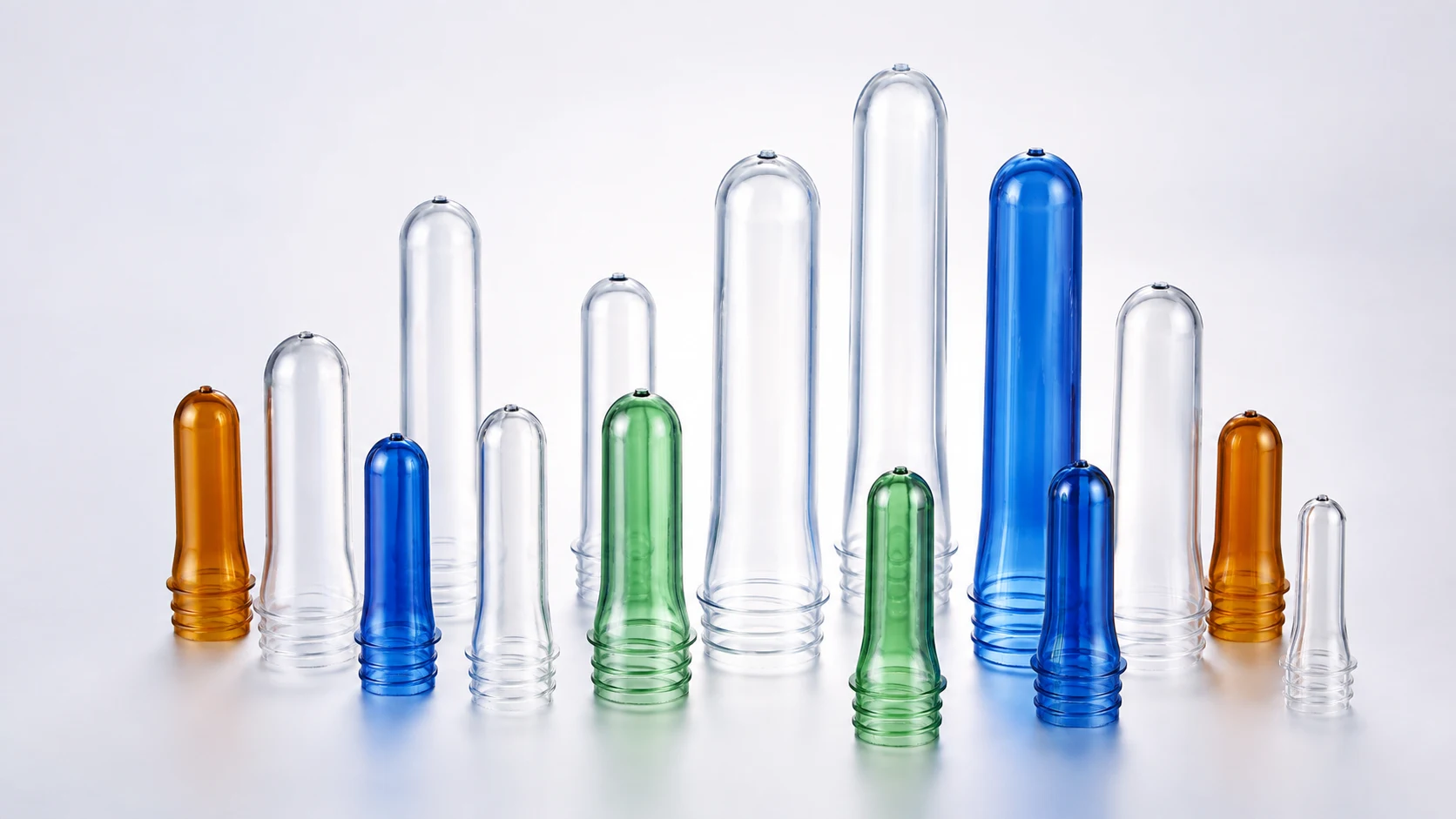
- Water
- Light preforms for still-water bottles.
- Carbonated drinks
- Preforms for pressure-bearing beverage bottles.
- Edible oil
- Heavier preforms for household and commercial oil packaging.
- Wide-mouth
- Wide-neck preforms for jars and food containers.
- Large format
- Long, heavy preforms for large-volume containers.
Turnkey PET preform line: from resin to packed preform
The line follows the resin from the bag to the packed preform. The HMD-PET machine and the preform mold are the core; each auxiliary is selected for your preform, output and plant, and listed in the proposal so the supply scope is clear.
- 01
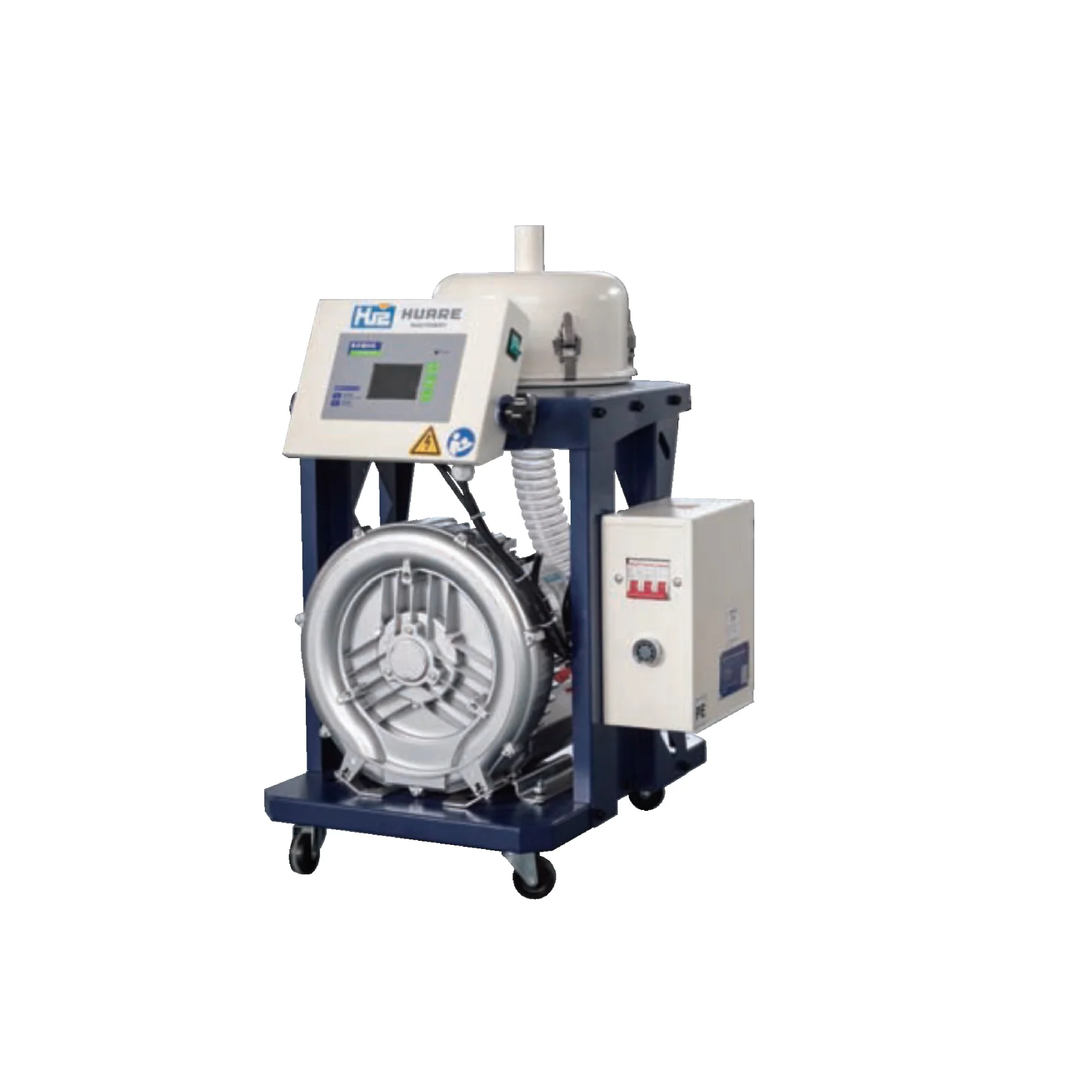 Resin drying and loadingOptional per project
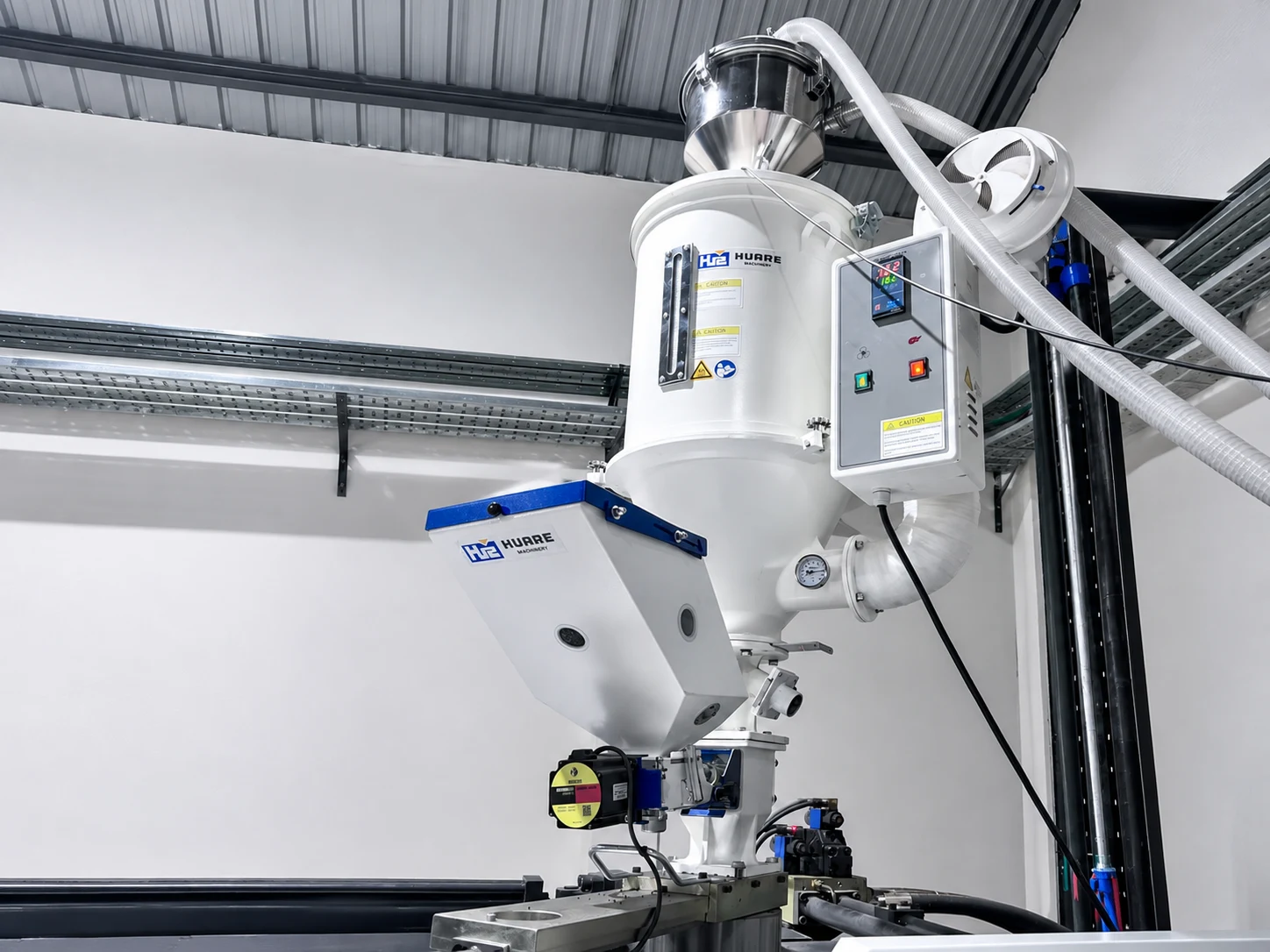
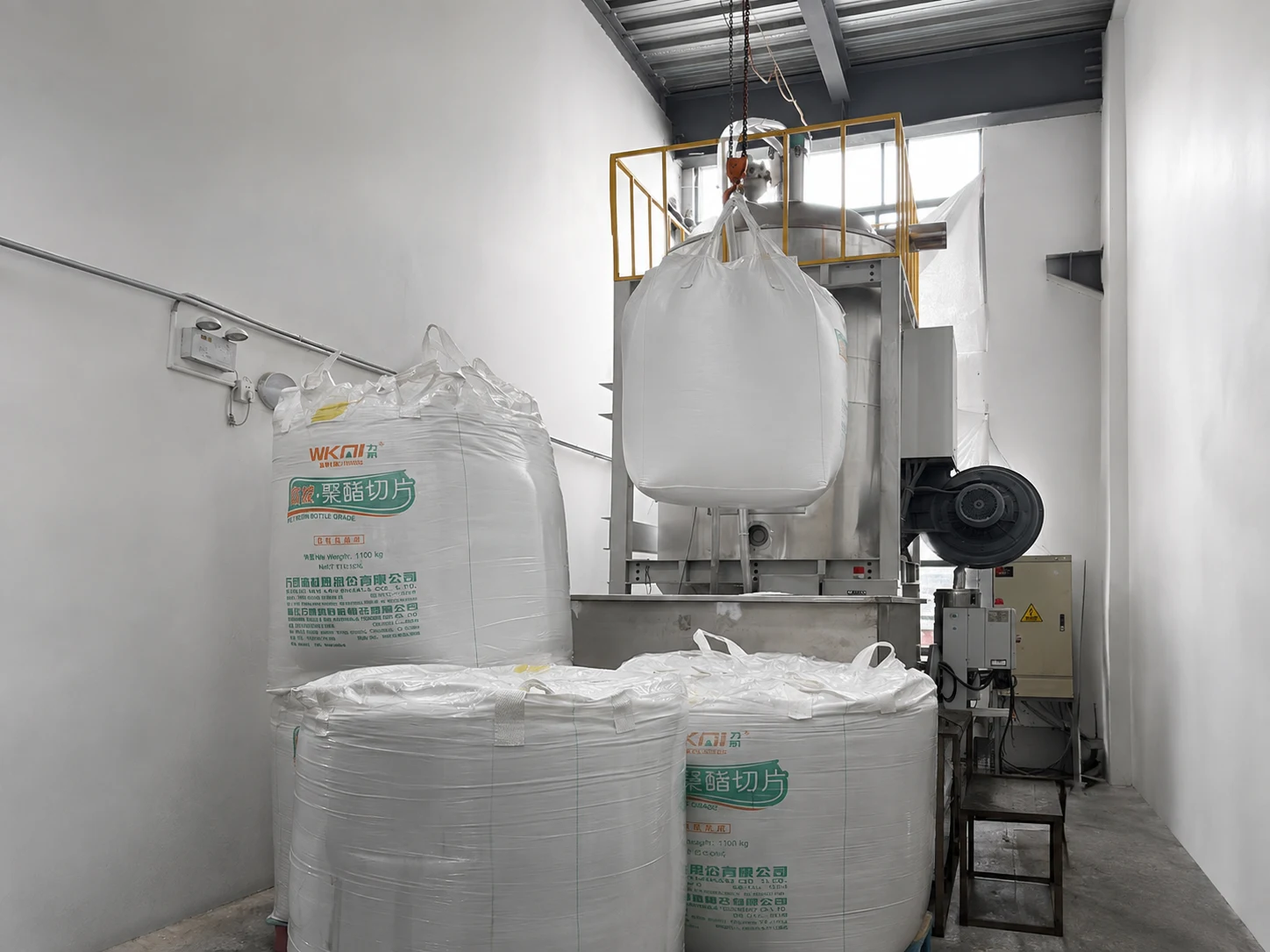
A dehumidifying dryer and vacuum loader prepare bottle-grade PET and feed it to the machine in a closed system.
- 02
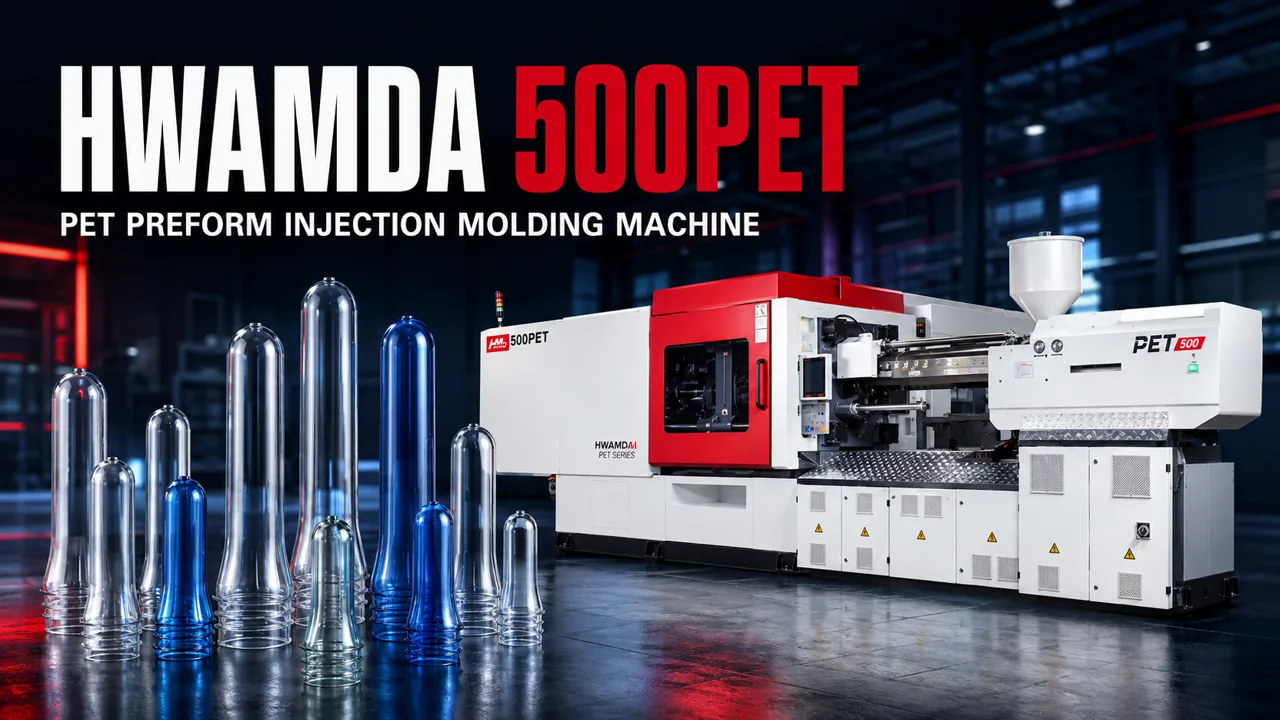
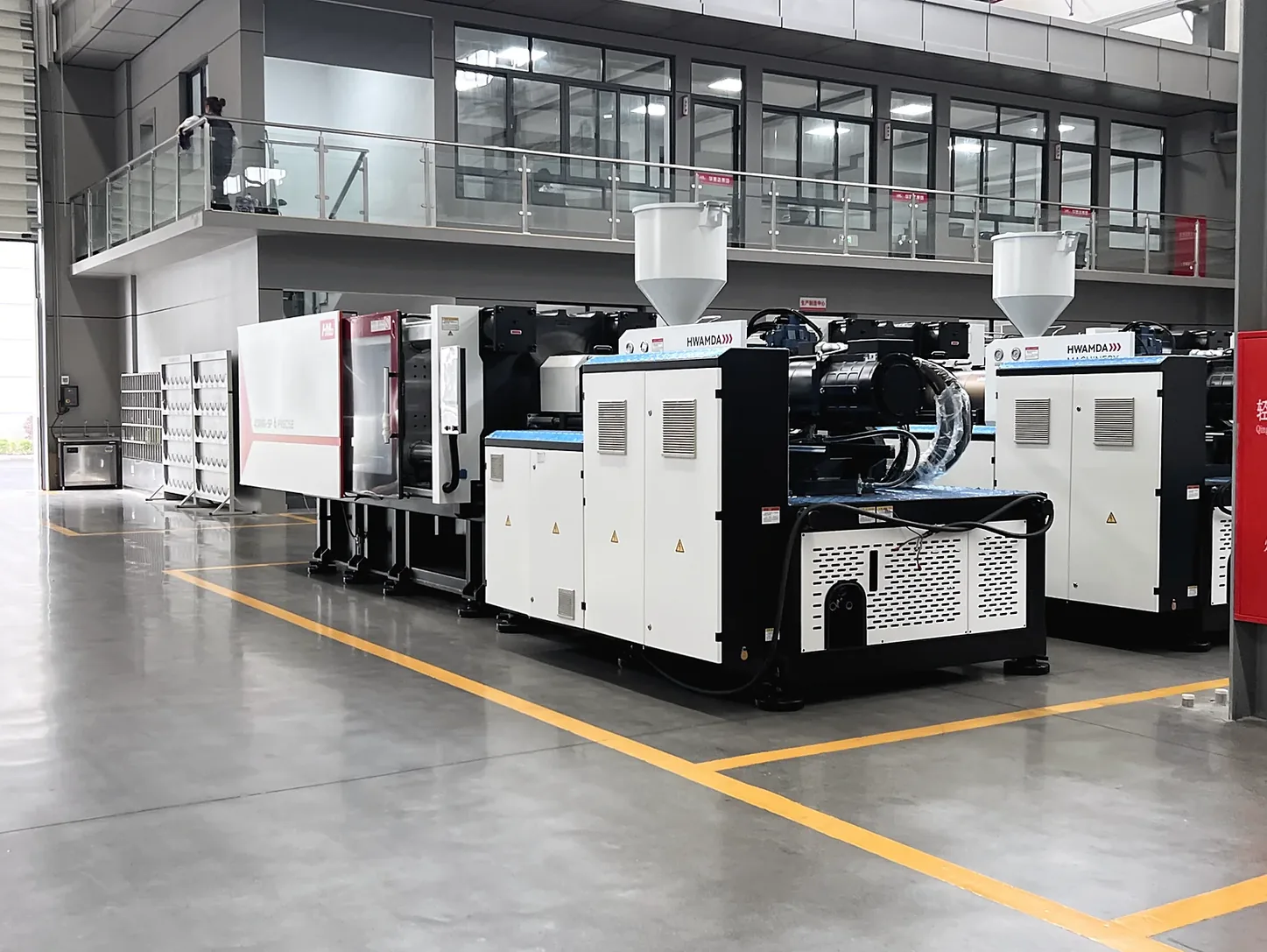
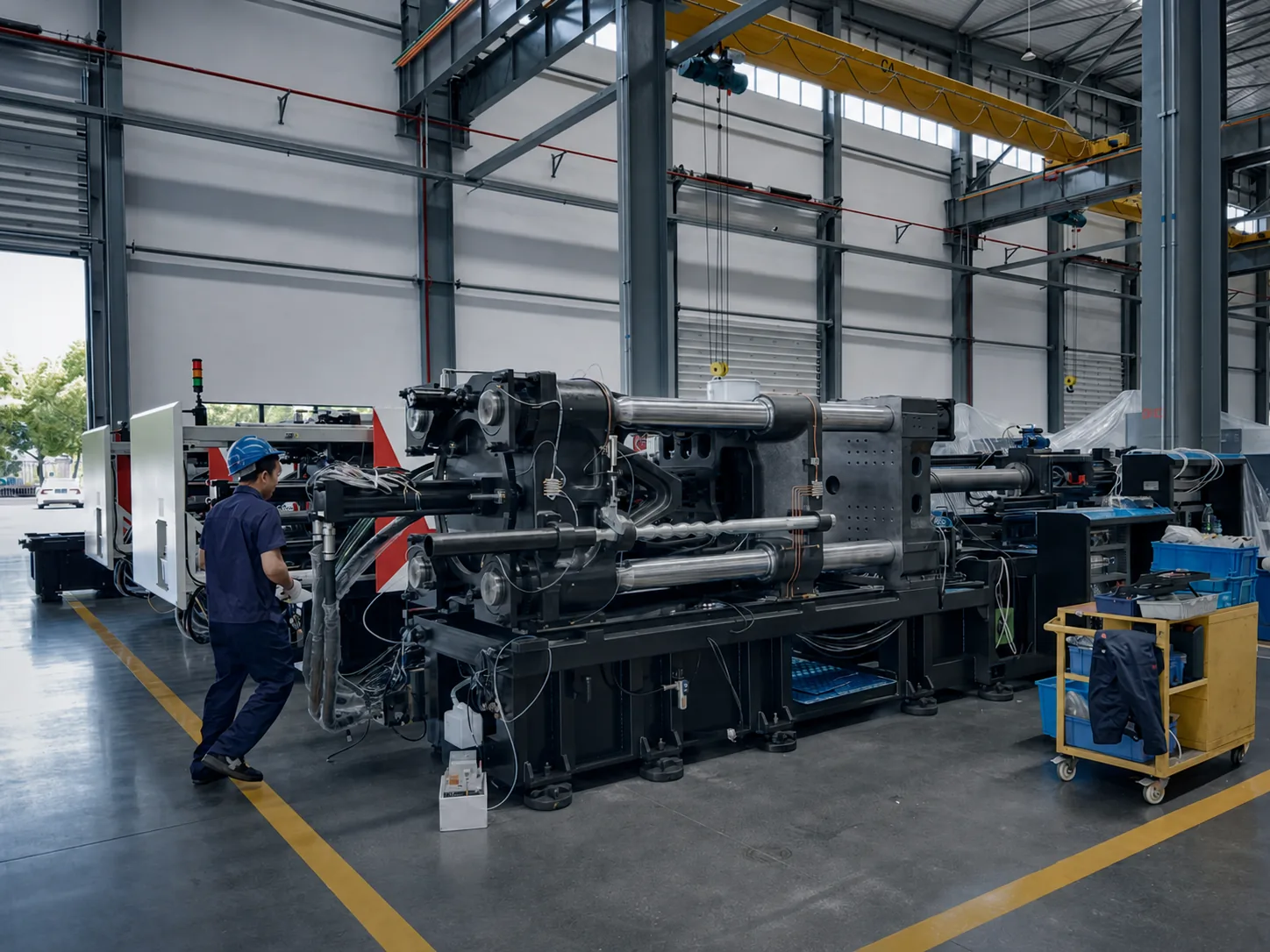
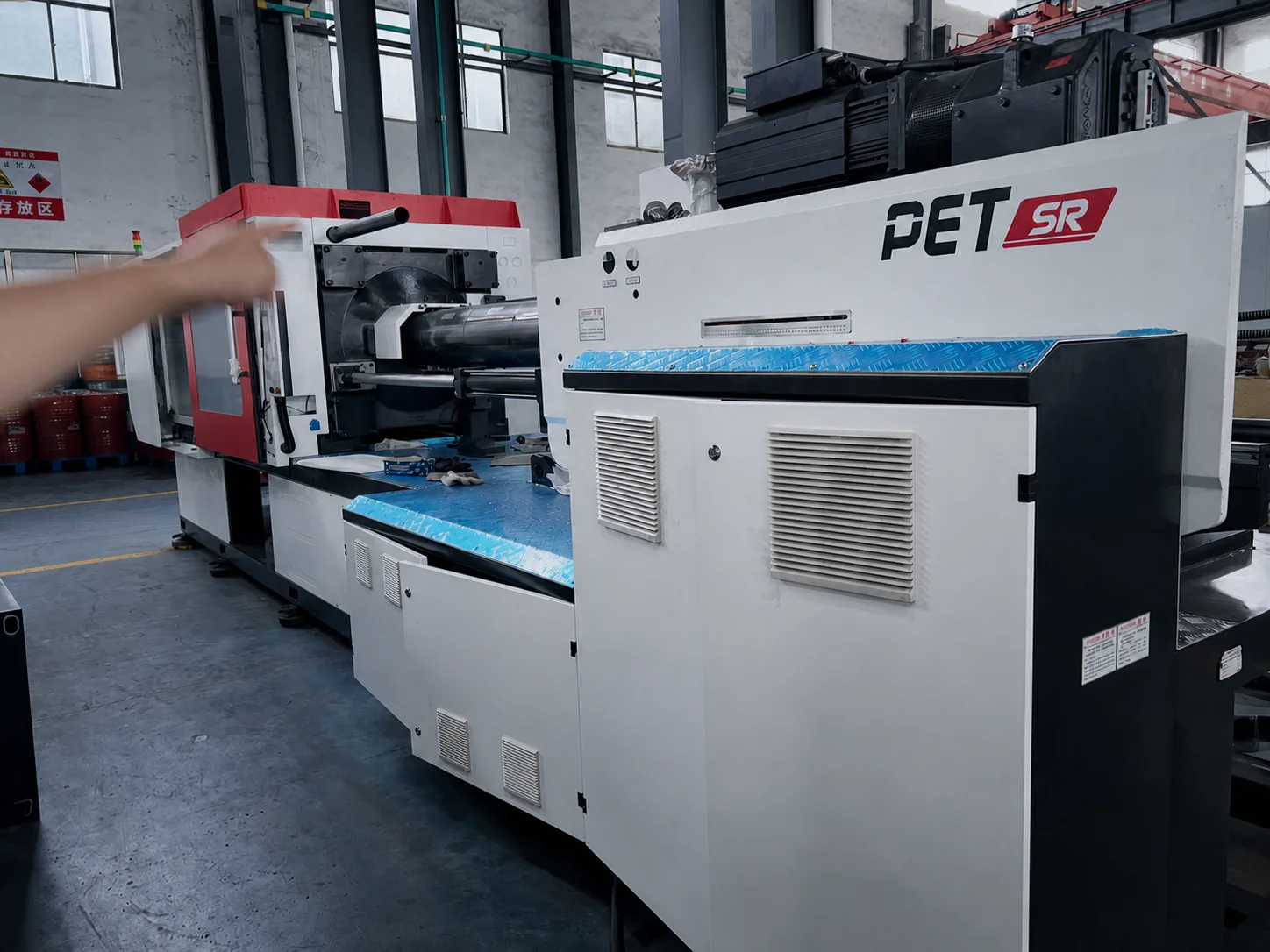 HMD-PET injection machineCore
Plasticizes the dried PET and fills every cavity. Models from 2,180 to 6,000 kN.
- 03
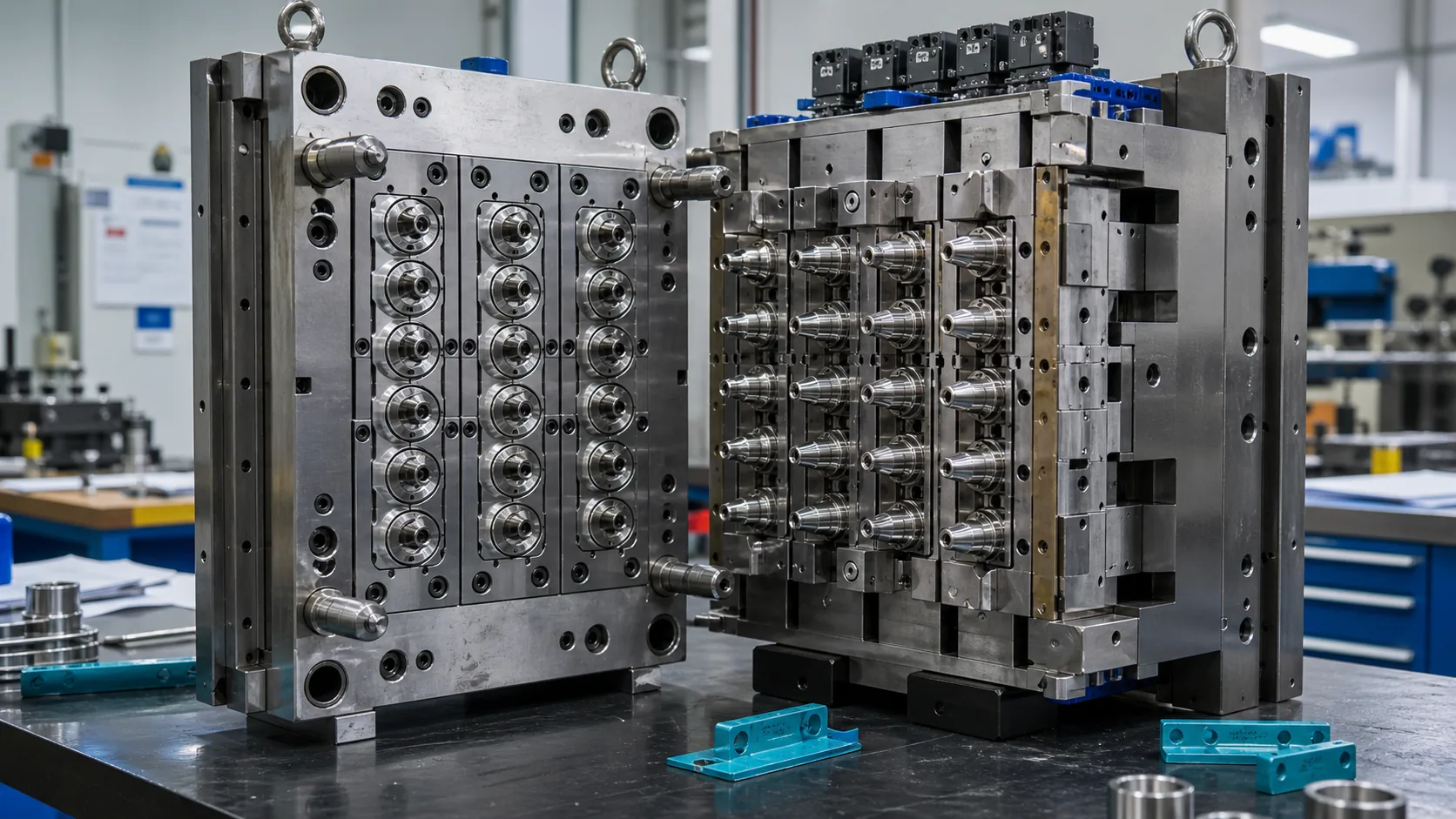
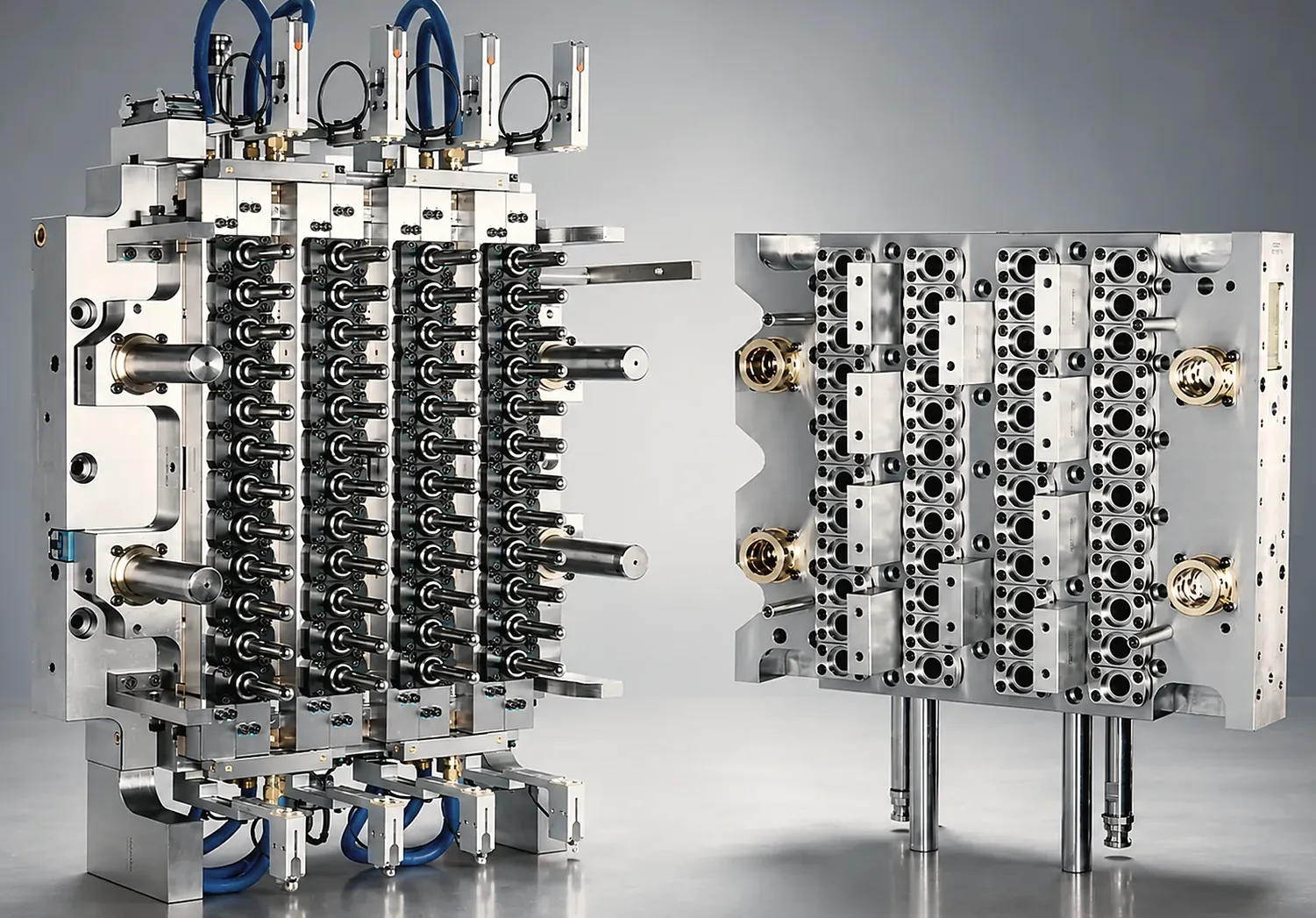 Preform mold with hot runnerCore
Multi-cavity mold with a valve-gate hot runner and a cooling circuit for each cavity.
- 04
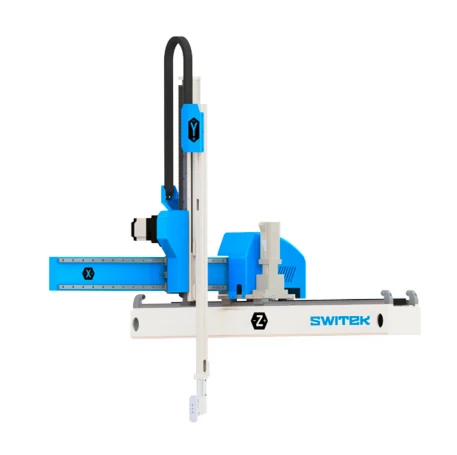 Take-out and post-mold coolingOptional per project
A robot removes the preforms and finishes cooling outside the mold, so the in-mold cooling time can be shorter.
- 05
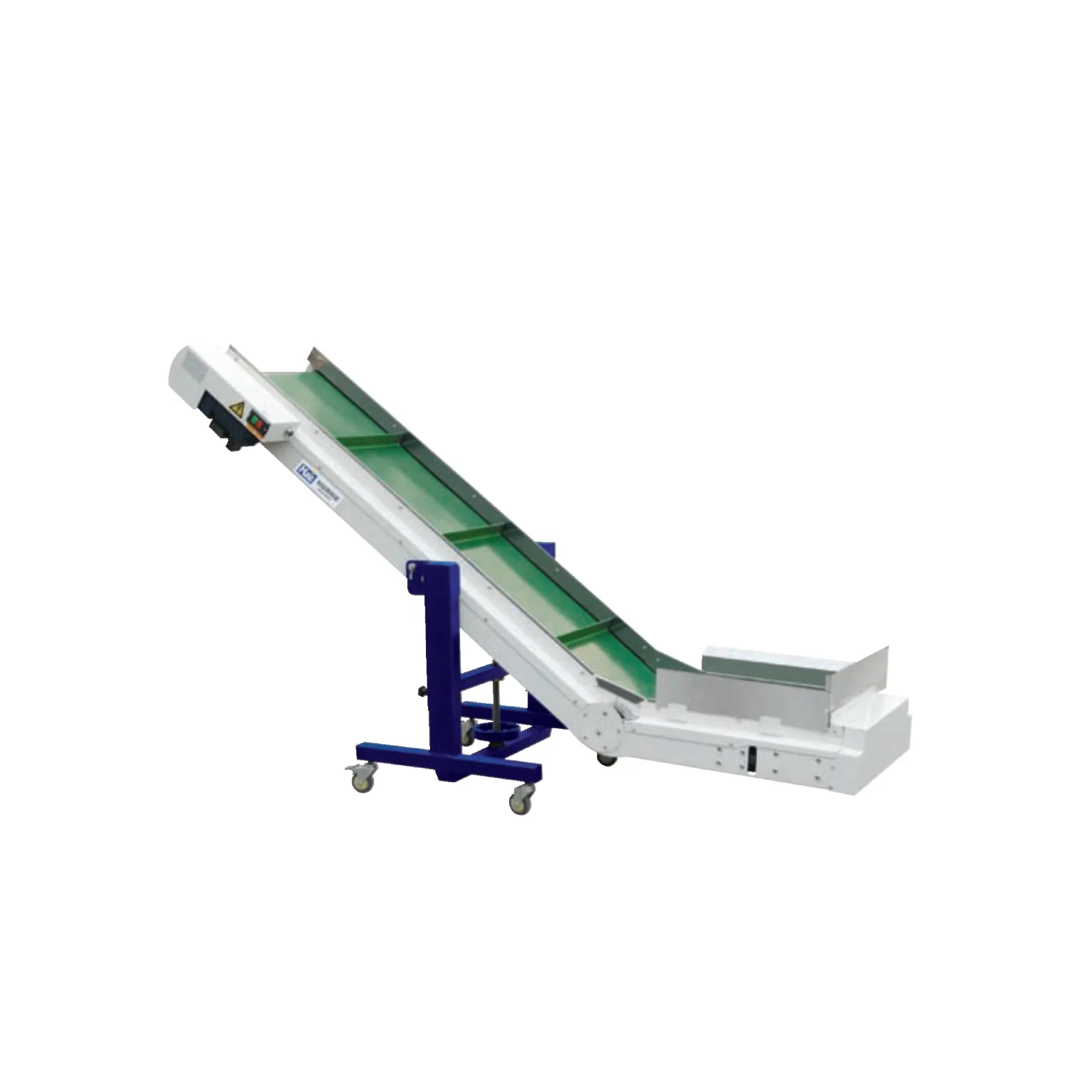 Conveying, inspection and packingOptional per project
Conveyors carry the preforms to inspection, counting and packing.
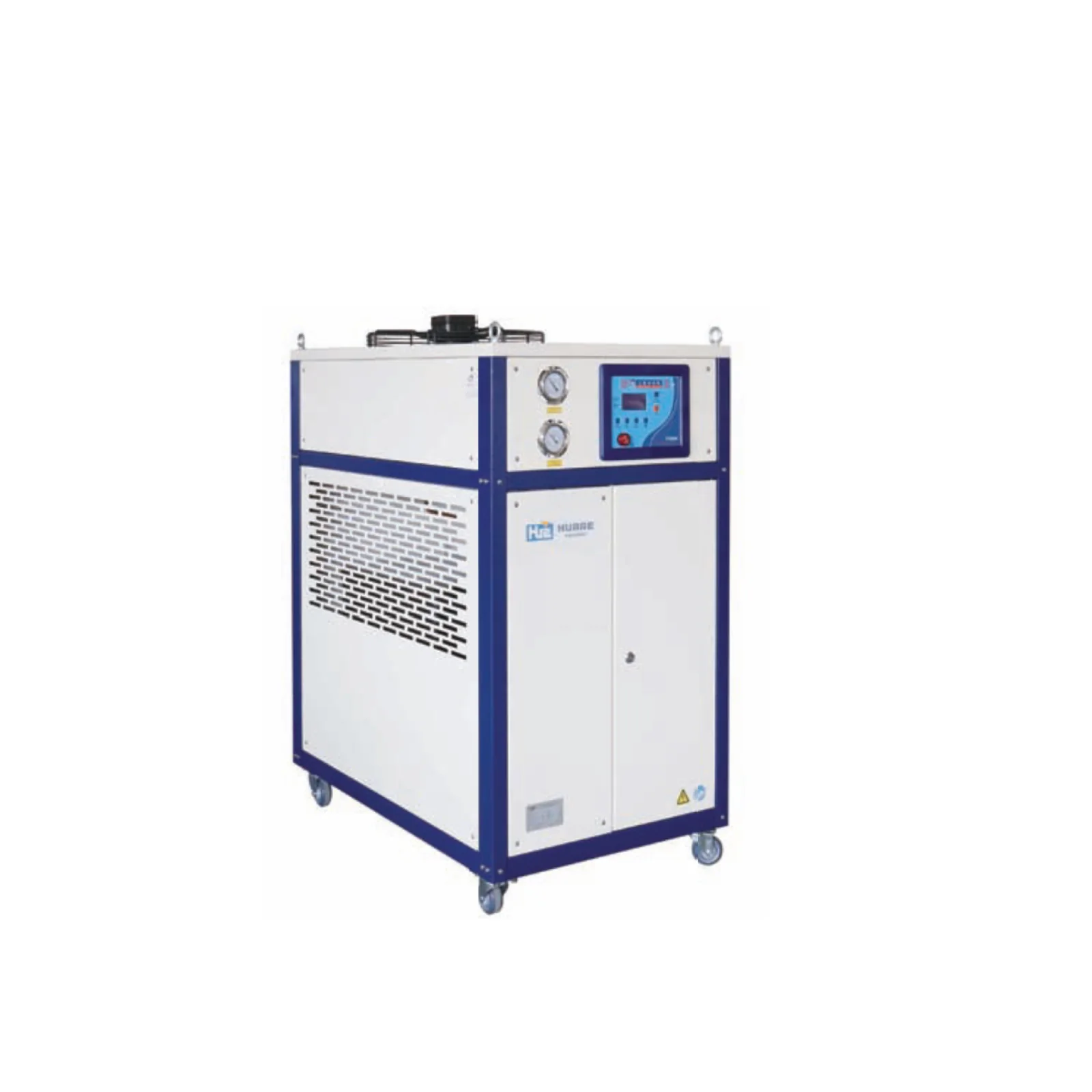 Mold chillerChilled water for the mold circuits.Optional per project
- Cooling towerCooling water for the machine’s hydraulic oil cooler.Optional per project
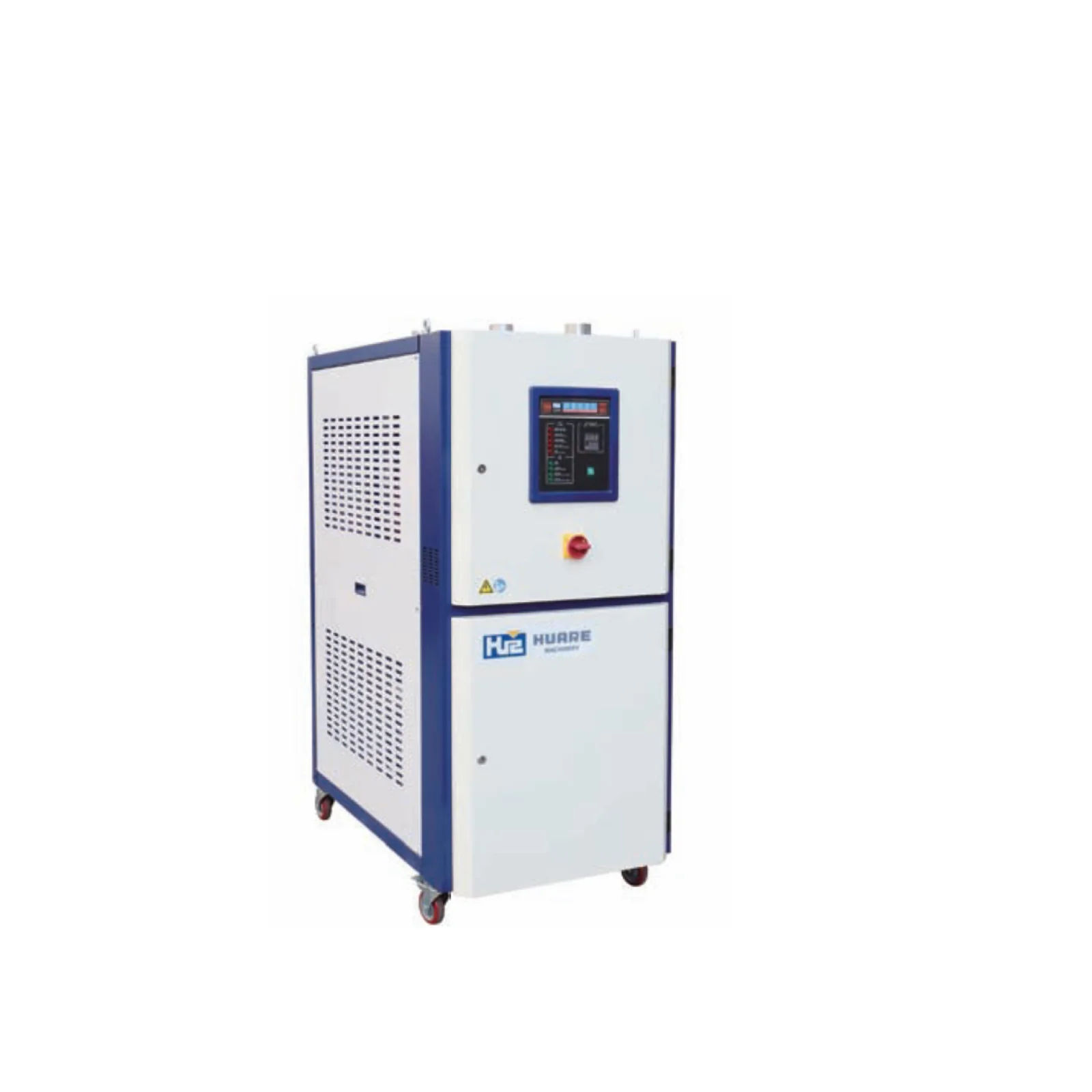 Mold dehumidifierDry air around the mold to prevent condensation in humid plants.Optional per project
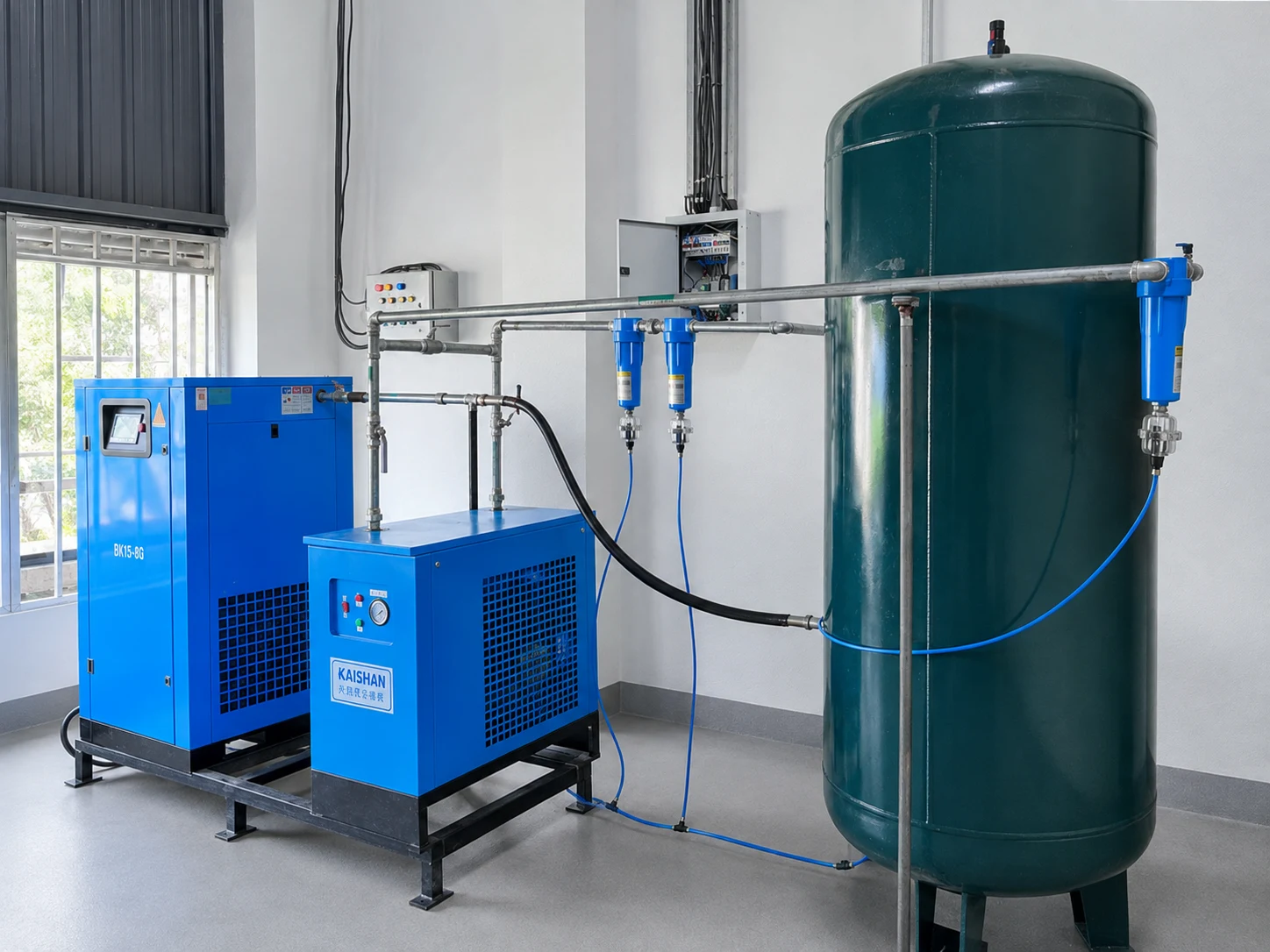 Compressed airClean, dry air for the valve gates, robot and post-mold cooling.Optional per project
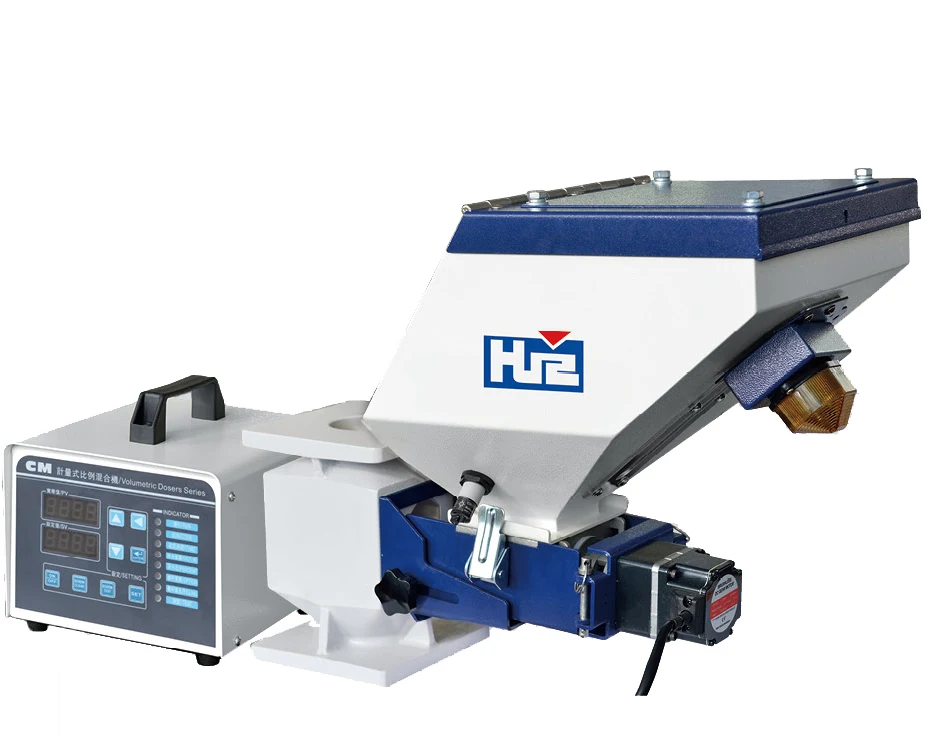 Masterbatch doserMeasured color dosing for colored preforms.Optional per project
Every auxiliary is optional and quoted per project. Equipment you already own can stay in the plan.
Output planning: preforms per hour and per day
Start from the daily output you need, then work back to cavities and cycle time:
Preforms per hour = cavities × 3,600 ÷ cycle time (s) × efficiency. Preforms per day = preforms per hour × 24.
Efficiency covers start-up, color and mold changes, maintenance and rejects. The example below assumes 85%. This is a planning assumption, not a measured value: replace it with your own figure.
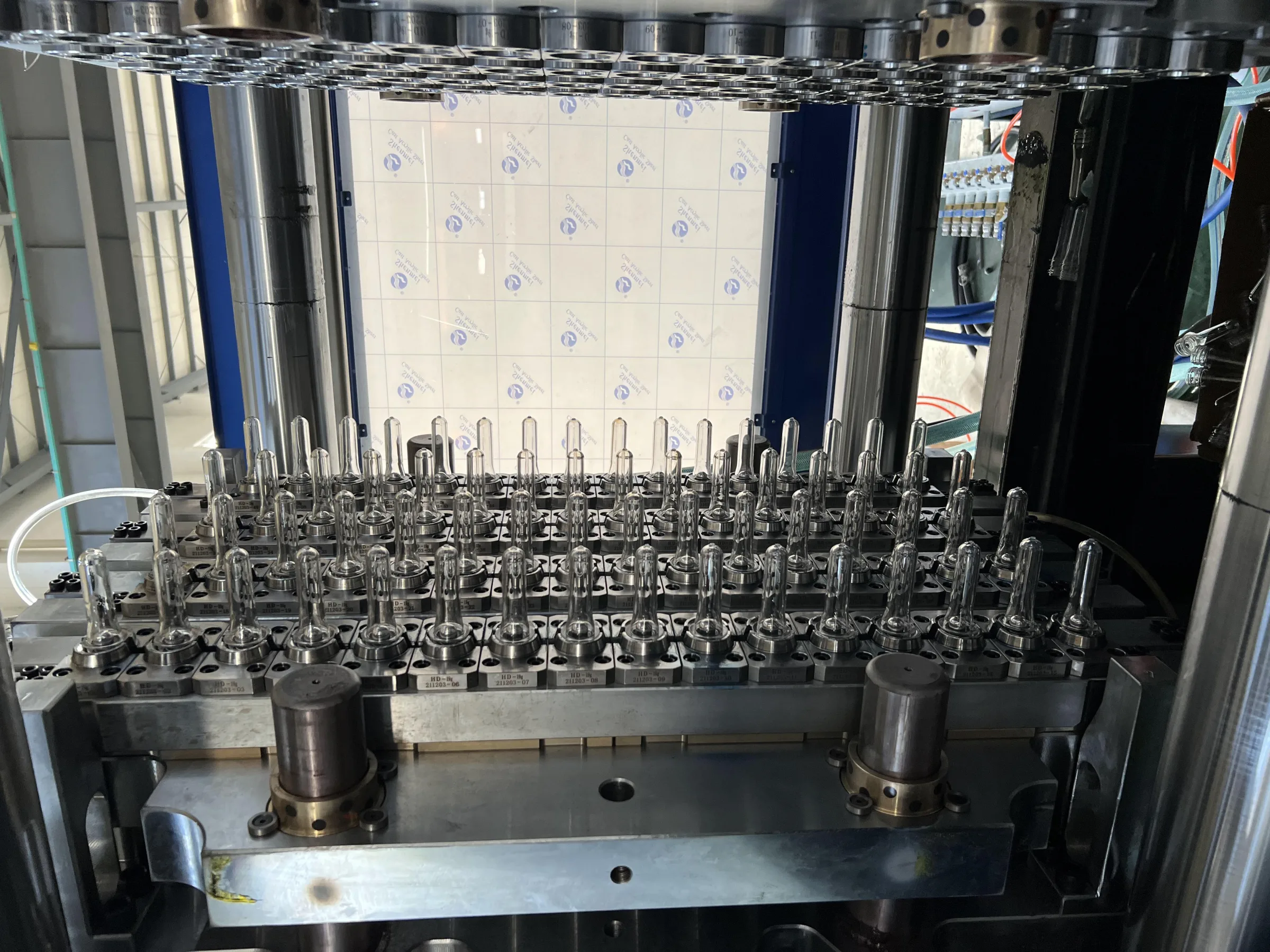
- Reference setup
- HMD430PET with a 72-cavity mold for 16.5 g preforms, 9.9 s cycle, recorded in a customer mold trial before shipment.
- Per hour at 100%
- 72 × 3,600 ÷ 9.9 ≈ 26,180 preforms
- Per hour at 85% (assumed)
- 26,180 × 0.85 ≈ 22,250 preforms
- Resin use
- 22,250 × 16.5 g ÷ 1,000 ≈ 367 kg of PET per hour
Your cycle depends on the preform design, wall thickness, mold cooling and take-out. The proposal states the cycle and output for your preform.
Typical line configurations by preform
These HMD-PET setups were recorded in customer mold trials before shipment. Use them as starting points: the model and cavity count are confirmed for your preform and output. HWAMDA PET machines have been delivered to customers in Kenya, Kazakhstan, Nigeria, Brazil and more.
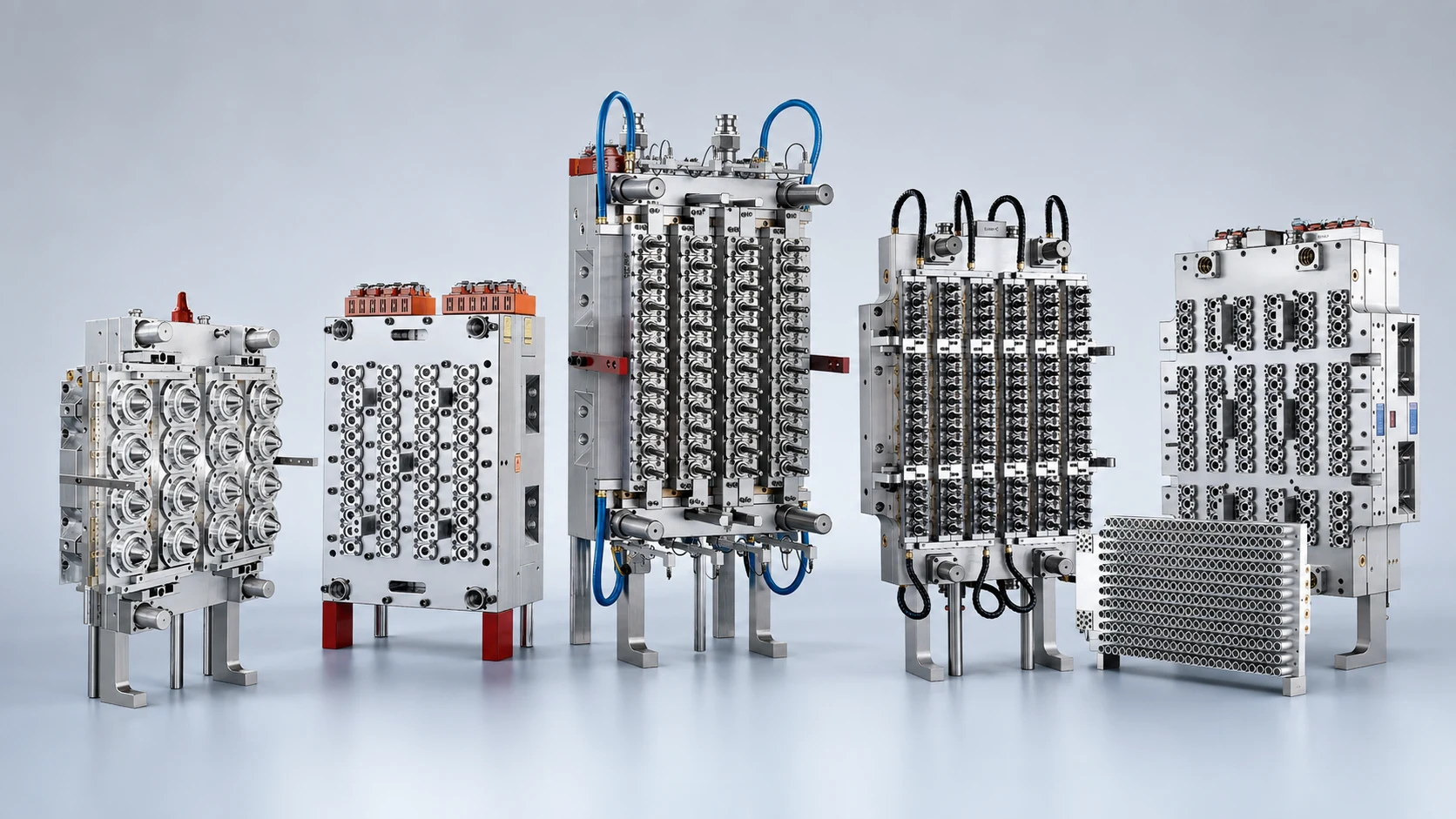
| Preform | Weight | Cavities | HMD-PET model | Recorded cycle |
|---|---|---|---|---|
| Bottle preform | 10 g | 32 | HMD268PET | 7.6 s, post-mold cooling robot |
| Bottle preform | 13–13.5 g | 72 | HMD320PET | 12.7–12.9 s |
| Bottle preform | 15.2 g | 48 | HMD320PET | 8.8 s |
| Water bottle preform | 12 g | 72 | HMD430PET | 8.7 s |
| Bottle preform | 16.5 g | 72 | HMD430PET | 9.9 s |
| Bottle preform | 13 g | 96 | HMD500PET | 13 s |
| Bottle preform | 15.2 g | 96 | HMD500PET | 8.8 s, post-mold cooling robot |
| Preform, 38 mm neck | 32 g | 48 | HMD320PET | 19 s |
| Wide-mouth preform | 37 g | 24 | HMD430PET | 16.9 s |
| Edible-oil preform | 65 g | 72 | HMD500PET | 27 s |
| Edible-oil preform | 85 g | 24 | HMD320PET | 19 s |
| Edible-oil preform | 135 g | 12 | HMD320PET | 41 s |
Carbonated-drink and large-format preforms are configured from your preform drawing and target output.
Drying and chilled-water planning
Drying and cooling are sized from your resin and planned output. The method below gives a first estimate; final sizing is part of the proposal.
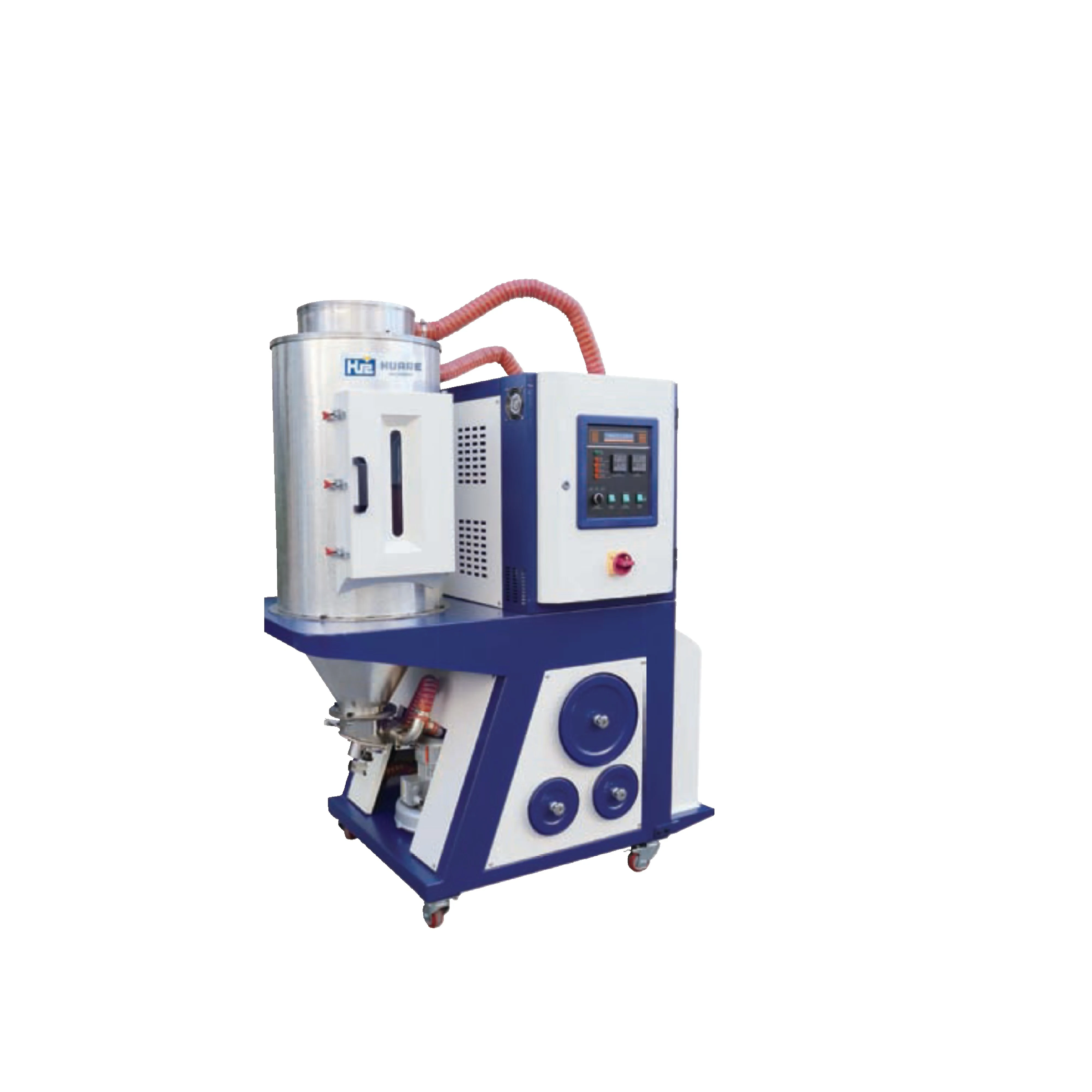
- Resin consumption
- kg/h = preform weight (g) × preforms per hour ÷ 1,000, plus about 5% for start-up and rejects. In the example above: 367 × 1.05 ≈ 386 kg/h.
- Drying hopper
- Sized to hold 4–6 hours of resin: hopper capacity ≈ resin consumption per hour × 4–6 h. At 386 kg/h: 386 × 4–6 ≈ 1,550–2,300 kg.
- Dry air
- A dehumidifying dryer with a dew point of −40 °C or lower.
- Loading
- Conveying capacity above the resin consumption, so the hopper always stays full.
- Separate water circuits
- Chilled water for the mold and cooling water for the machine’s oil cooler run as separate circuits, with clean, filtered water.
- Chiller capacity
- Sized from the cavity count, preform weight and cycle, and stated in the proposal.
Site requirements checklist
Prepare the site while the equipment is built. The values for your line are confirmed in the proposal and the layout drawing.
- Power supply
- Standard 380 V / 3-phase / 50 Hz. Other voltages and frequencies on request.
- Chilled water
- A dedicated chilled-water circuit for the mold.
- Cooling water
- A separate cooling-water circuit, usually from a cooling tower, for the machine’s oil cooler.
- Compressed air
- Clean, dry compressed air for the valve gates, robot and post-mold cooling.
- Floor space and layout
- Zones in material-flow order: resin storage and drying, molding, post-mold cooling, inspection and packing, and a utilities area.
- Crane
- A crane over the mold area, rated for the mold weight shown on the mold drawing.
- Ceiling height
- As a guide, more than 6.5 m, to leave room for the dryer hopper above the machine and for lifting the mold.
- Clearances
- Free space on the operator side, the non-operator side and behind the machine for operation, mold changes and maintenance.
Quality checks and line acceptance
The machine and mold run together in a combined trial before shipment. Acceptance criteria are agreed in advance, and the trial preforms are checked against them.
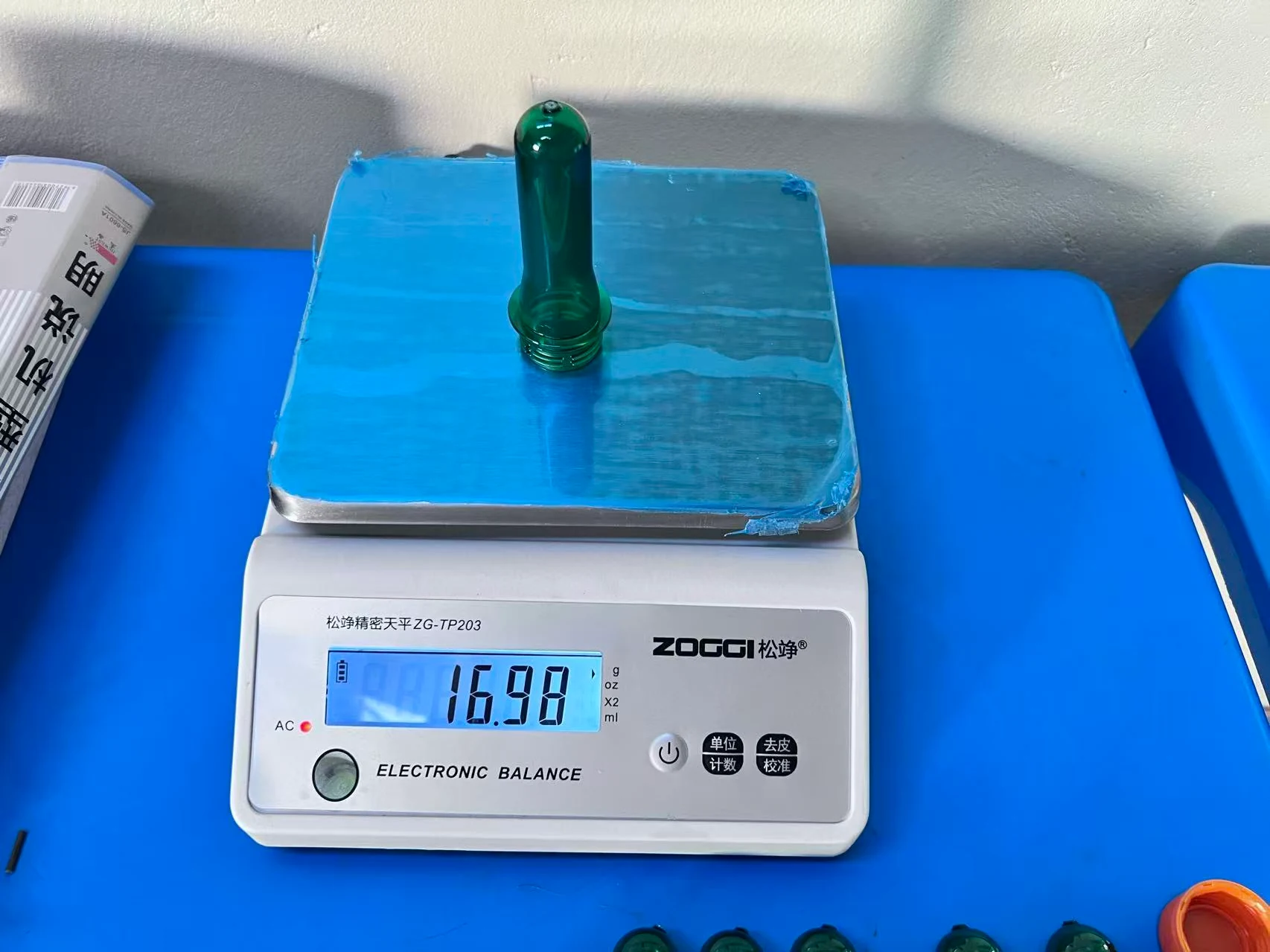
- Preform weight
- Preforms from every cavity weighed against the target weight and tolerance.
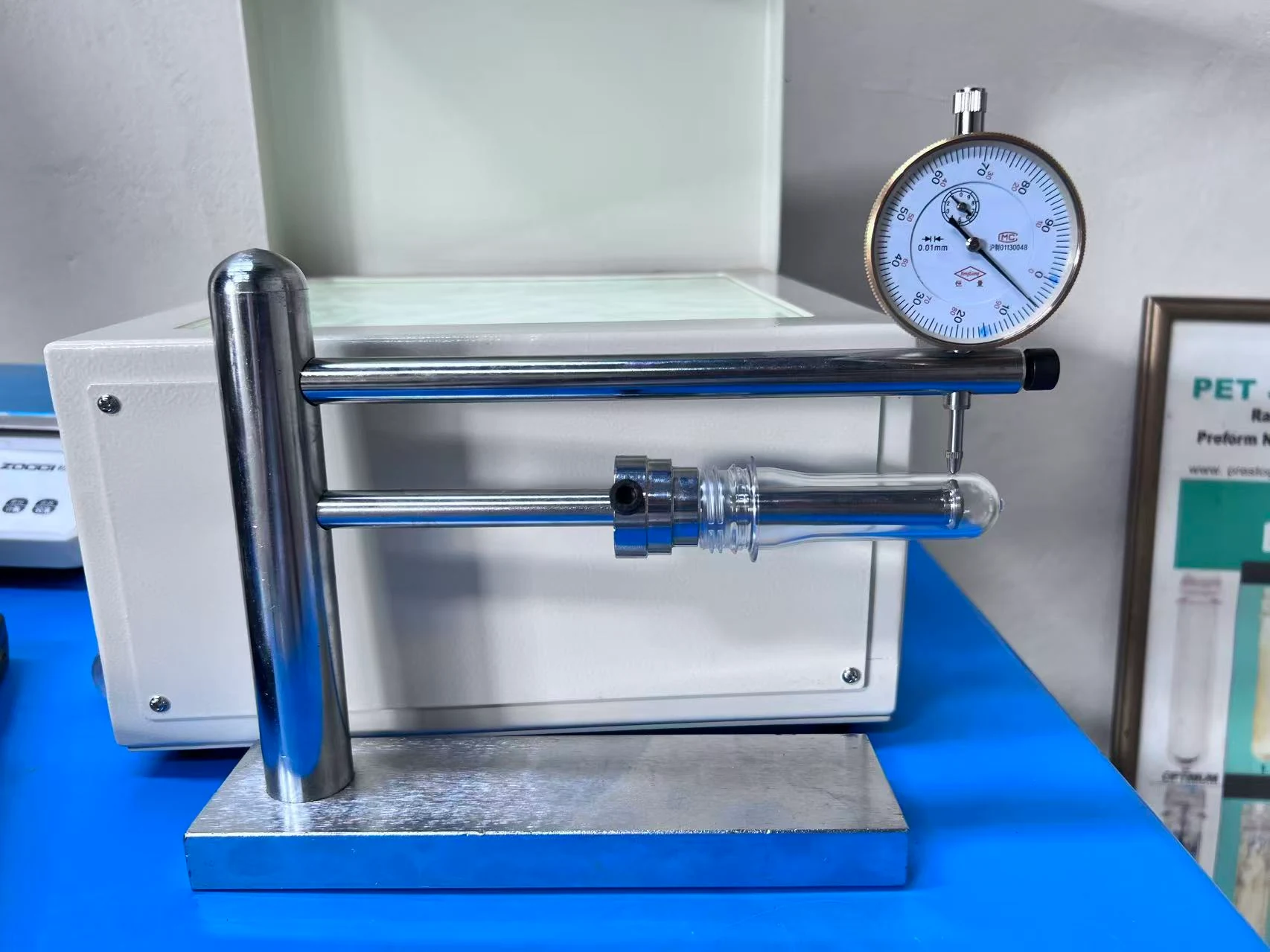
- Dimensions
- Length and critical dimensions from the approved preform drawing.
- Neck finish
- Neck dimensions checked for the closure you use.
- Wall thickness and concentricity
- Even wall thickness around the preform.
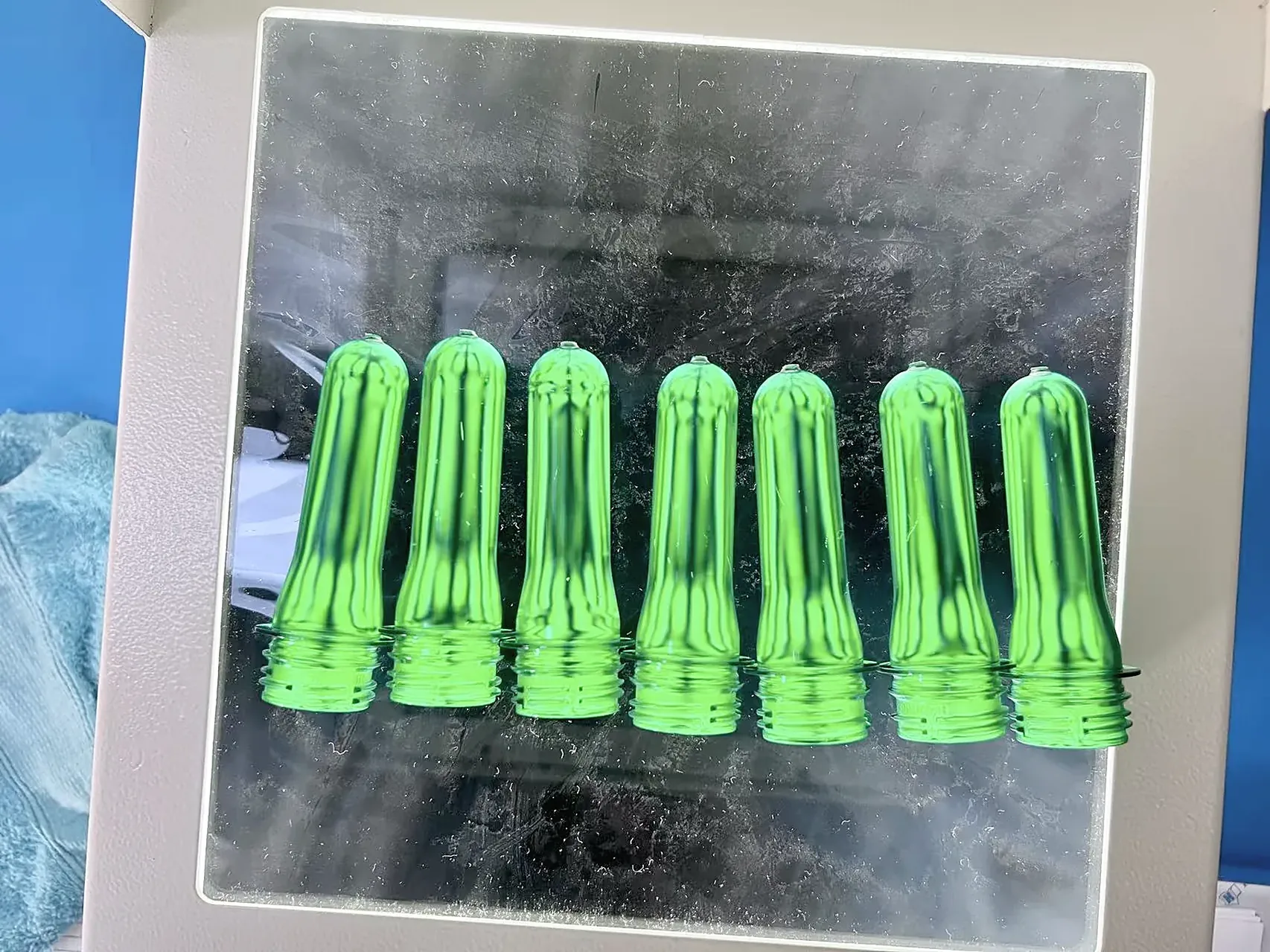
- Polarized light
- Preforms inspected under polarized light.
- Trial record
- Cycle and process settings recorded with the trial samples.
Project flow and lead times
Each stage is dated in the proposal for your line.
- 1. Proposal
- Preform, output and site data are reviewed, and the line configuration is proposed.
- 2. Order and drawing approval
- The machine configuration, preform drawing and mold drawing are approved.
- 3. Machine build
- Machine lead time: 60 working days.
- 4. Mold build
- Mold lead time: 60 working days.
- 5. Combined trial
- Machine and mold run together against the agreed acceptance criteria.
- 6. Shipment
- The equipment ships FOB Ningbo; transit time depends on your destination.
- 7. Installation and training
- Optional, quoted per project.
What a PET preform plant investment includes
A PET preform plant is quoted item by item, so you can compare the supply scope. Every line is quoted for your project, FOB Ningbo.
- HMD-PET injection machine
- Model and injection unit sized to the shot weight and output.
- Preform mold and hot runner
- Cavity count, neck finish and mold level.
- Resin drying and loading
- Dryer, hopper and loader sized to the resin consumption.
- Chiller and cooling
- Mold chiller, cooling tower and mold dehumidifier.
- Compressed air
- Compressor, air dryer, filters and receiver.
- Take-out and post-mold cooling
- Robot sized to the cavity count and cycle.
- Conveying and packing
- Conveyors, inspection and packing.
- Installation and training
- Optional, quoted per project.
- Freight
- Freight and insurance from Ningbo to your destination.
The running cost per preform depends mainly on resin and preform weight, cycle time and cavity count, energy, labor and uptime.
What to send for a PET line proposal
Send what you have. Missing values are completed during the review.
- Neck finish
- Finish name or closure drawing.
- Preform weight
- Target weight and tolerance.
- Preform drawing or sample
- Drawing, sample or clear photos.
- Target output
- Preforms per hour or per day, and the number of shifts.
- Resin and color
- PET grade, colors and any recycled content.
- Power supply
- Voltage and frequency at your plant.
- Utilities
- Available cooling water and compressed air.
- Crane and building
- Crane capacity, ceiling height and floor space.
FAQ
Frequently asked questions
What equipment does a PET preform production line need, and what is optional?
The core is an HMD-PET injection machine and a multi-cavity preform mold with a valve-gate hot runner. Resin drying and loading, mold chiller, cooling tower, mold dehumidifier, compressed air, masterbatch doser, take-out robot with post-mold cooling, conveying, inspection and packing are optional and quoted per project.
How many preforms can one line make per hour or per day?
Preforms per hour = cavities × 3,600 ÷ cycle time in seconds × efficiency; per day, multiply by 24. For example, an HMD430PET with 72 cavities of 16.5 g at 9.9 s gives about 26,180 preforms per hour at 100%, or about 22,250 per hour at an assumed 85% efficiency.
Which machine size and cavity count do I need for my daily output?
Divide the daily target by 24 and by your efficiency to get preforms per hour, then cavities ≈ preforms per hour × cycle time ÷ 3,600. Check cavities × preform weight against the PET shot weight of each HMD-PET model. The configuration table shows setups recorded in customer mold trials.
How much space, power, water and air does the line need?
It depends on the selected configuration. The standard supply is 380 V / 3-phase / 50 Hz, with other voltages on request. The line needs separate chilled-water and cooling-water circuits, clean compressed air, a crane over the mold area and, as a guide, a ceiling height above 6.5 m. Values for your line are stated in the proposal and the layout drawing.
What drying does PET need?
PET is dried in a dehumidifying dryer to the resin supplier’s data, typically 4–6 h, with a dew point of −40 °C or lower. The dryer hopper is sized to hold 4–6 hours of resin consumption. The PET injection molding guide explains the drying requirements.
Can one line make several preform weights or neck finishes?
Each neck finish needs its own neck rings and matching cores, so a different neck or preform design needs its own mold or stack set. One HMD-PET machine can run several molds when each fits its shot weight, tie-bar spacing and mold thickness. List all the preforms you plan, so the machine is sized for the largest.
Can the line run colored preforms or rPET?
Colored preforms use an optional masterbatch doser at the machine. For recycled PET, send the resin data and the share you plan to use; it is evaluated for your project.
How long from order to production?
Machine lead time is 60 working days and mold lead time is 60 working days. The combined machine and mold trial follows, then shipment FOB Ningbo. Transit time depends on your destination; installation and training are optional.
How are the line and the preforms tested before shipment?
The machine and mold run together in a combined trial before shipment. Preform weight, dimensions, neck finish, wall thickness and concentricity are checked, and preforms are inspected under polarized light, against acceptance criteria agreed in advance.
Are installation and training available?
Yes. Installation, commissioning and operator training are optional and quoted per project.
What does a PET preform production line cost?
The price depends on the machine model, cavity count and mold level, the auxiliaries you select, installation and training, and freight. Every line is quoted for your project, FOB Ningbo, with each item listed. Send your preform and daily output for a proposal.