 HWAMDA
Lids
Light closures whose fit and mold balance matter.
FOOD CONTAINER PRODUCTION
Configure the machine, mold interface, cycle target, IML option and automation around the food container you need to manufacture.
Round and rectangular containers · takeaway packaging · cups · lids
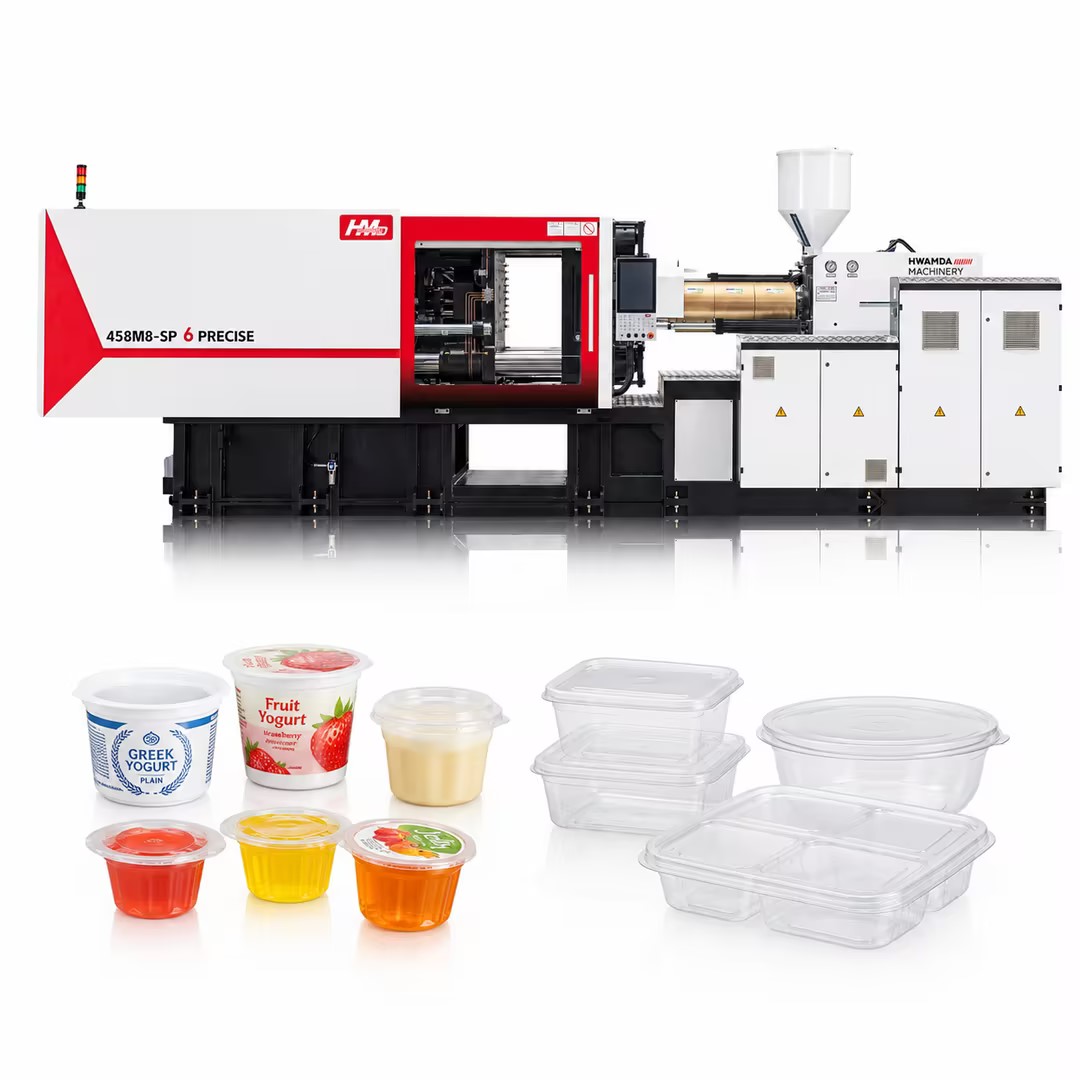
PRODUCT FIT
Start from a real sample or drawing. Injection molding can be reviewed for reusable or thin-wall packaging when the geometry, resin, mold and production target are defined together.
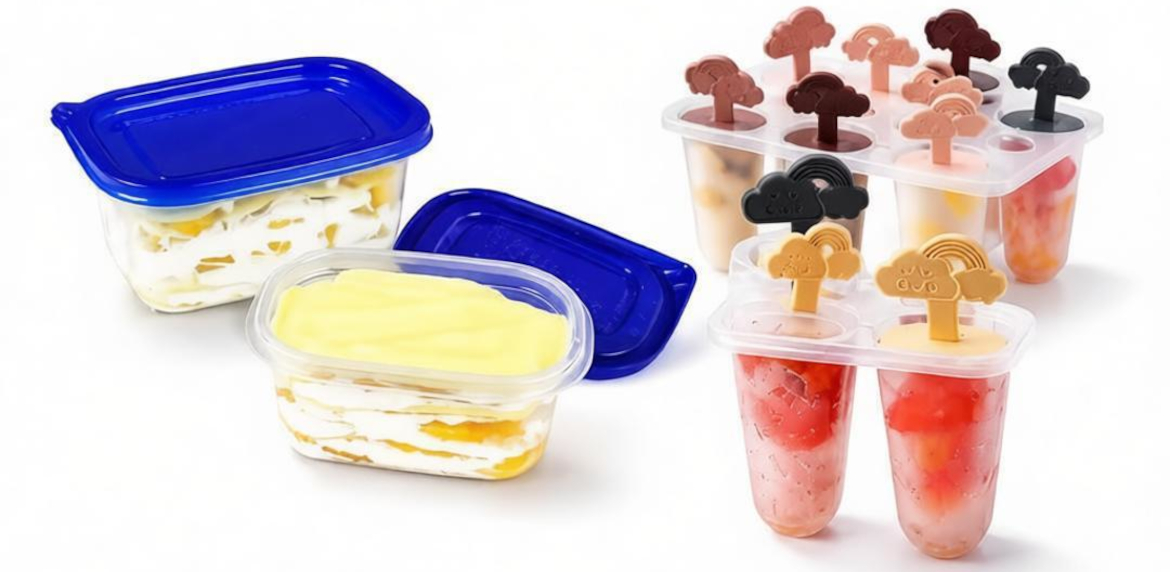
Food storage and takeaway formats with fitted lids.
Tubs, bowls and related packaging formats.
Cup and portion-pack projects with defined stacking needs.
Light closures whose fit and mold balance matter.
Application-specific container and lid combinations.
Projects where flow length, wall section and cooling require close validation.
PRODUCT REQUIREMENTS
The container specification controls shot requirement, filling behavior, mold envelope, take-out and the realistic production target.
Overall length, width, height and critical fit features.
Net molded-part weight, excluding unsupported estimates.
Nominal and critical thin sections from the drawing.
Ribs, hinges, lid fit, stacking and ejection details.
Confirmed resin grade and supplier processing window.
A drawing is best. A clear sample photo with dimensions is enough to start.
MACHINE SELECTION
HWAMDA reviews the part, cavities, projected area, shot requirement, mold size and cycle sequence before recommending the SP6 configuration.
01Projected area
02Total shot requirement
03Mold dimensions
04Opening and ejector stroke
05Cycle and automation sequence
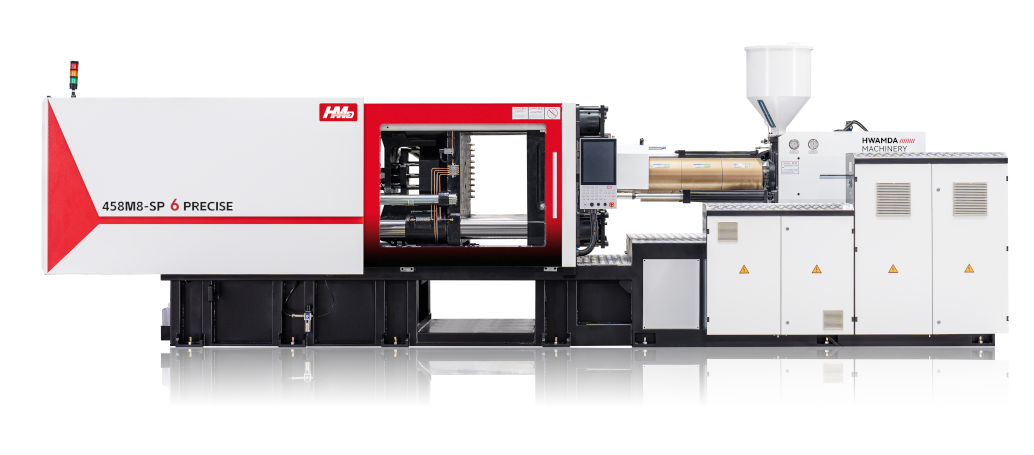
Recommended clamping unit, injection unit and project configuration
MOLD & CAVITY CONFIGURATION
Cavity count cannot be selected from output alone. Filling, cooling, platen fit, take-out and label handling must work together.
Balance target output against shot size, mold envelope and cycle.
Review flow length and the critical thin areas of the part.
Confirm runner, gate and cavity consistency with the mold partner.
Coordinate mold cooling circuits with the chiller and cycle target.
Check tie-bar spacing, platen fit, thickness and weight.
Verify injection, clamp, ejector and control interfaces.
Reserve label placement, robot access and take-out clearance.
HWAMDA can coordinate machine–mold interface data and production trials around the confirmed production requirements.
Need the mold only? Review Thin-Wall Food Container Mold SolutionsCYCLE & OUTPUT
A responsible production target comes from the real part, mold, cooling and handling sequence—not from a generic cycle-time promise.
Theoretical output = mold cavities × 3,600 ÷ confirmed cycle seconds. Final planning should allow for quality checks and normal production stops.
Read the Thin-Wall Injection Molding GuideIN-MOLD LABELING OPTION
IML may combine decoration and molding in one cycle, but it adds label, robot, mold and process requirements that must be confirmed early.
Label material and shape
Placement accuracy and static control
Mold and robot access
Stacking and downstream handling
ROBOT & AUTOMATION
The automation scope follows the part and process. It can be reviewed from simple take-out through a coordinated IML and stacking cell.
Remove parts consistently without extending the target sequence.
Feed and place labels when IML is selected.
Organize containers or lids for stable transfer.
Connect counting, inspection or packing when required.
COOLING & AUXILIARIES
Auxiliaries are selected from resin, mold cooling, cycle and plant conditions. They are not a fixed bundle for every food-container project.
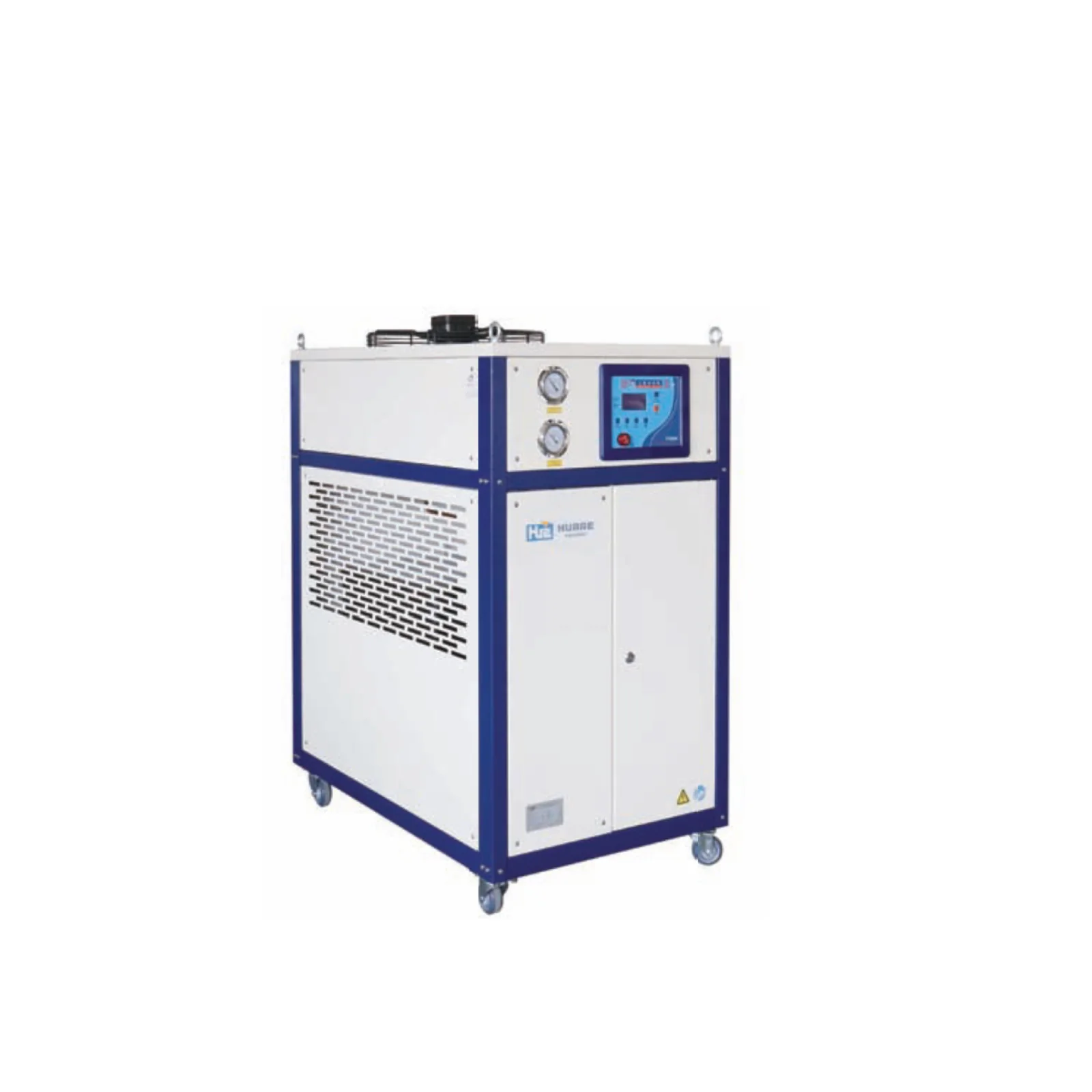
Supports the mold cooling duty defined by the project.
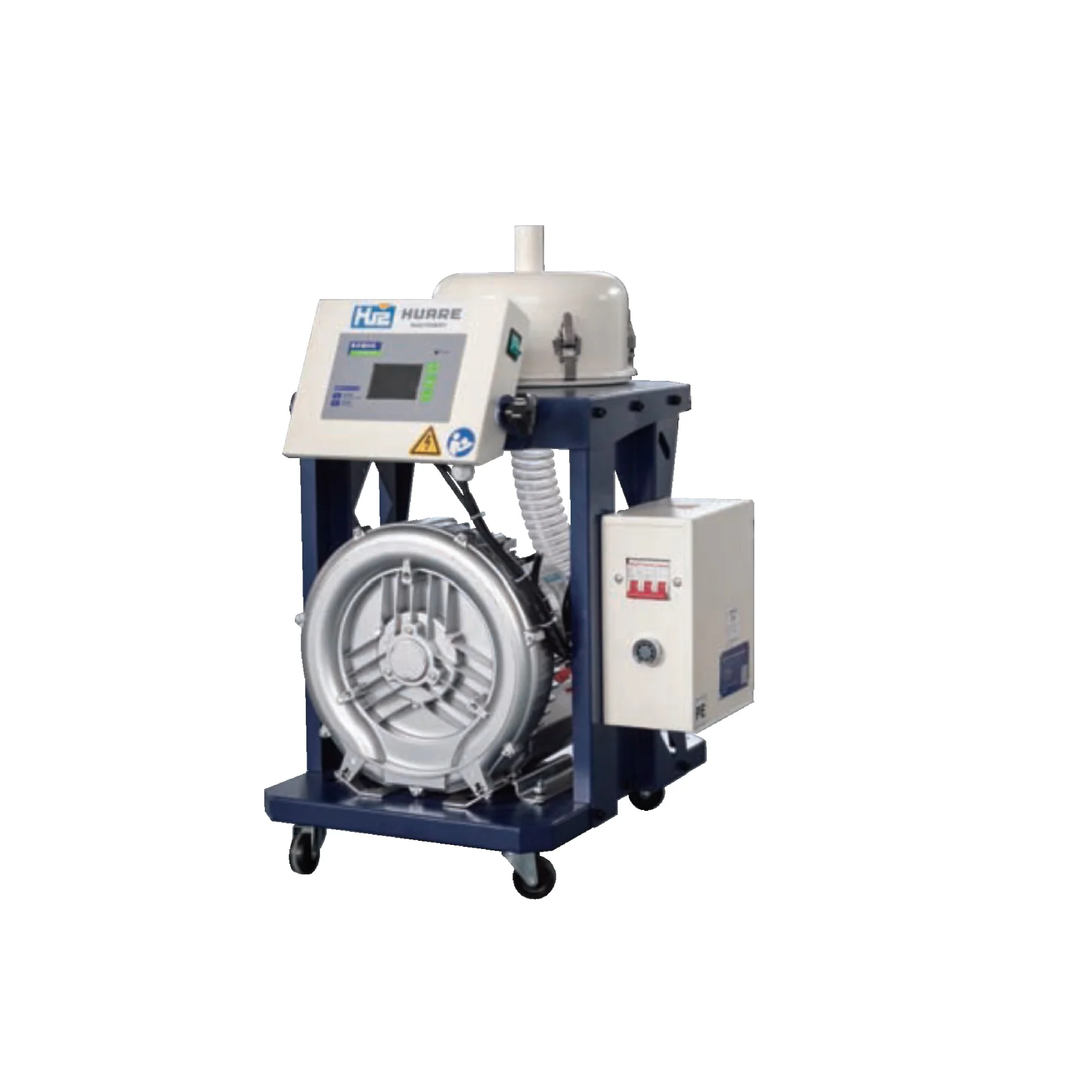
Provides controlled resin transfer to the machine.
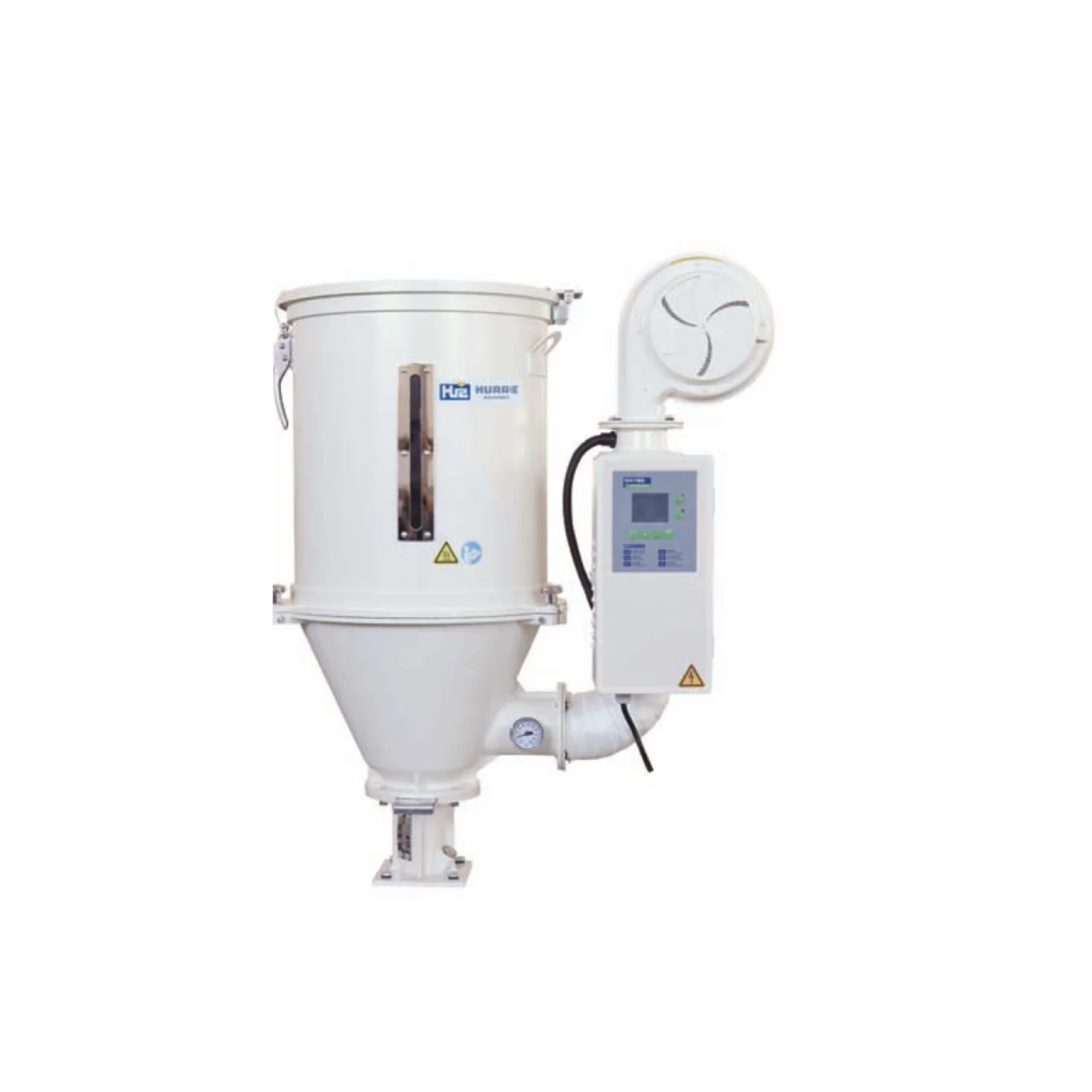
Used only when the selected resin and process require drying.
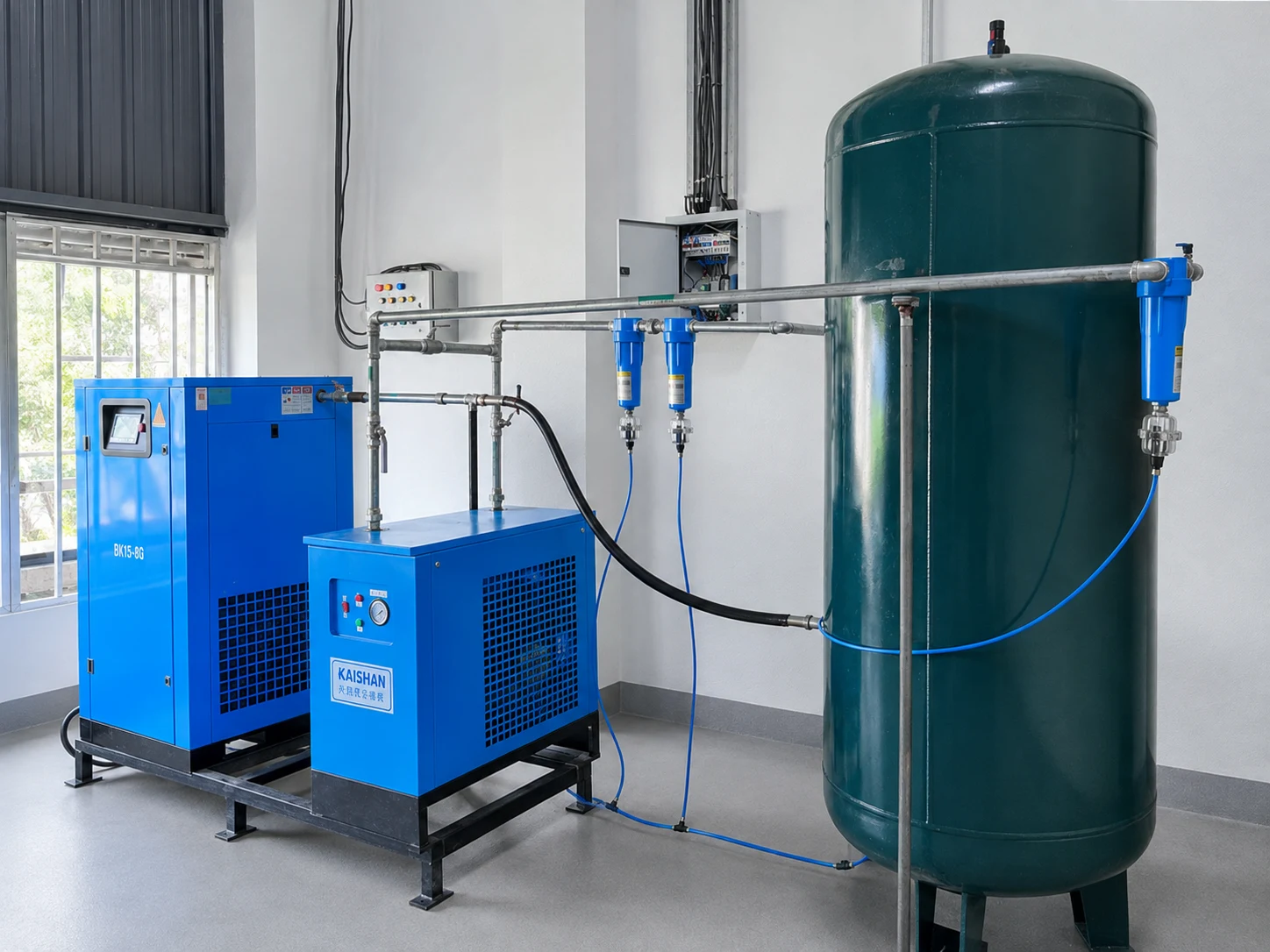
Reviewed for robot, IML or plant pneumatic demand.
Electrical supply, water quality, ambient conditions and existing plant utilities must be checked before final configuration.
COMPLETE PRODUCTION CELL
The production cell is configured around the agreed product, quality target and degree of automation.
PROJECT VALIDATION
Real proof should show the configured machine, mold movement, take-out, containers and quality checks. Generic footage is not used as a substitute for project evidence.
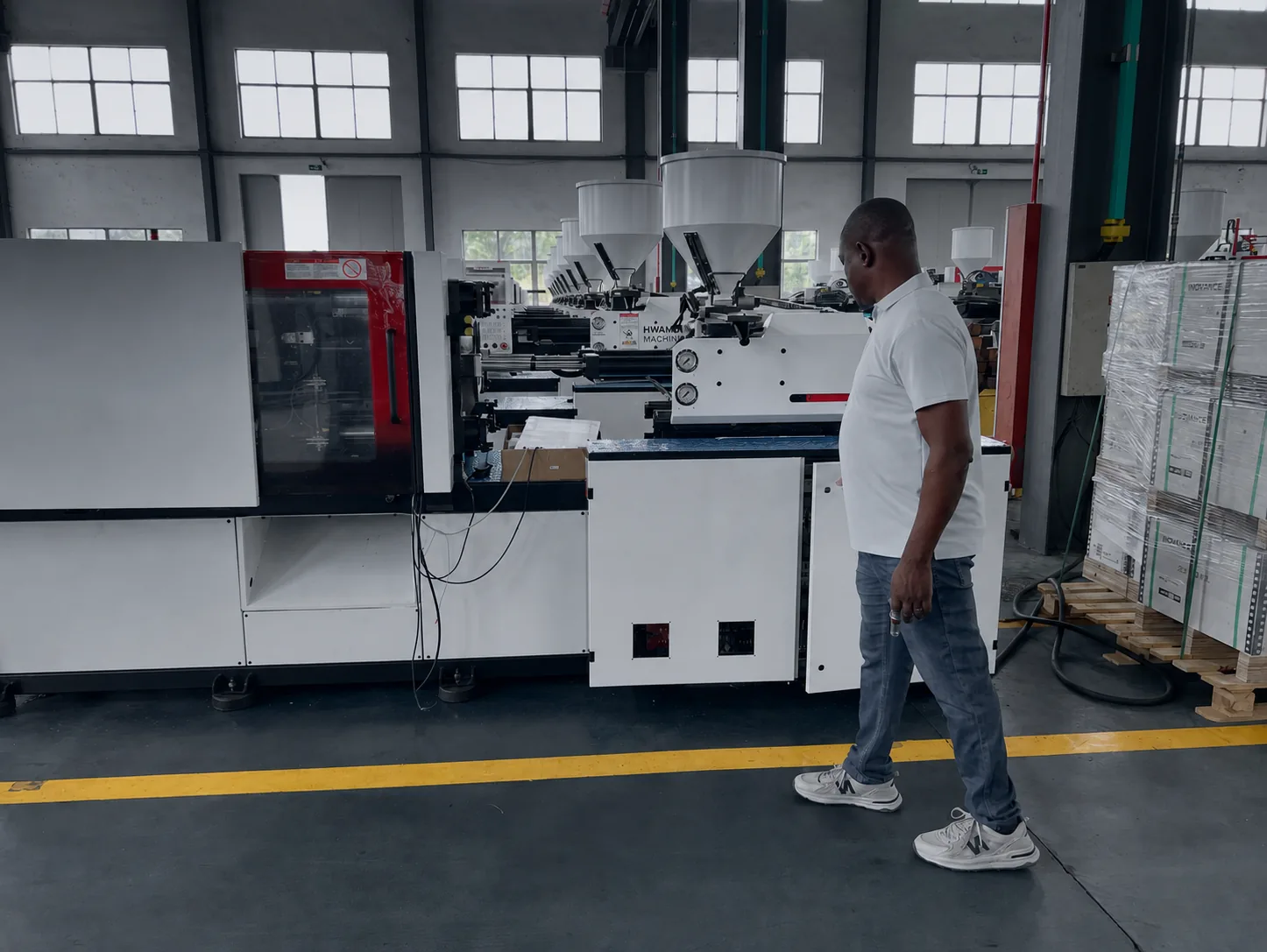
Recommended footage: full cycle, mold movement, label placement if used, robot take-out, stacking and close-up inspection of the molded container.
PROJECT INPUTS
Unknown items do not prevent an inquiry. Send what is available, and the remaining points can be confirmed during engineering review.
Product drawing
Clear photo or physical sample
Overall dimensions
Product weight
Wall thickness
Material and grade
Desired cavity count
Target hourly output
Labeling requirement
Existing or new mold
Automation requirement
COMMERCIAL SCOPE
A meaningful quotation requires the same confirmed technical scope. Cost changes with the machine, mold interface and the amount of automation included.
Clamping and injection unit selected for the part and mold.
Existing-mold adaptation or coordinated new-mold scope.
Affects mold size, shot requirement, cooling and automation.
Take-out, stacking and downstream handling.
Label feeding, robot, mold and control integration.
Cooling, loading, drying and plant-utility scope.
Trials, installation, training, logistics and spare parts.
BUYER QUESTIONS
Practical answers for preparing a food-container production project.
The suitable machine is selected from projected area, shot requirement, mold envelope, cycle sequence and automation—not product name alone.
Send the product drawing or sample, dimensions, weight, wall thickness, resin, mold information, cavities and output target.
There is no responsible universal cutoff for every geometry. The critical wall section must be reviewed together with flow length, material and filling path.
Cavities are selected by balancing output, shot size, platen and tie-bar fit, filling balance, cooling and automation.
Part geometry, wall section, resin, filling profile, mold cooling, ejection, robot movement and quality requirements all affect the cycle.
Yes, when the label, mold, robot access, static control and downstream handling are defined as one project.
At minimum the project may need consistent take-out; stacking, label handling, counting or packing depend on the product and target output.
Yes, after checking dimensions, weight, platen and tie-bar fit, shot requirement, ejector, cooling and controls.
Machine and injection unit, mold scope, cavities, automation, IML, auxiliaries, trials, logistics and service scope determine the total.