 HWAMDA
Deformation & sticking
Review where release forces act and how the part separates from core and cavity.
THIN WALL FOOD CONTAINER MOULD
Thin-wall food container moulds for takeaway boxes, round and rectangular containers and lids, supplied and matched to your high-speed machine. Review filling, cavities, cooling, release, automation and IML as one system.
01 / IDENTIFY THE CONTAINER
Capacity alone does not define the mold. Start with the actual container, its lid or sealing interface and the way the finished parts must be handled.
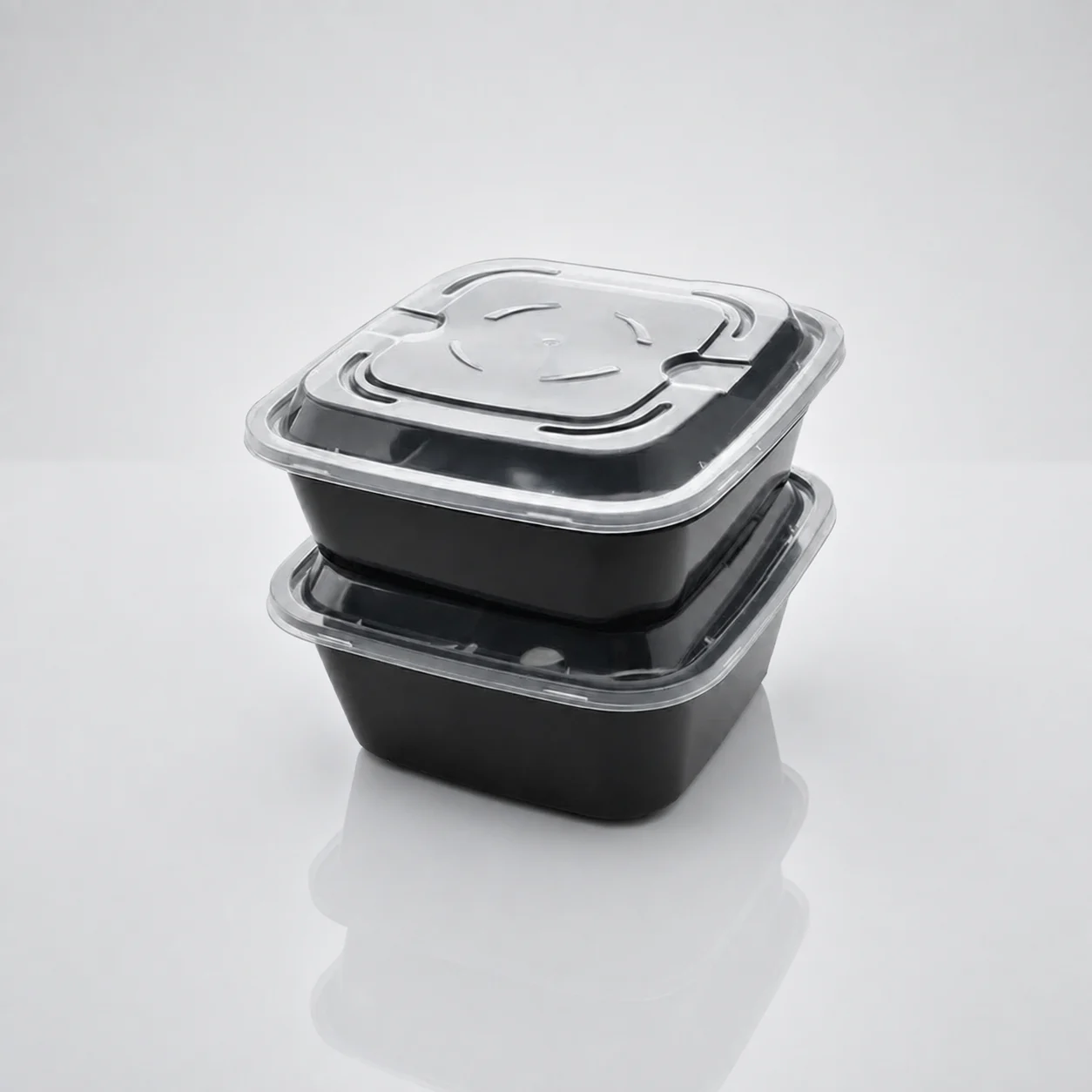
Review the product profile, rim, base and lid relationship.
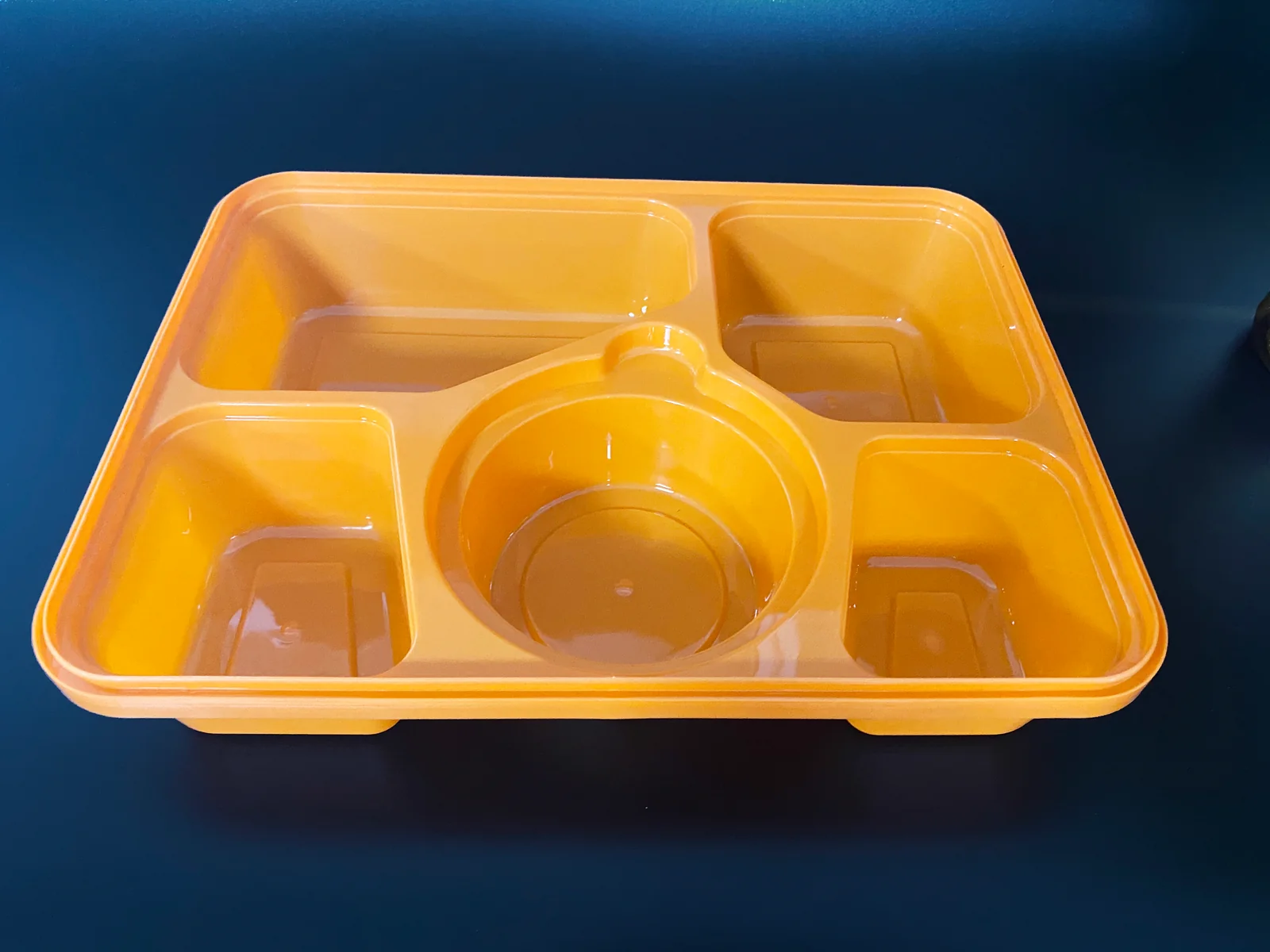
Define corners, wall transitions, stacking and release surfaces.
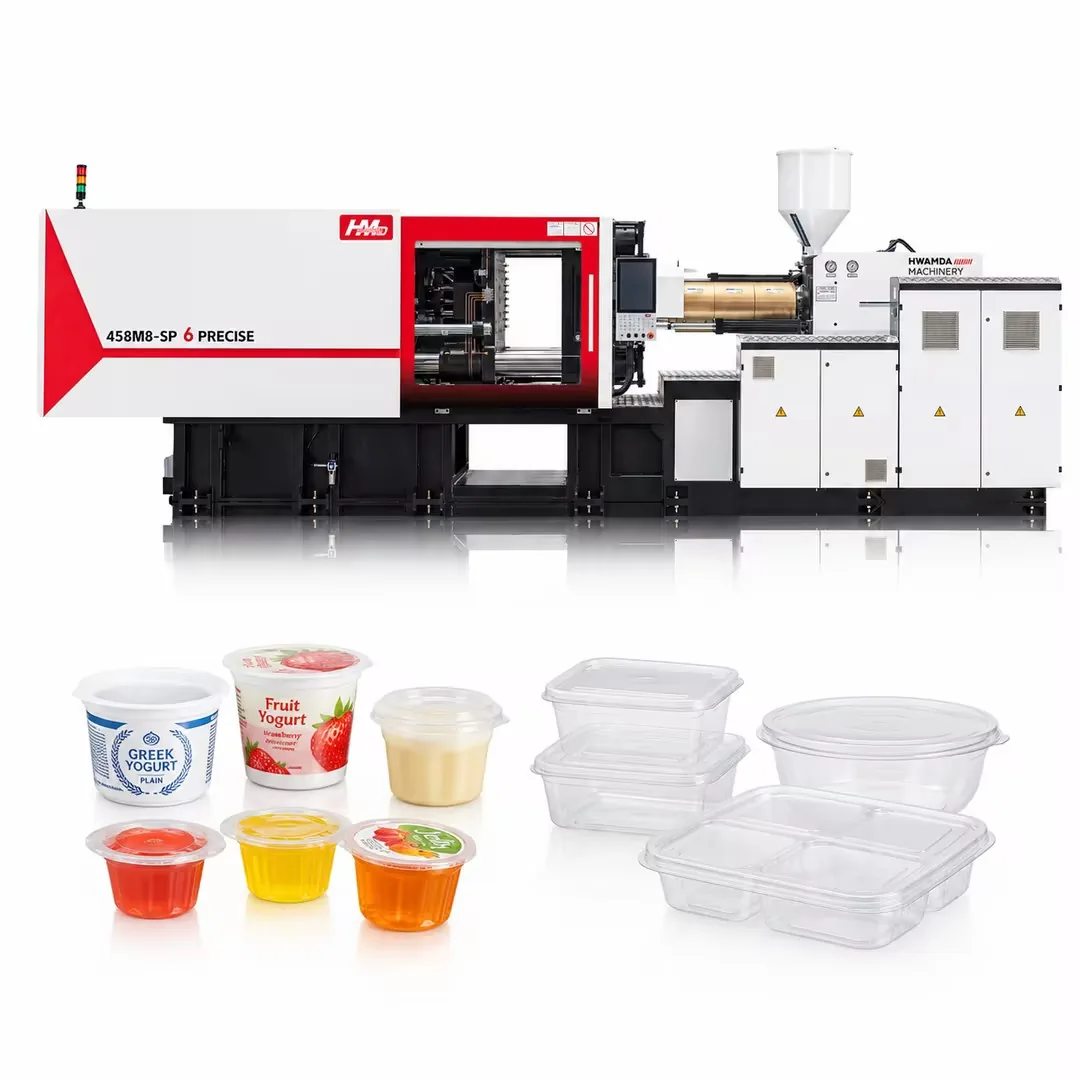
Check diameter, rim geometry, nesting and matching-lid requirements.
Producing yogurt cups, beverage cups or drink cups? Go to Plastic Cup Injection Mold →
02 / RECORDED PRODUCTION EXAMPLES
Containers recorded in production with their cavity count and cycle time. Your cycle depends on the product, resin, mold and cooling, so we confirm it for your project.
| Container | Cavities | Cycle time | Machine | Output/hour (calculated) |
|---|---|---|---|---|
| 650 ml rectangular food container | 8 | 3.3 s | HMD458M8-SP6 | 8,700 |
| 1,000 ml square food container | 6 | 4.0 s | HMD458M8-SP6 | 5,400 |
| 1,250 ml food container | 6 | 4.3 s | HMD458M8-SP6 | 5,000 |
| Square clear container | 12 | 5 s | HMD550M8-SP6 | 8,640 |
| 650 ml square container | 6 | 4.6 s | — | 4,700 |
| 650 ml round container | 4 | 5 s | HMD418M8-SP6 | 2,880 |
| 1,000 ml container | 6 | 5.1 s | HMD418M8-SP6 | 4,200 |
| Food container lid | 8 | 5 s | HMD418M8-SP6 | 5,760 |
| Blueberry punnet | 8 | 10 s | HMD458M8-SP6 | 2,880 |
Output per hour = cavities × 3,600 ÷ cycle time, before planned stops and quality checks.
high-speed injection molding machine03 / PRODUCT GEOMETRY
Send the product information you have. Unknown details can be reviewed, but container volume alone is not enough.
Length, width or diameter · height · base geometry · ribs
Material · weight · wall section · flow length
Rim · lid fit · IML area · stacking or nesting requirement
04 / CAVITY CONFIGURATION
Work backward from the production target. More cavities affect the mold, machine, cooling and handling requirements together.
05 / FILLING, COOLING & RELEASE
Balanced filling, core and cavity cooling and stable release work together. Review them with the real container, mold concept and selected machine.
Hot-runner selection, gate count and gate dimensions are confirmed against the actual product and mold design.
Review where release forces act and how the part separates from core and cavity.
Check the sealing rim, corners and surfaces against marking or damage.
Coordinate stable release, robot access and the required downstream orientation.
06 / HIGH-SPEED MACHINE + MOLD
The selected or existing machine must accommodate the mold and provide the filling, clamping and motion capability required by the proposed thin-wall container.
01Container drawing
02Weight + wall + flow length
03Cavity concept
04Mold size + filling requirement
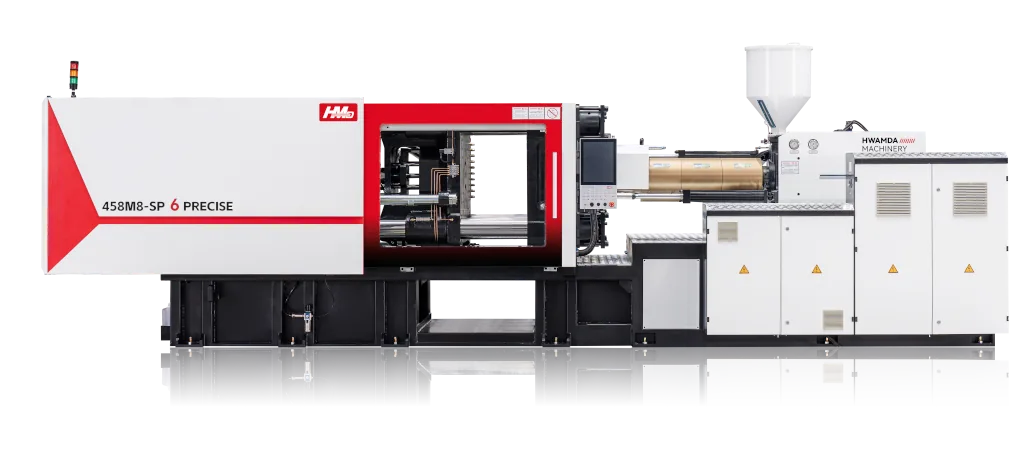
For a mold-only project, send the machine specification sheet and nameplate with the container information.
07 / IML & TAKE-OUT
Review mold opening, end-of-arm tooling access, product orientation and the placement direction before finalizing the interfaces.
Robot model, reach, payload and stacking method are confirmed from the selected production cell.
Review the complete IML production solution08 / CONTAINER + LID
Provide the actual lid or drawing early when rim fit or sealing must match an existing design. Include the finished container’s stacking or nesting requirement.
09 / CHOOSE THE PROJECT SCOPE
Review the high-speed machine, thin-wall food container mold, robot or IML, cooling and material handling together.
food container production linehigh-speed injection molding machine10 / MOLD CONFIGURATION REFERENCES
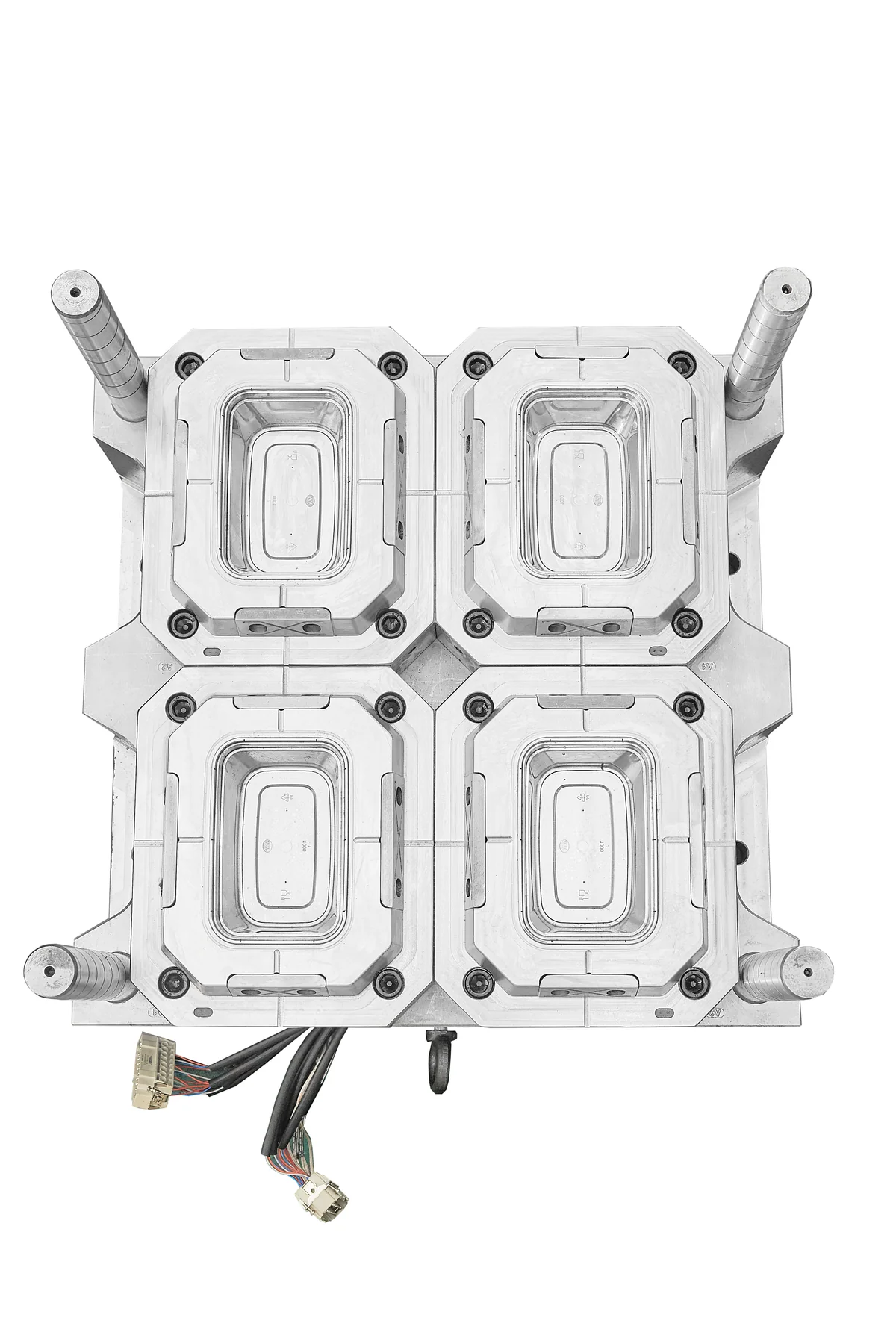
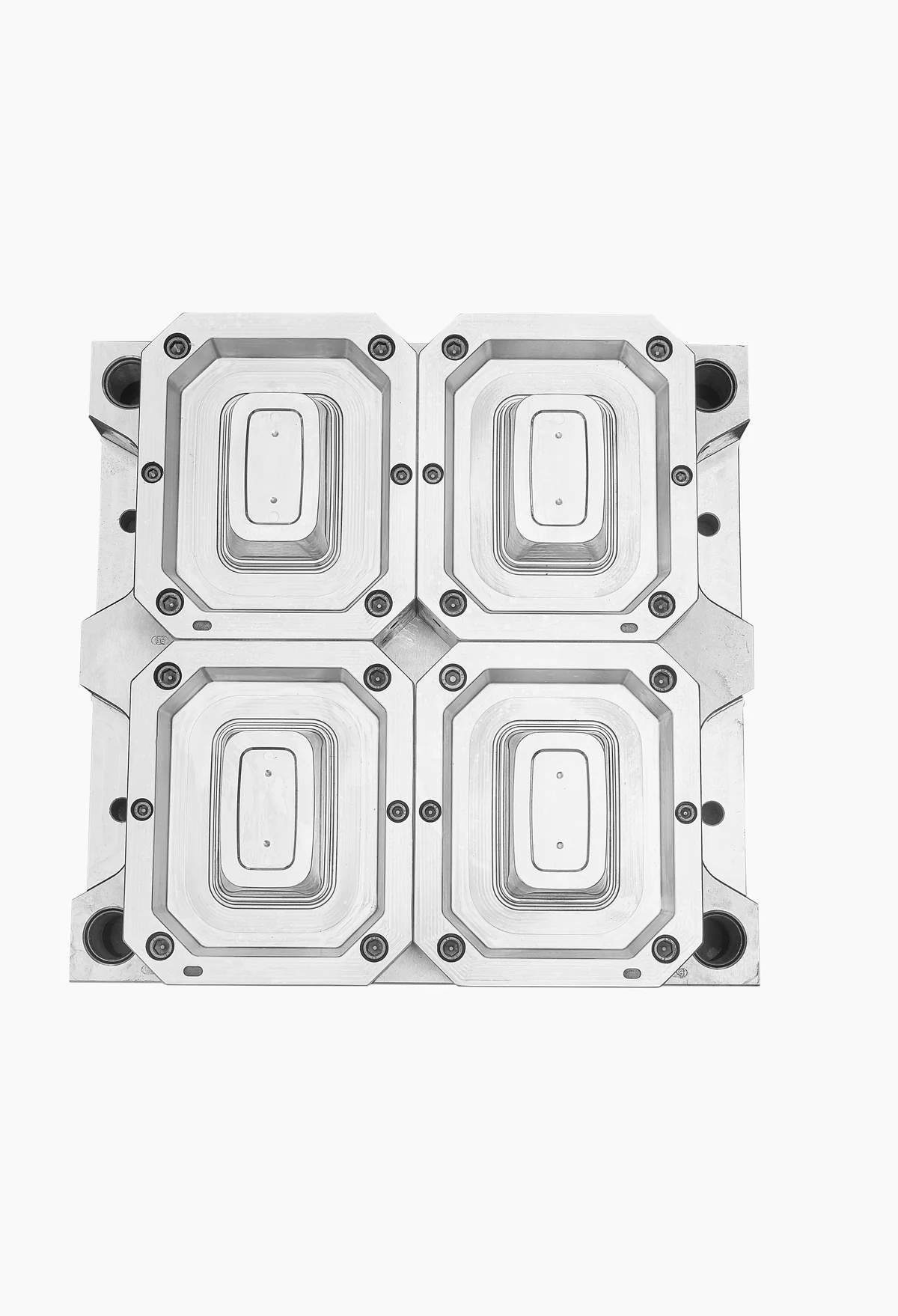
Reference images help identify the mold category and questions to review. Final runner, gate, cooling, release and interface details are configured around the submitted product and machine.
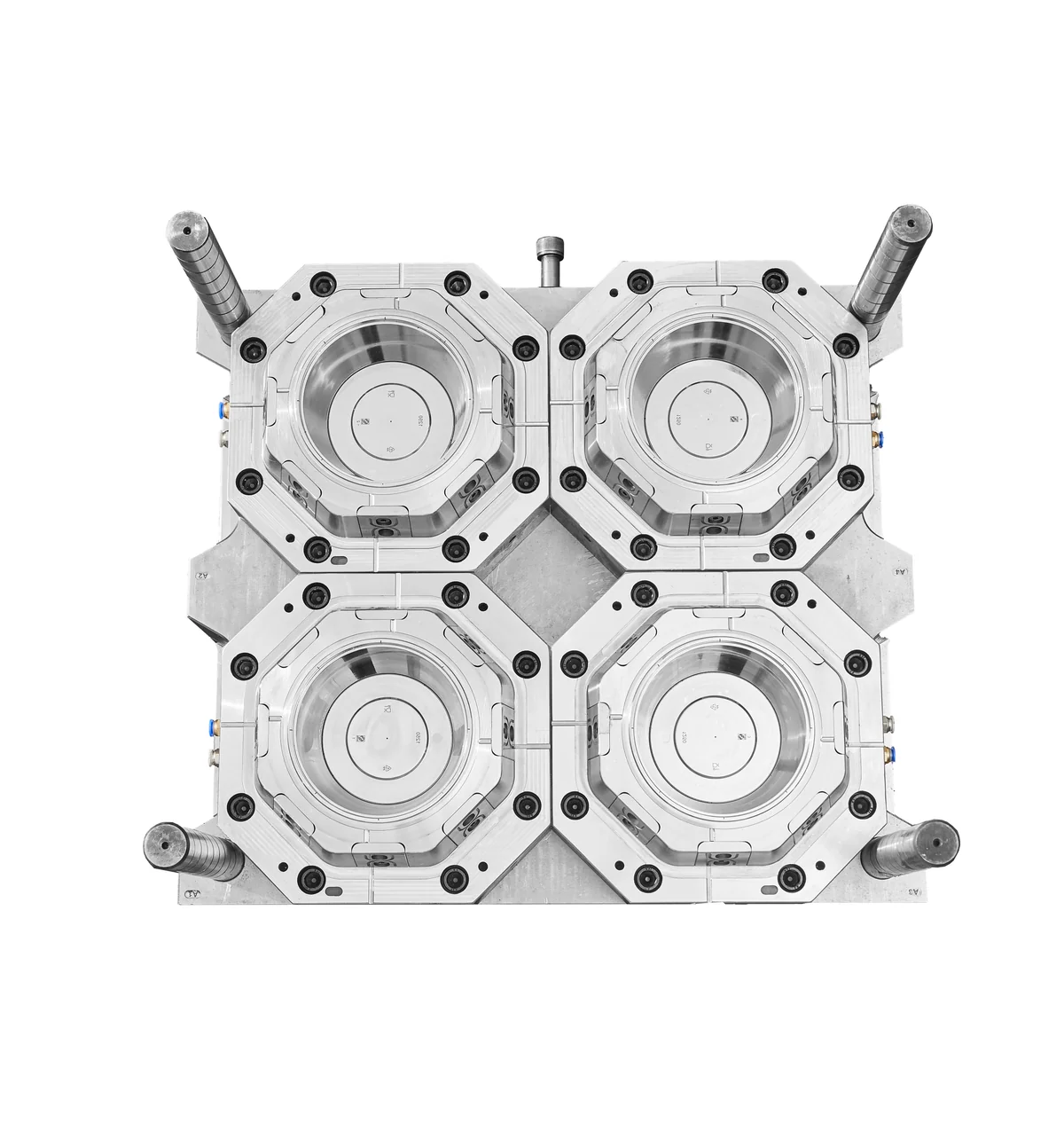
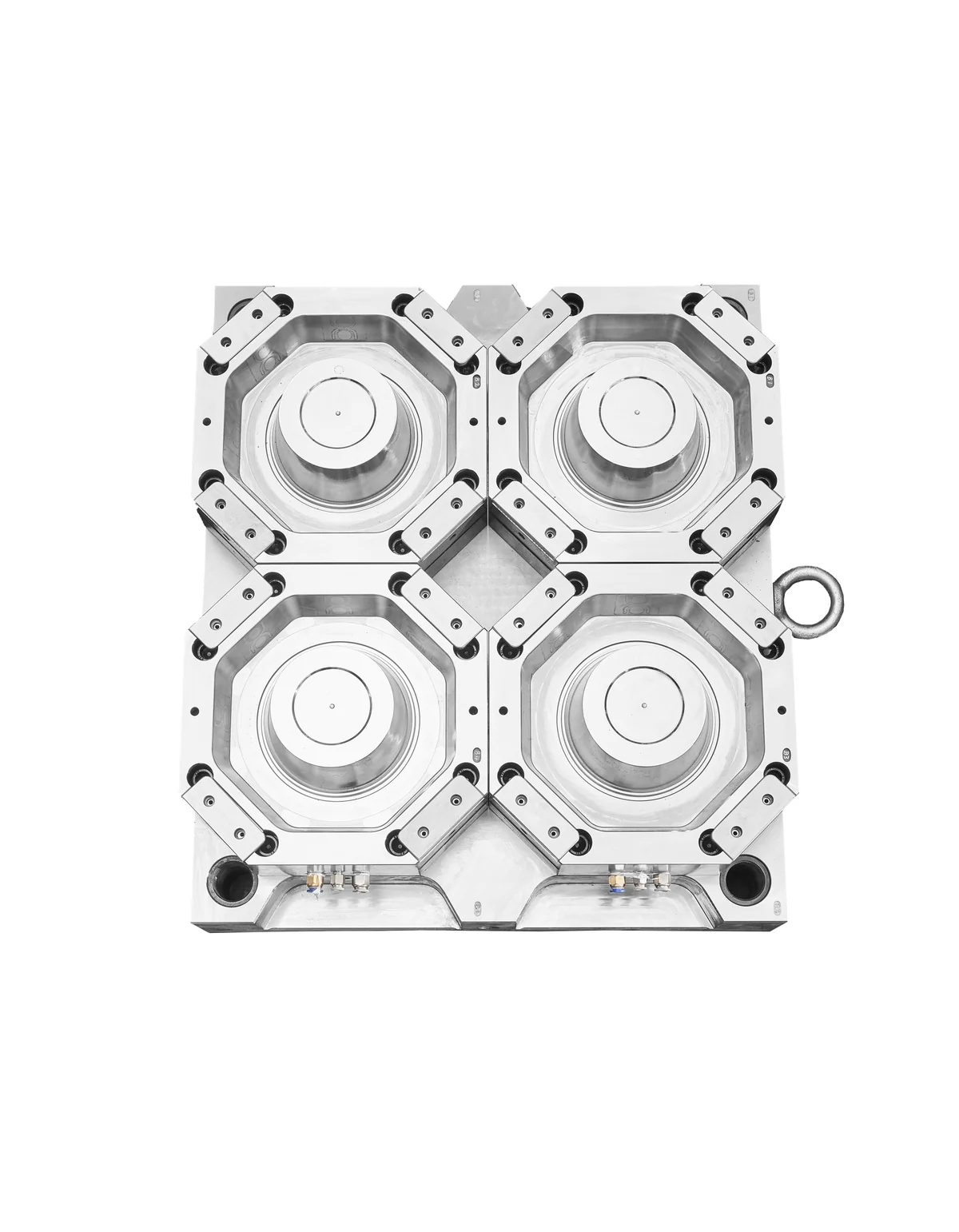
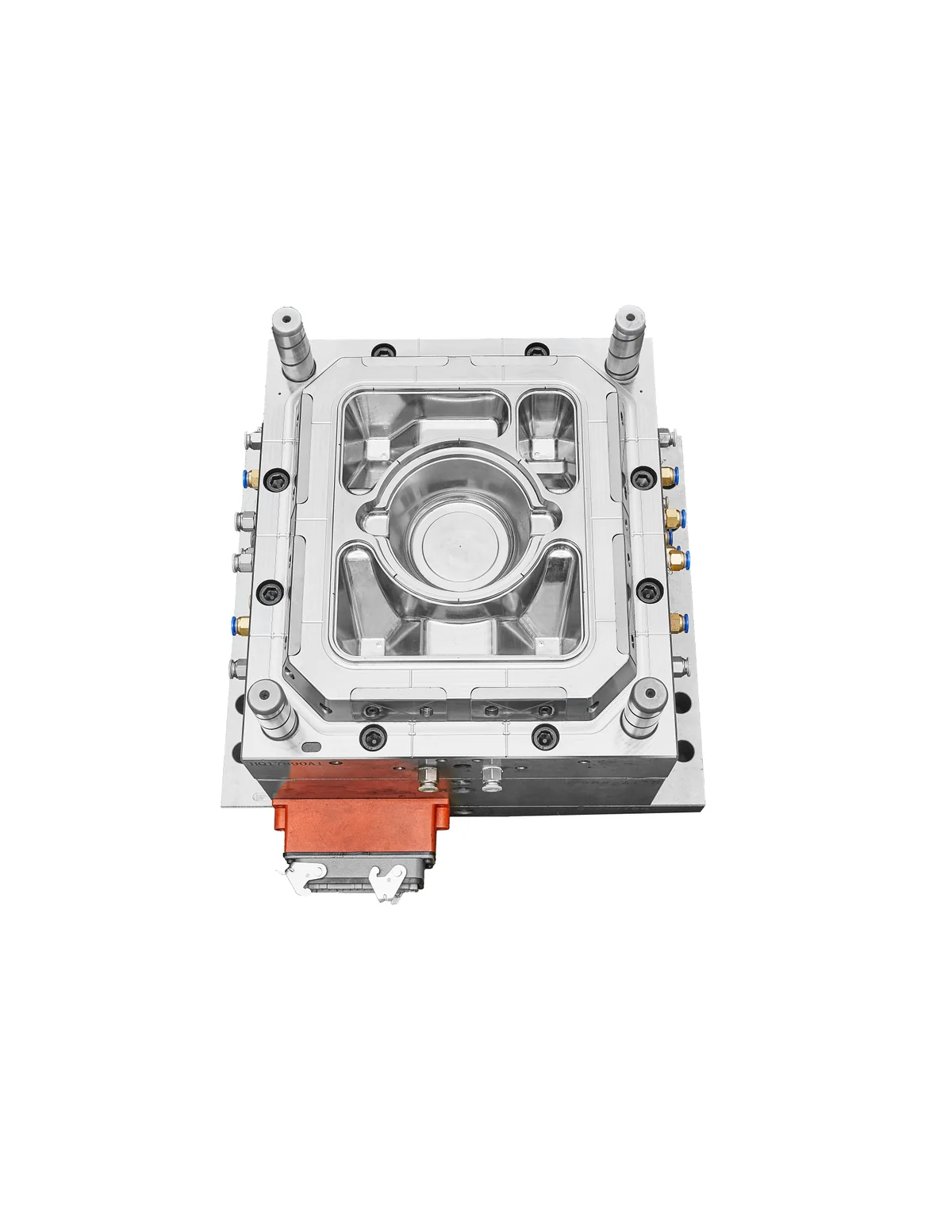
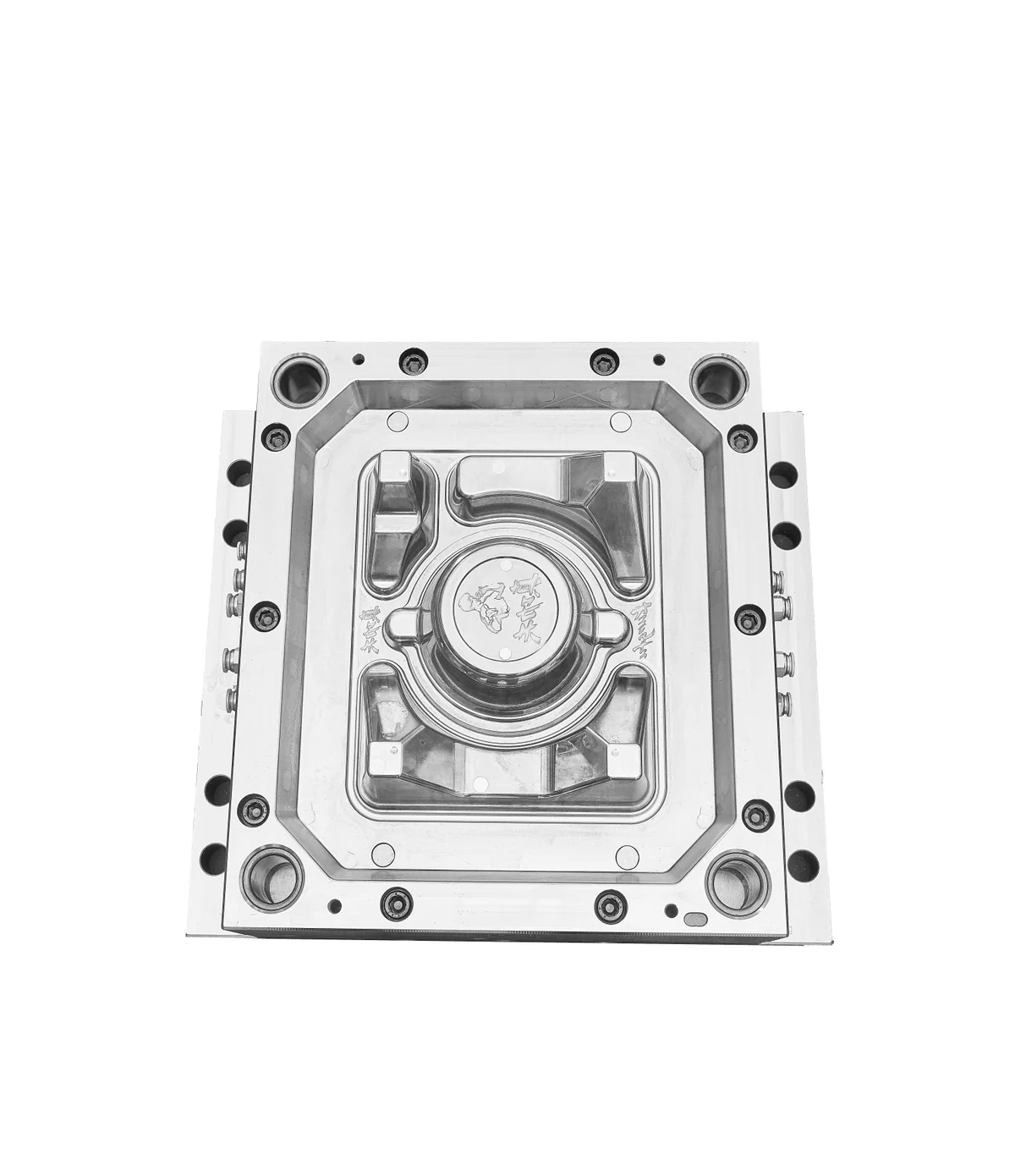
Compare these mold references with the recorded production examples, then send your container for a configuration review.
11 / BUYER QUESTIONS
Send a container photo, sample or drawing, with material, dimensions, weight and wall section if known. Add the lid, IML, target-output and intended-machine requirements. Cavity count can be reviewed during configuration.
Thin sections, long flow paths, cavity layout and the production target can make filling balance, heat removal, release and handling more demanding. The mold must therefore be reviewed with the intended machine and complete cycle.
Cavity count changes total shot, projected area, mold dimensions, filling balance, cooling demand and take-out requirements. Compare a cavity concept with the complete machine and automation requirement rather than treating it as an isolated option.
Core and cavity heat removal affects dimensional consistency, release and cycle stability. A machine that fills quickly cannot compensate for an unbalanced or insufficient mold-cooling arrangement.
Yes. Send the machine brand, model, clamping and mold-space data, injection capacity, nozzle information, opening stroke and relevant filling capability. Both physical fit and process capability require engineering review.
Yes. HWAMDA supports mold-only projects with the container requirements, intended machine, mold configuration, supply scope and sample-acceptance requirements reviewed together.
IML can be reviewed when the container, label, cavity access, label retention, release and robot sequence support it. IML capability is not assumed for every container mold.
HWAMDA can coordinate the high-speed machine, mold supply and matching, automation and auxiliary requirements as a configured food-container production project. The proposal defines the confirmed scope and interfaces.
Provide the actual lid or its drawing and identify the required fit or sealing result. Rim geometry, material behavior and molded-sample fit should be reviewed before the requirement is confirmed.
The recorded examples on this page run from 4 to 12 cavities, for example 8 cavities for a 650 ml rectangular container and 12 cavities for a square clear container. The right count for your project follows from the output target, shot weight, projected area and machine size.
Recorded cycles on this page range from 3.3 s for a 650 ml rectangular container (8 cavities, HMD458M8-SP6) to 10 s for a blueberry punnet. Your cycle depends on the container, resin, wall section, mold cooling and take-out, so it is confirmed for your project.
Send clear side, top and base photos with a scale reference where possible. Add measured dimensions, weight, material if known, the matching lid and the changes you want. A physical sample can then be arranged for review if needed.
12 / YOUR MOLD REQUEST
Start with the container. Upload a product or lid drawing, sample photo, existing mold drawing or machine nameplate if available.
You do not need to choose a cavity count before contacting us.