 HWAMDA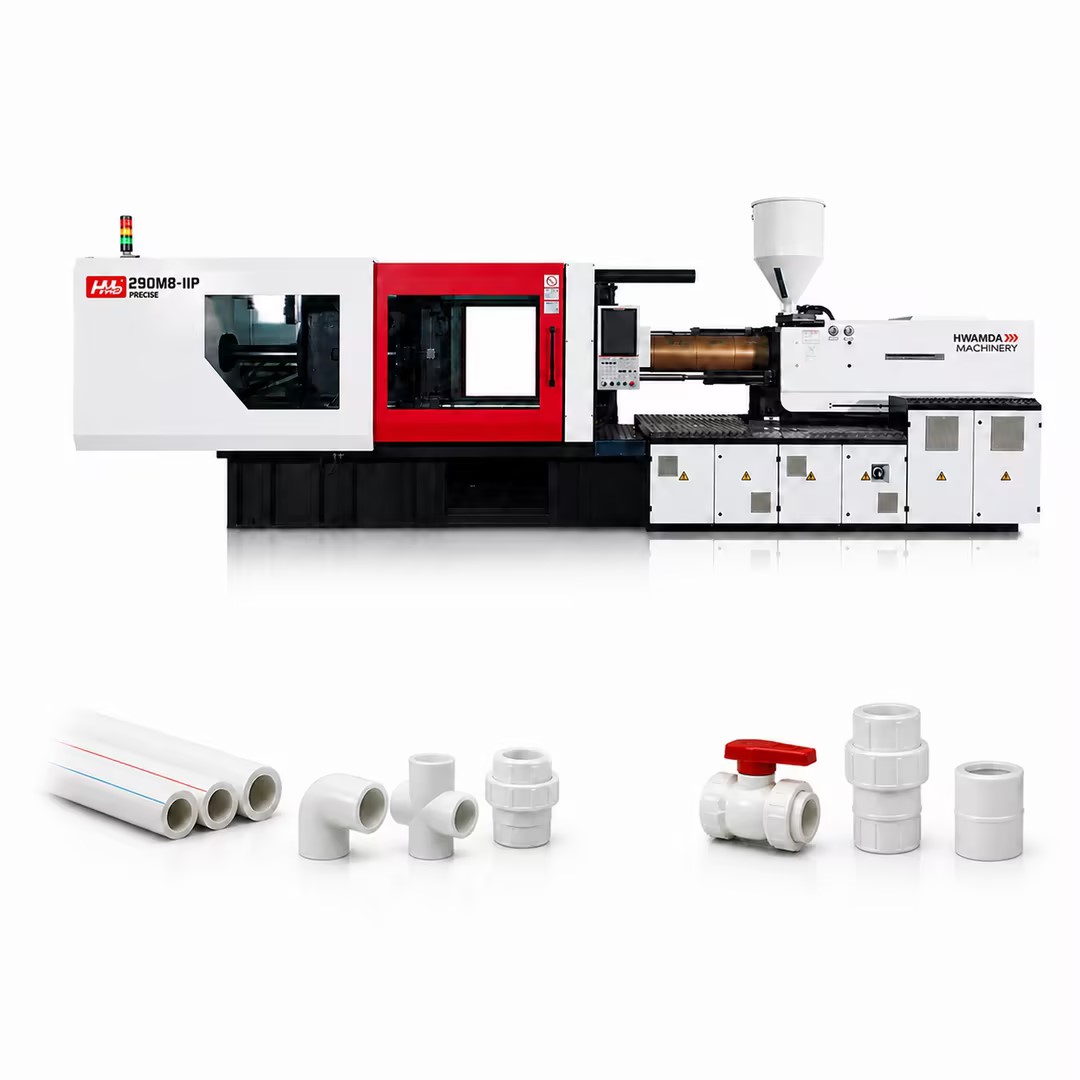
PVC
PVC Pipe Fittings
Rigid PVC and project-specified PVC compoundsReview a PVC-specific plasticizing package, temperature-control strategy, mold actions and plant conditions.
View PVC Configuration
PVC · PPR · PP PIPE FITTINGS
Configure the machine around the fitting material, part geometry, mold, core-pulling actions and target output. PVC and PPR/PP projects follow separate equipment reviews.
PVC / PPR / PPSTART WITH THE RESIN
Pipe fittings can look similar while their processing behavior and machine requirements differ. Select the material family that matches your project.
Review a PVC-specific plasticizing package, temperature-control strategy, mold actions and plant conditions.
View PVC Configuration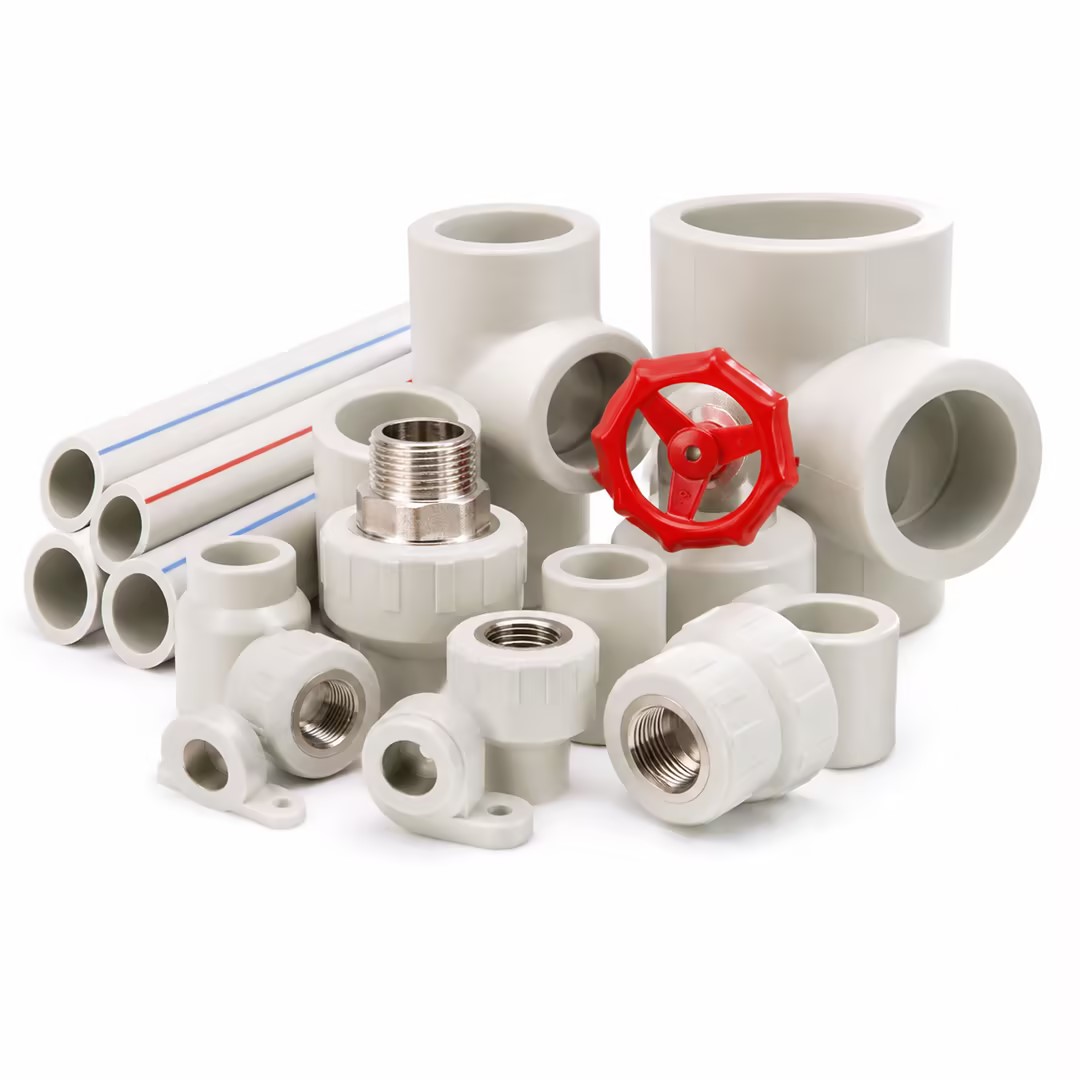
Review a servo-hydraulic machine platform, injection unit, mold interface and core-pulling requirements for the selected grade.
View PPR & PP ConfigurationPVC CONFIGURATION
PVC fitting production needs a material-sensitive machine review. The final configuration is selected from the actual compound, fitting, mold and production conditions—not from clamping force alone.
Select the screw, barrel and related materials for the confirmed PVC compound and its processing sensitivity.
Review the heating and cooling arrangement around the actual plasticizing package. Any fan or ventilation requirement is confirmed from the machine configuration and resin data.
Check mold envelope, tie-bar clearance, ejector, hydraulic core-pulling actions, interfaces and safe demolding sequence.
Provide the PVC grade, fitting drawing or sample, part weight, mold data, cavities, core actions, target output and plant utilities.
PPR / PP CONFIGURATION
PPR and PP fittings can be evaluated on the same general machine category, but the final plasticizing, injection and mold configuration still depends on the exact grade, product and tooling.
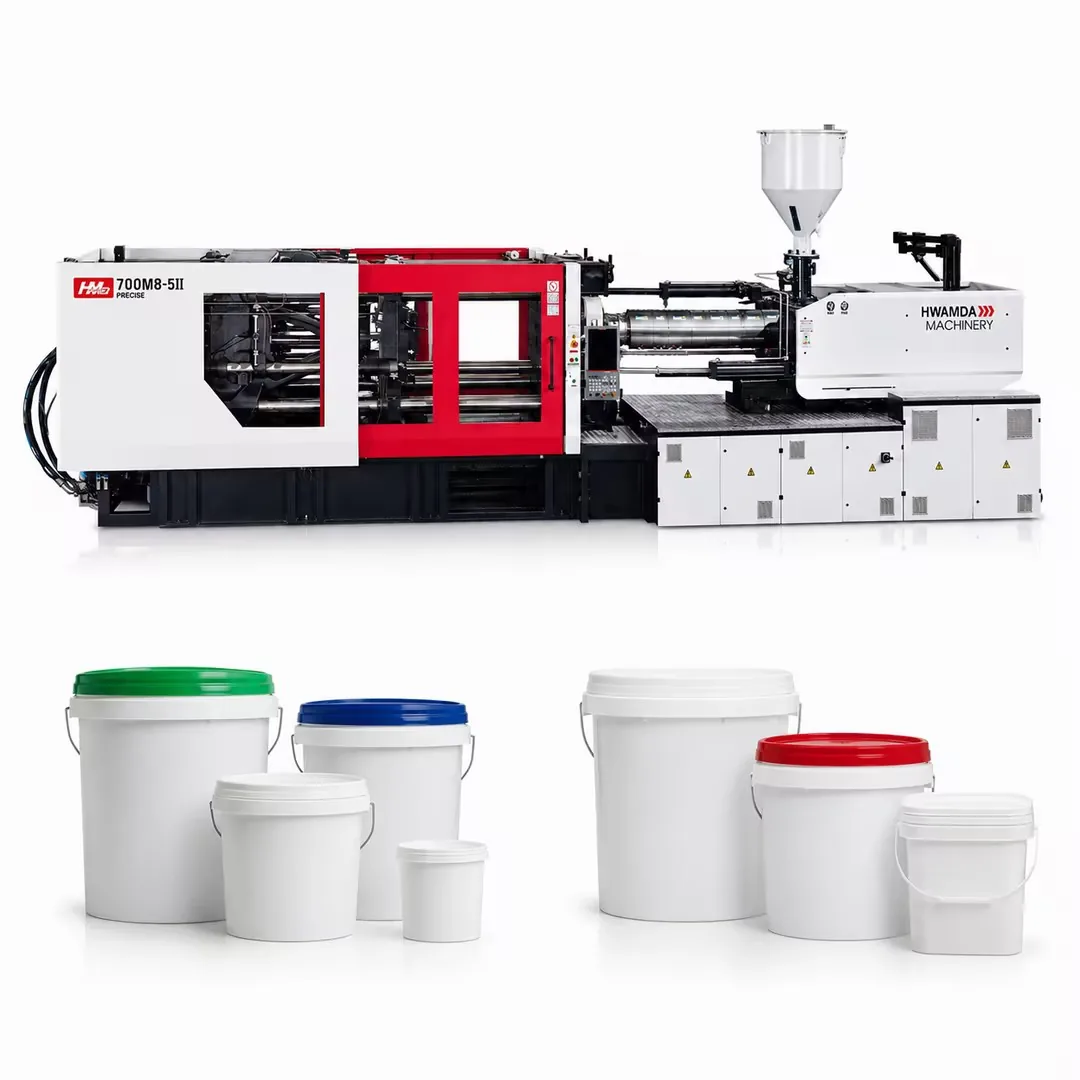
Start with a suitable servo-hydraulic platform, then match clamping, injection capacity and plasticizing performance to the part and mold.
Confirm whether the resin is PPR or another PP grade, including supplier data and any fillers or project-specific requirements.
Review mold dimensions, cavities, runner concept, metal inserts, cooling, ejection and hydraulic core-pulling actions.
An existing mold can be assessed using its drawing, dimensions, weight, injection requirement, interfaces and sample-part information.
MACHINE–MOLD MATCHING
A responsible recommendation checks the complete molding interface. Unknown values can be reviewed with the sales engineer instead of blocking the enquiry.
| Selection input | Why it matters |
|---|---|
| Material and grade | Defines the plasticizing and temperature-control review. |
| Fitting type and dimensions | Clarifies geometry, flow length, inserts and demolding. |
| Part weight | Supports shot-size and plasticizing-capacity selection. |
| Mold dimensions and thickness | Checks platen fit, tie-bar clearance and mold opening space. |
| Cavity count | Affects shot requirement, mold layout, cooling and output. |
| Core-pulling requirements | Defines hydraulic actions, interfaces and sequence review. |
| Injection requirements | Matches the injection unit to the resin, runner and filling demand. |
| Target output | Connects the cavity plan, stable cycle and handling scope. |
| Existing mold or new project | Determines whether an interface review or a new coordinated scope is required. |
Illustrative matching relationship
This is a planning relationship, not a guaranteed delivery output. Actual production also depends on stability, quality, downtime, material, mold, cooling and handling.
PRODUCTION-CELL CONFIGURATION
The machine and mold form the core molding system. Material handling, cooling, take-out and other equipment connect to that system according to the project scope.
Material loading or handling
Cooling equipment
Take-out robot or automation
Resin-specific preparation
Core-pulling and control interfaces
Other plant utilities or downstream handling
PROJECT VERIFICATION
Project evidence should correspond to the confirmed material and machine configuration. HWAMDA can review inspection, trial and acceptance requirements without substituting an unrelated application.
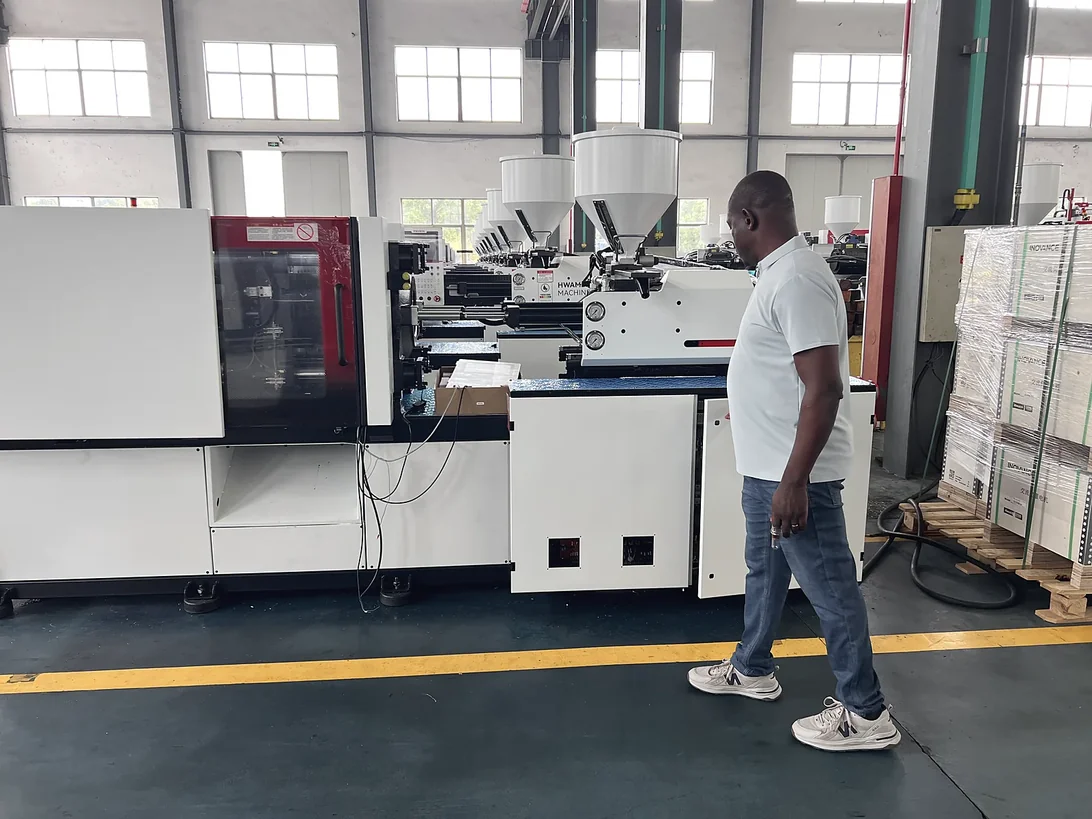
Configuration review from product and mold data
Machine–mold interface coordination
Inspection and trial scope agreed before shipment
Installation, training and service scoped by project
PRICE & PROJECT ENQUIRY
Price depends on the confirmed machine and injection unit, mold scope, cavities and core pulling, auxiliaries, automation, logistics and service requirements. Send the basics first; missing engineering details can be confirmed later.
Material and fitting specification
Machine and injection-unit configuration
Existing mold or coordinated mold scope
Auxiliaries, automation and service scope
BUYER QUESTIONS
The suitable machine depends on the resin grade, fitting geometry and weight, mold, cavities, core pulling and output target. PVC and PPR/PP follow separate configuration reviews.
No. PVC requires a PVC-specific review of the plasticizing and thermal-control package. PPR and PP may use the same general equipment category, but each grade and project still needs confirmation.
Send the part weight and drawing, resin, mold dimensions and thickness, cavity count, injection requirement, core actions and target output. The review then checks clamping, injection and mold fit together.
It may be possible after checking the mold drawing, dimensions, weight, tie-bar and platen fit, injection requirement, ejector, cooling, core-pulling interfaces and controls.
Provide the mold drawing or clear photos, the number and direction of core actions, required stroke, interface details and the intended demolding sequence.
Part geometry, resin, runner and cavity balance, filling and holding, mold cooling, core actions, ejection, take-out and the required quality window all affect the stable cycle.
The list is project-specific. Material handling, cooling, take-out and other equipment are selected only after the resin, mold, output and plant utilities are reviewed.
Start with the material, fitting drawing or sample, approximate weight, mold information if available, cavities or output target, destination and any automation requirements. Unknown values are acceptable.