 HWAMDA
Preform and mold design
Confirm preform drawing, weight, neck finish, core and cavity, gate and interchangeability requirements.

PET preform mold
HWAMDA coordinates PET preform mold supply through qualified mold partners and verifies the mold, injection unit and production target as one system.
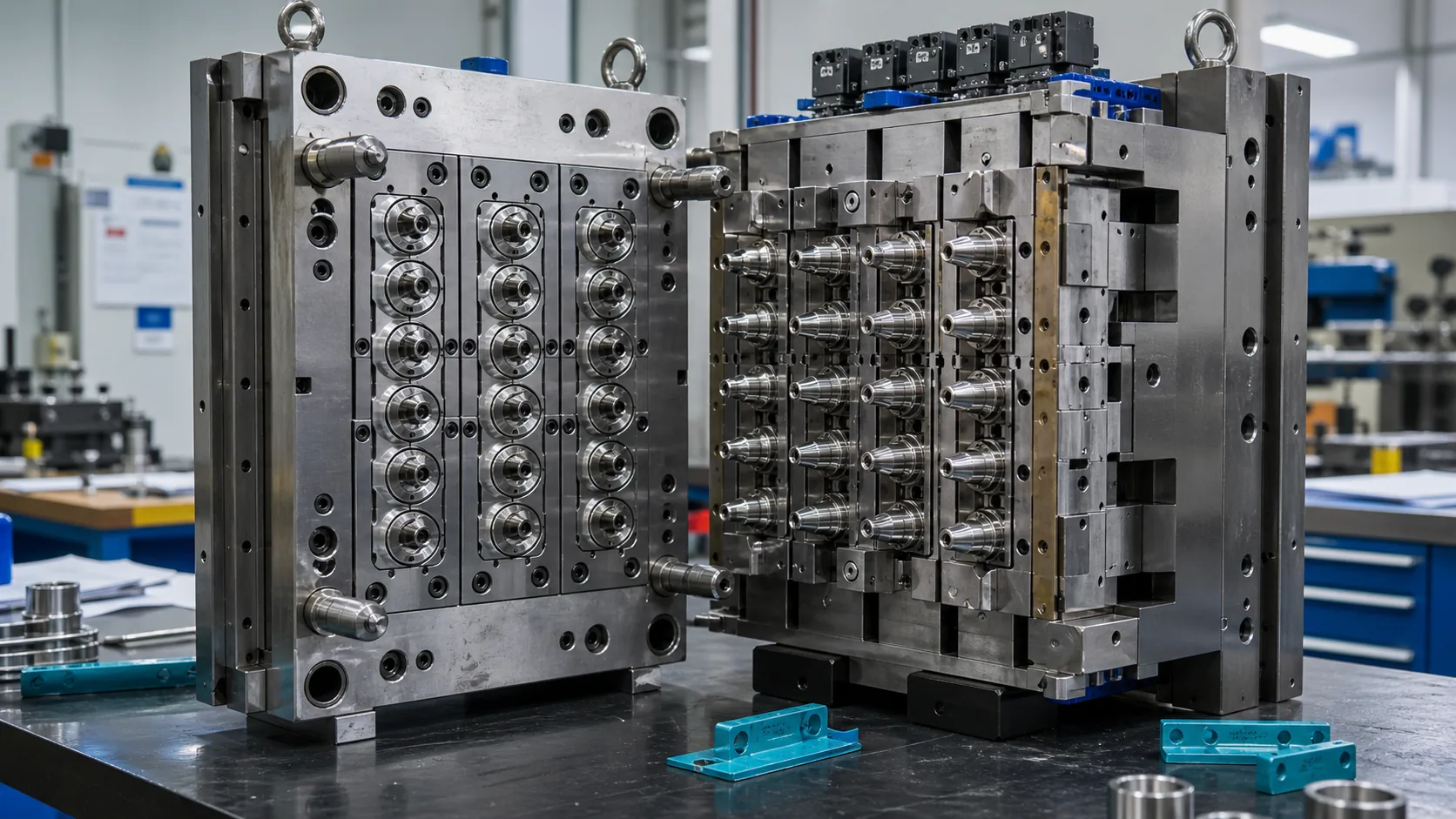
PET PREFORM MOLD CONFIGURATION
HWAMDA is the injection molding machine manufacturer. When a customer also needs a PET preform mold, we coordinate a qualified mold partner and verify the combined configuration before quotation and trial.
Confirm preform drawing, weight, neck finish, core and cavity, gate and interchangeability requirements.
Match 16–96 cavity options to preform weight, cycle target, cooling demand and required hourly output.
Review melt distribution, temperature control, gate consistency, cooling layout and service access.
Verify platen and tie bars, mold thickness, injection requirement, ejector, utilities and controls.
MOLD DESIGN REQUIREMENTS
The preform drawing, neck standard and blowing requirement define what the mold must produce. Core and cavity geometry, neck split, gate, cavity layout, interchangeability, venting and service access should be confirmed before the machine-and-mold configuration is finalized.
Review the forming surfaces, neck detail, alignment and component interchangeability.
Match gate requirements to the preform geometry, resin, hot runner and acceptance criteria.
Balance mold envelope, flow path, cooling, maintenance access and machine fit.
Define wear parts, access, spare components, cleaning and maintenance requirements.
CAVITY OPTIONS
A 24-, 32-, 48-, 64-, 72- or 96-cavity concept must still be checked against preform weight, shot requirement, target cycle, mold dimensions, cooling load, handling and the available investment. Only configurations supported by the actual project should enter the quotation.
Preform weight and neck finish
Required output per hour
Target cycle and cooling load
Machine injection and mold envelope
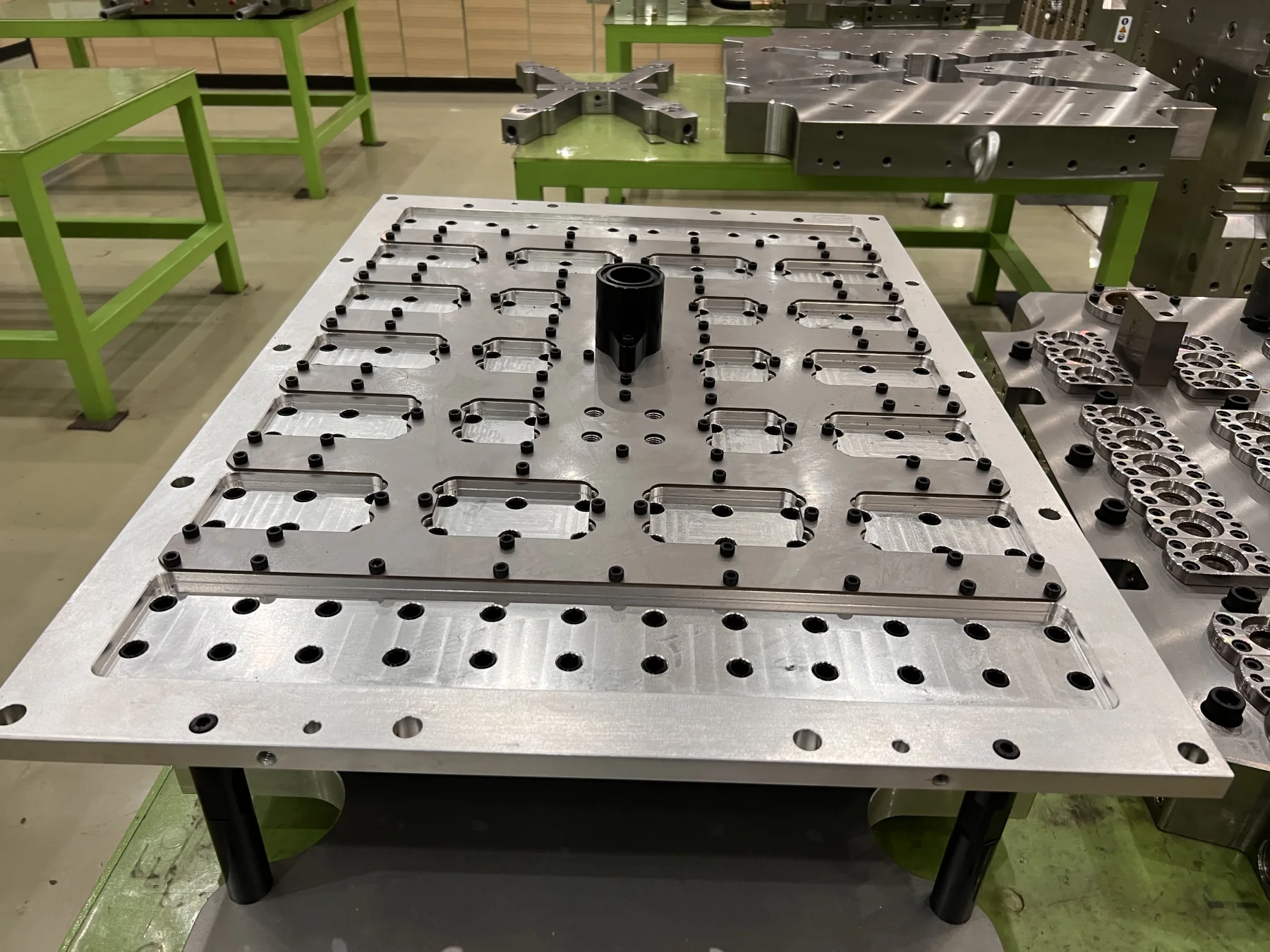
HOT RUNNER SYSTEM
The hot runner should distribute PET to every cavity under controlled thermal conditions. Manifold balance, heater and sensor arrangement, gate or valve configuration, control zones and service access all influence process stability and maintenance.
Melt-distribution balance across the cavity layout
Stable and serviceable temperature-control zones
Gate configuration matched to the preform and quality target
Documented controls, connectors and spare-component scope
COOLING & CYCLE TIME
Cycle time depends on how consistently the mold removes heat, not only on the chiller setpoint. Circuit layout, flow balance, water quality, mold condition and condensation control should be reviewed with the preform quality target.
Cooling-circuit layout and connection plan
Flow, pressure and temperature consistency
Condensation and mold-dehumidification requirements
Cycle validation with dimensions, clarity and part release
MACHINE–MOLD COMPATIBILITY
HWAMDA reviews the mold envelope and the injection requirement together. A physical fit does not confirm that the selected injection unit, plasticizing capacity, opening, ejection, hot-runner controls and utilities can support the required production.
Tie-bar spacing, platen size and locating interface
Mold thickness, opening stroke and ejector requirement
Shot requirement, injection unit and plasticizing capacity
Hot-runner, cooling-water, electrical and signal interfaces
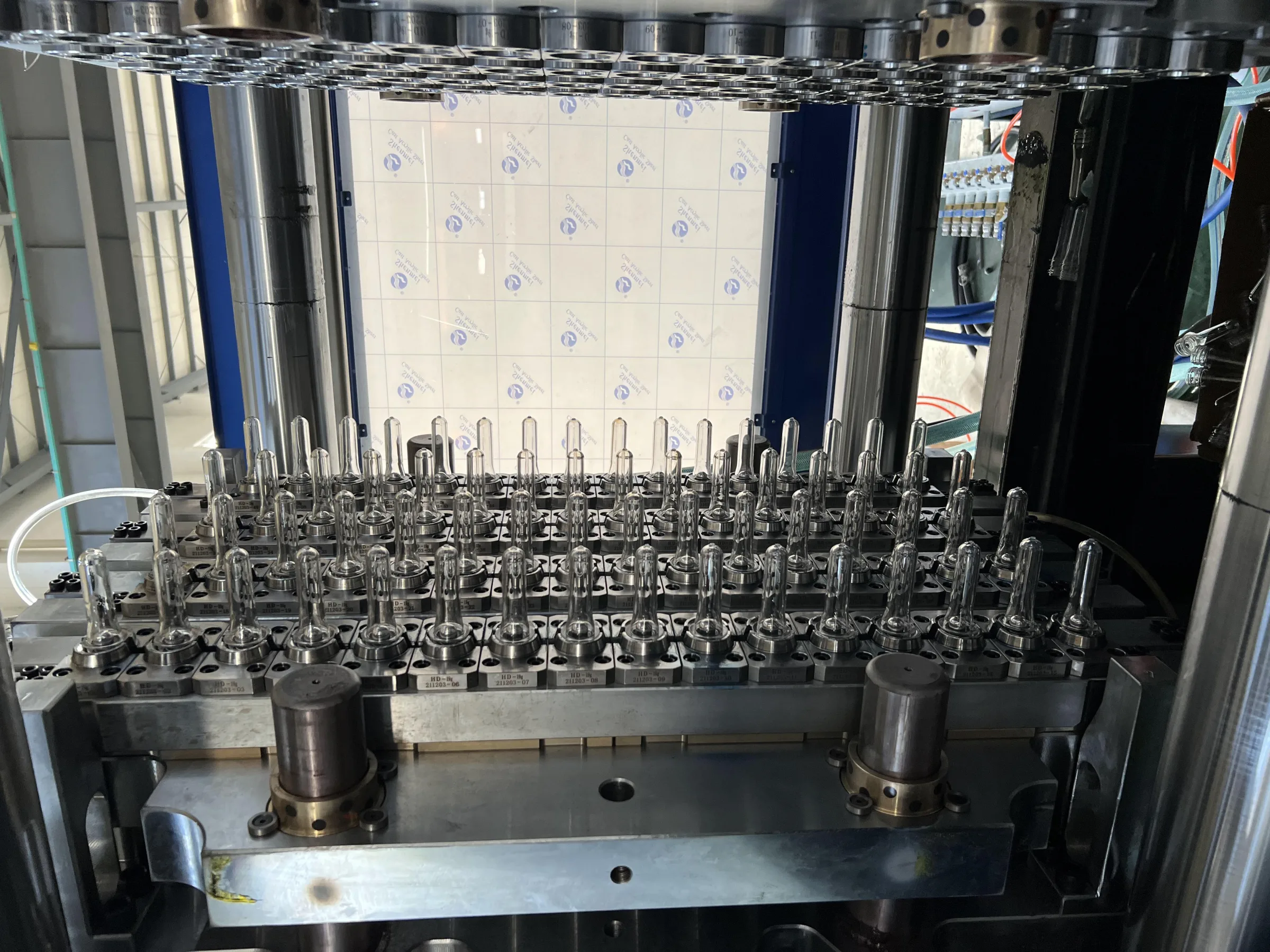
MOLD & TRIAL EVIDENCE
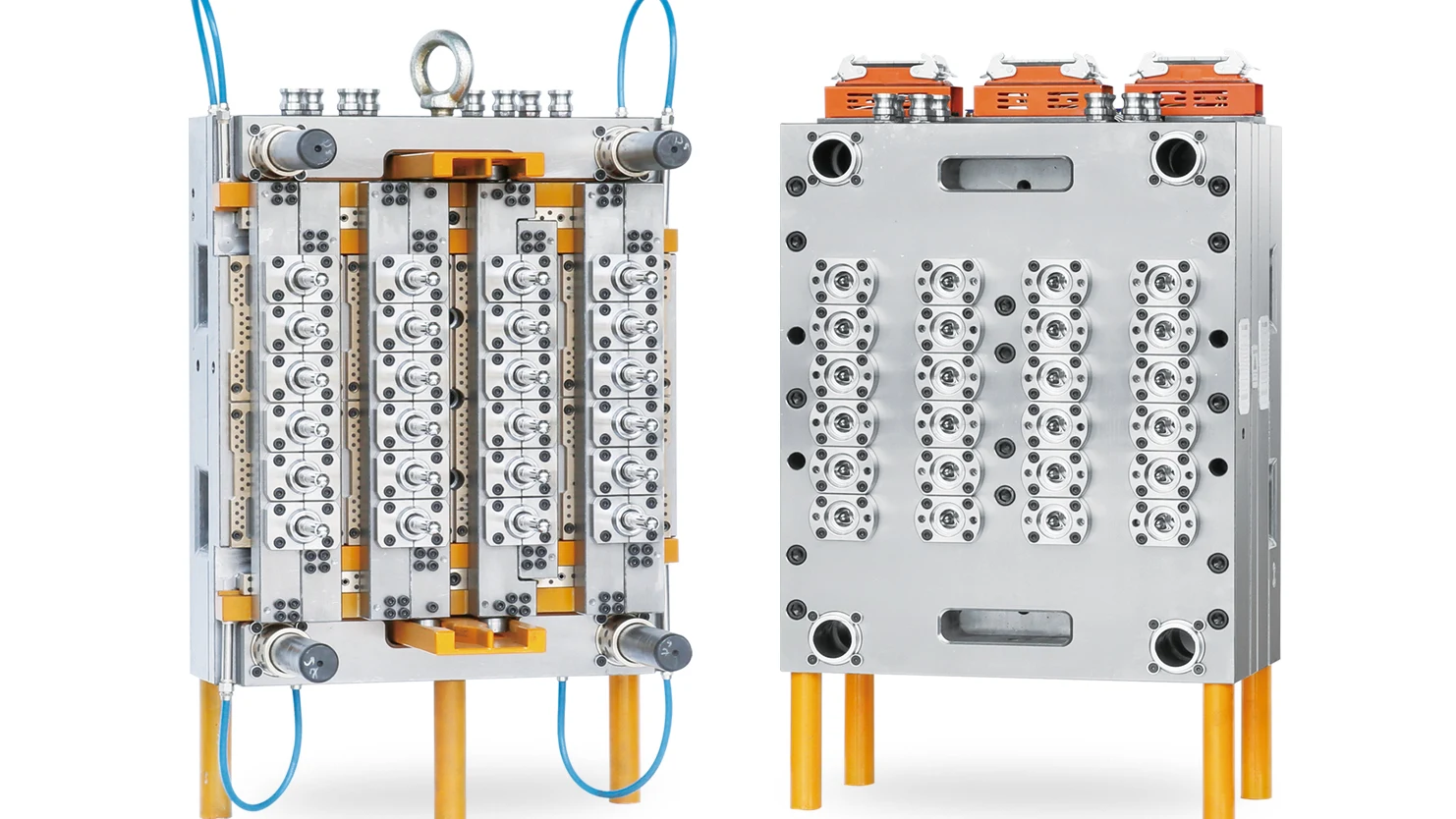
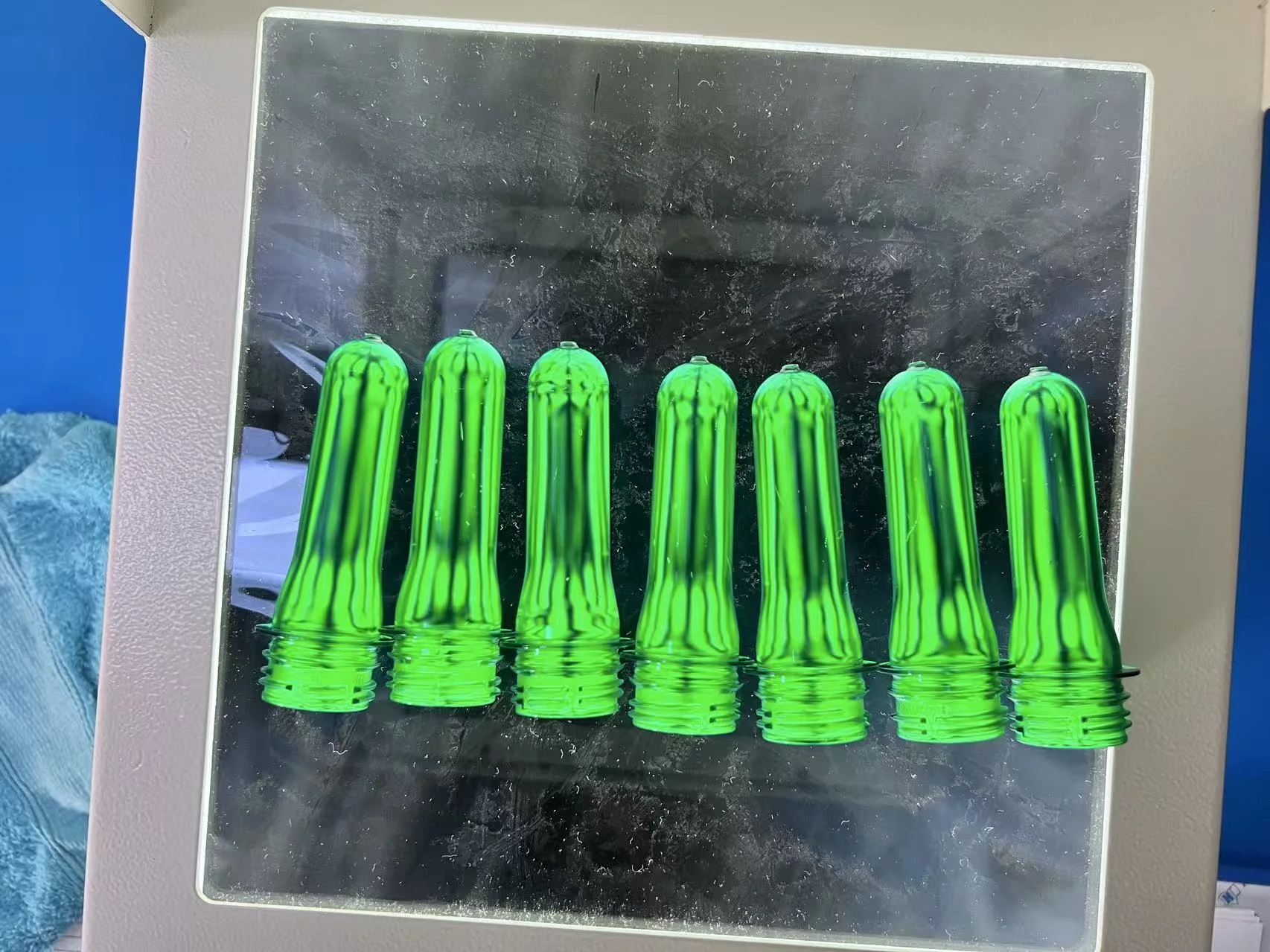
PROJECT VALIDATION
The quotation and project documents should define the responsibilities of HWAMDA, the qualified mold partner and the customer. Resin, samples, target cycle, inspection items, utilities and acceptance boundaries need to be agreed before a combined trial.
PET PREFORM MOLD CONFIGURATION
Preform drawing, sample or clear product photos
Preform weight and neck-finish standard
Preferred cavity count or required hourly output
PET resin grade, additives and color requirements
Available plant voltage, water and air utilities
Destination, installation and acceptance requirements
COMPLETE PET PRODUCTION SYSTEM
The mold is one part of a PET preform project. Machine, injection unit, drying and conveying, cooling, hot-runner control, take-out and inspection must be configured around the same preform and output target.
FAQ
It is an injection mold that forms PET preforms before the preforms are reheated and blown into final containers.
HWAMDA manufactures the injection molding machine and coordinates mold supply through qualified mold partners when a combined machine-and-mold proposal is requested.
Cavity count is reviewed from preform weight and neck finish, output target, mold construction, cooling, machine injection requirement and the overall investment scope.
The review checks the mold envelope, tie-bar and platen fit, shot requirement, injection unit, ejector, hot runner, cooling and utility interfaces.
Price depends on cavity count, neck finish, hot runner and cooling design, steel and component scope, spare parts, testing and acceptance requirements.
The quotation can define a joint trial and acceptance boundary. Required samples, resin, cycle target and quality checks must be agreed before the trial.
They define the molded geometry and help determine shot requirement, cavity layout, core and neck components, gate approach, cooling demand and the machine configuration that must be reviewed.
The suitable system depends on the preform, cavity layout, gate and control requirements. The proposal should define melt distribution, temperature-control zones, gate or valve configuration, interfaces and service scope.
Preform geometry and weight, resin, cavity count, hot-runner behavior, cooling design, water conditions, part release, machine response and the accepted quality target can all affect the validated cycle.
Provide the preform drawing or sample, weight, neck standard, resin, color, cavity or output target, available machine data, utilities, destination and the required trial and acceptance scope.
Send the information you already have. We can help structure missing technical inputs.