 HWAMDA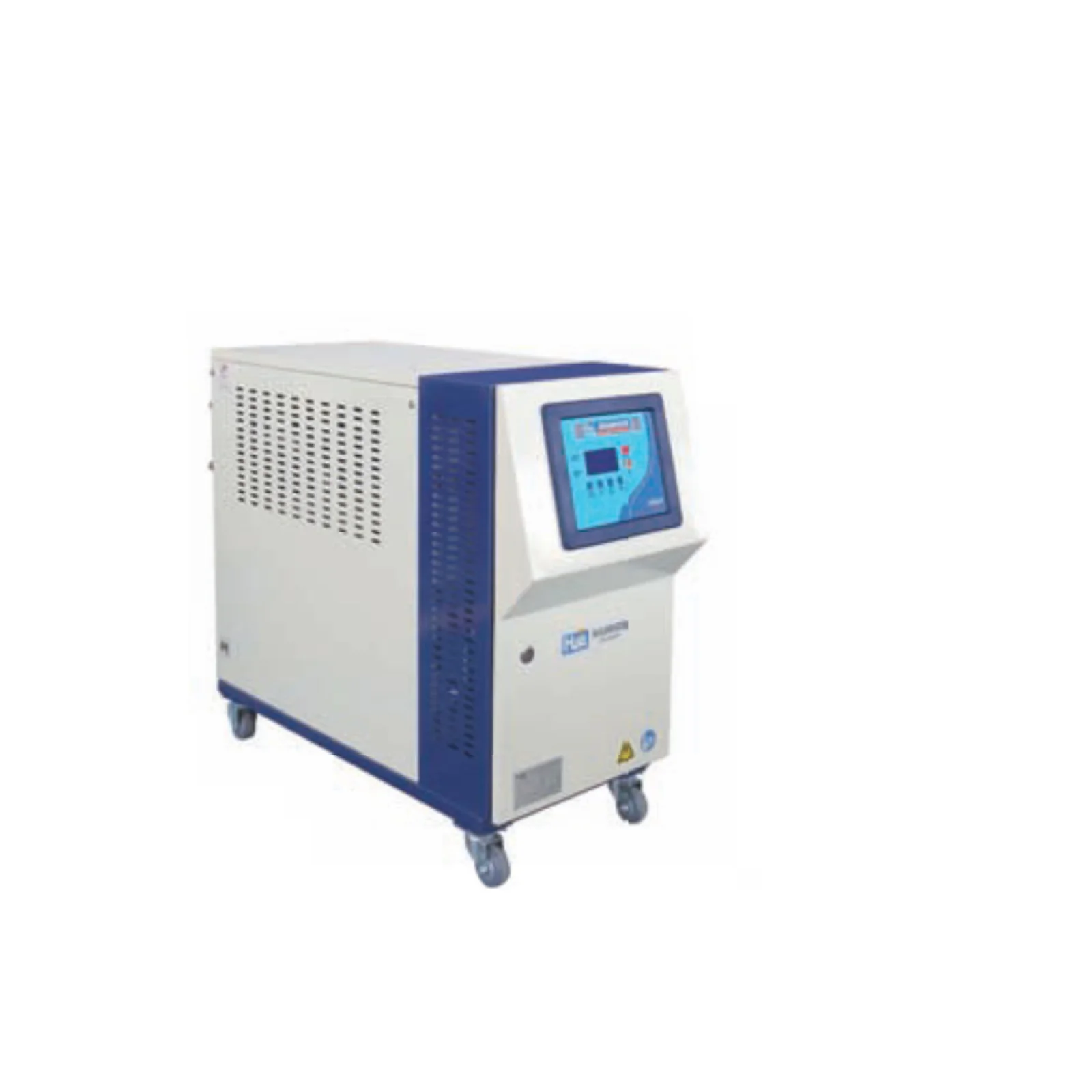
CONFIGURED INJECTION MOLDING PRODUCTION CELLS
Plastic Auxiliary Equipment for Injection Molding
Material drying, conveying, temperature control, cooling, recycling and automation equipment for configured injection molding production cells.
01 / RECOGNITION
What auxiliary equipment is used in injection molding?
Auxiliary equipment supports the material, thermal and handling functions around the injection molding machine. The required devices depend on the resin, product, mold, output and factory layout.
- 01Raw material
- 02Drying when required
- 03Loading / conveying
- 04Injection molding
- 05Temperature / cooling
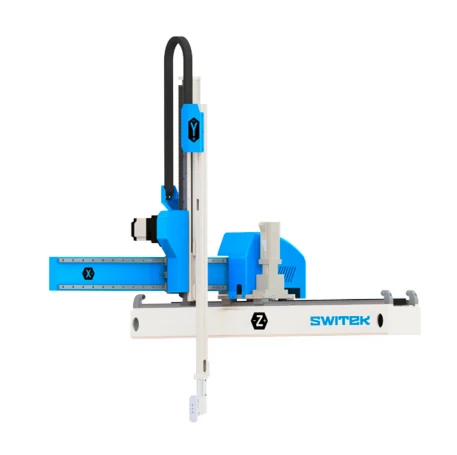
- 06Robot take-out
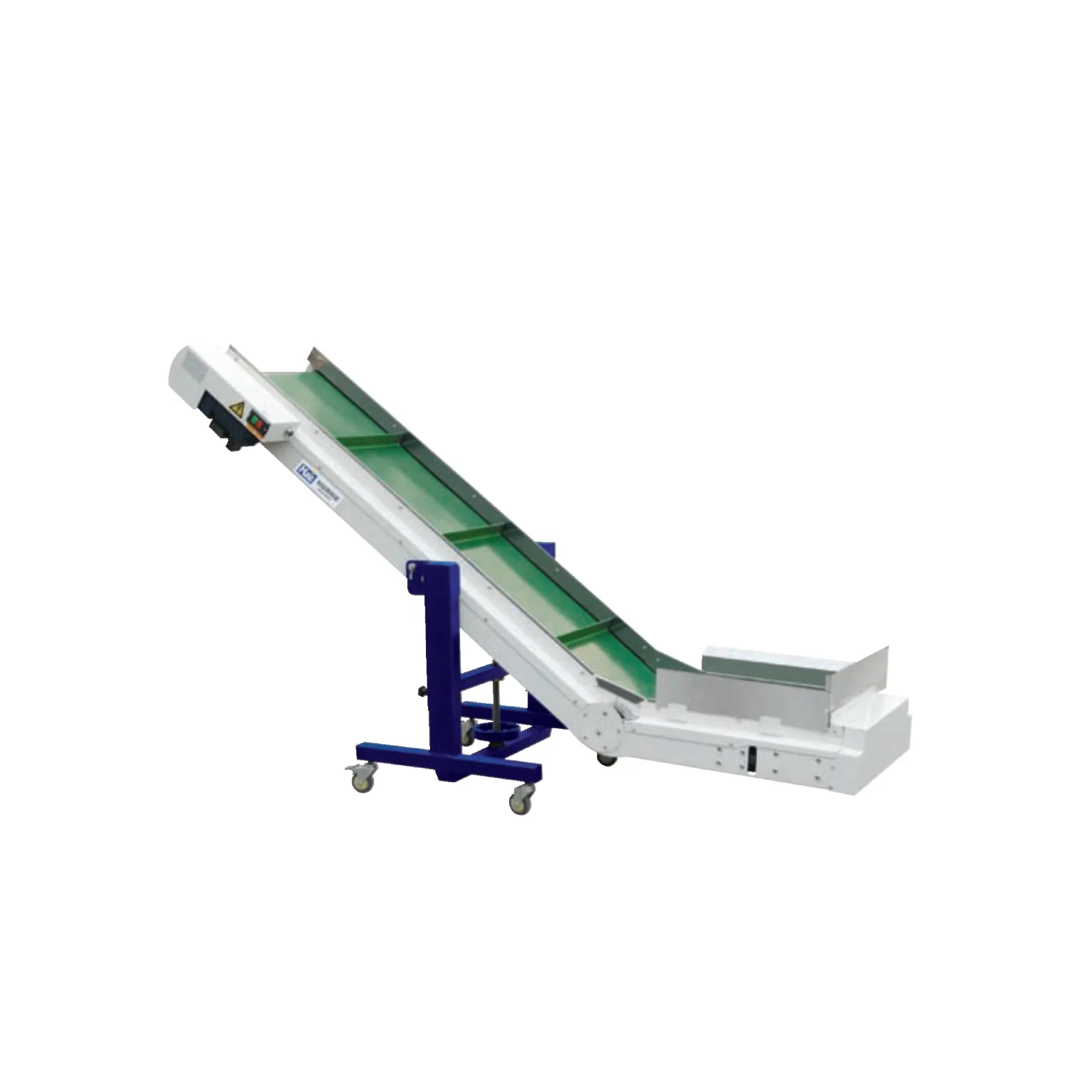
- 07Conveying / recovery
This is a system relationship, not a claim that every production cell requires every device.
02 / EQUIPMENT DISCOVERY
Choose the function your production cell needs
Each category below owns a separate purchasing task. Open the dedicated page for selection inputs and project configuration.
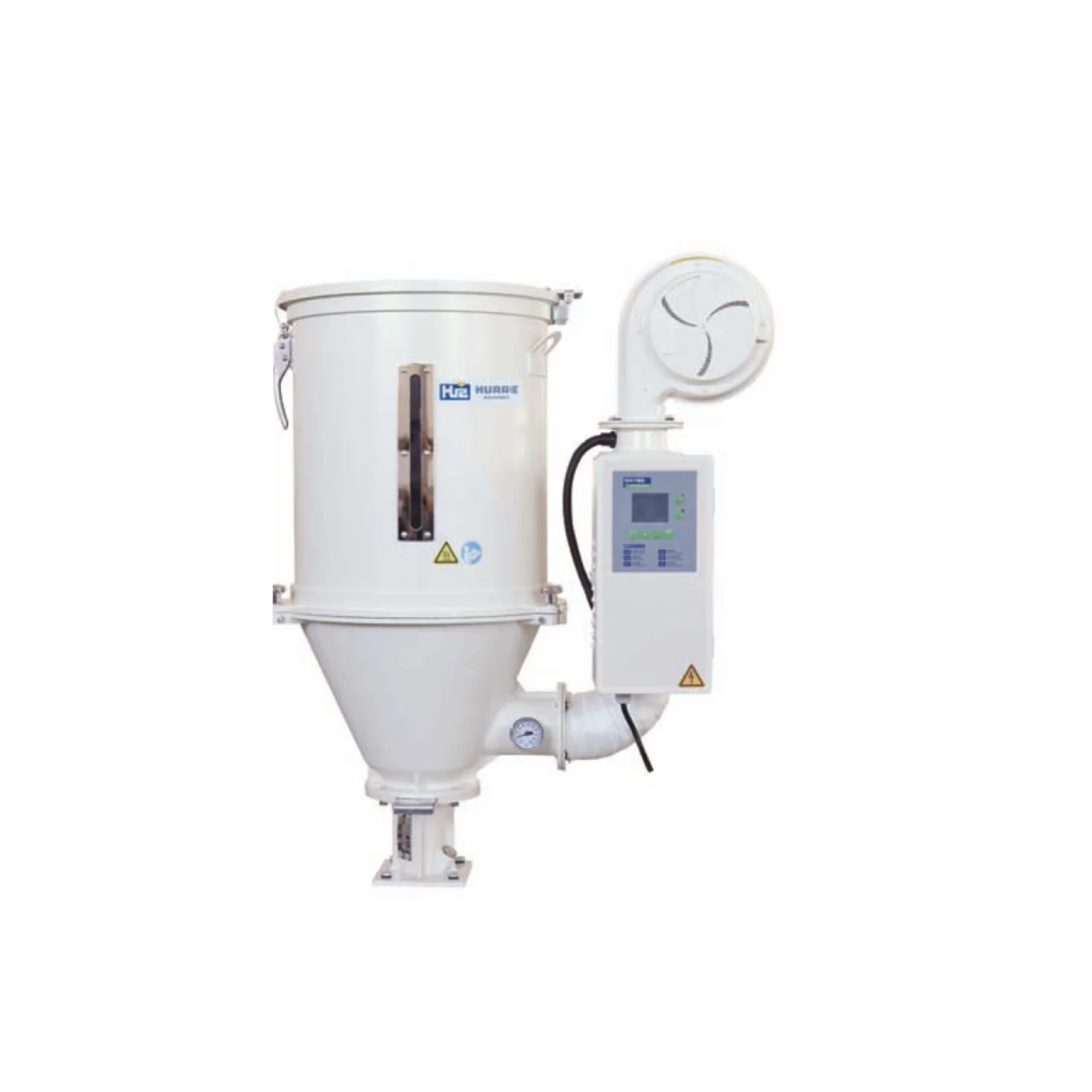
Plastic Resin Dryers
Condition resin before processing when the material requires it.
Explore equipment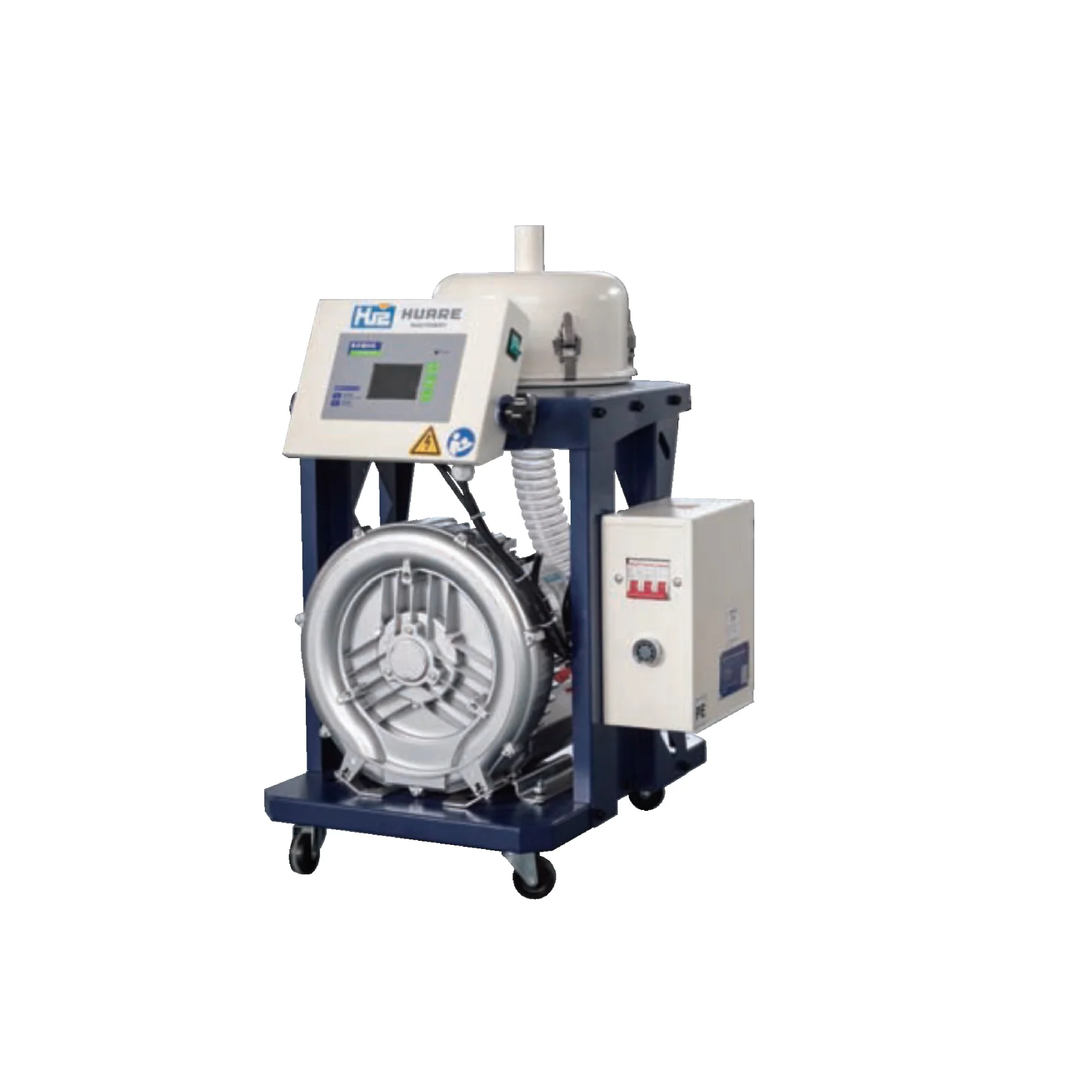
- Material storage
- Drying as required
- Material distribution
Multiple machine receivers
03 / SELECTION
Start with production inputs—not a shopping list
A useful configuration review connects the equipment duty to the actual molding project.
01Plastic material
02Molded product
03Machine model / clamping force
04Material consumption
05Drying and cooling demand
06Number of machines
07Automation requirement
08Runner / scrap volume
09Machine-side or centralized system
04 / MATERIAL HANDLING
Single-machine loading and central conveying are different systems
Choose the system boundary from the number of machines, material sources and routing requirement.
Hopper / Vacuum Loader
For one machine or a simple local resin-transfer task.
- 01Material bin or dryer
- 02Vacuum transfer
- 03Machine receiver
Central Conveying System
For multiple machines, distribution lines and coordinated material management.
- 01Storage / drying
- 02Central vacuum + piping
- 03Multiple machine receivers
05 / PRODUCTION CELL INTEGRATION
Machine + mold + auxiliary + automation
HWAMDA configures the surrounding equipment around the product, mold, machine and target production plan.
PROCESS COREInjection molding machine + matched mold
MATERIALDryer → loader or central conveying
THERMALMTC + chiller / plant water loop
HANDLINGRobot → conveyor → finished product
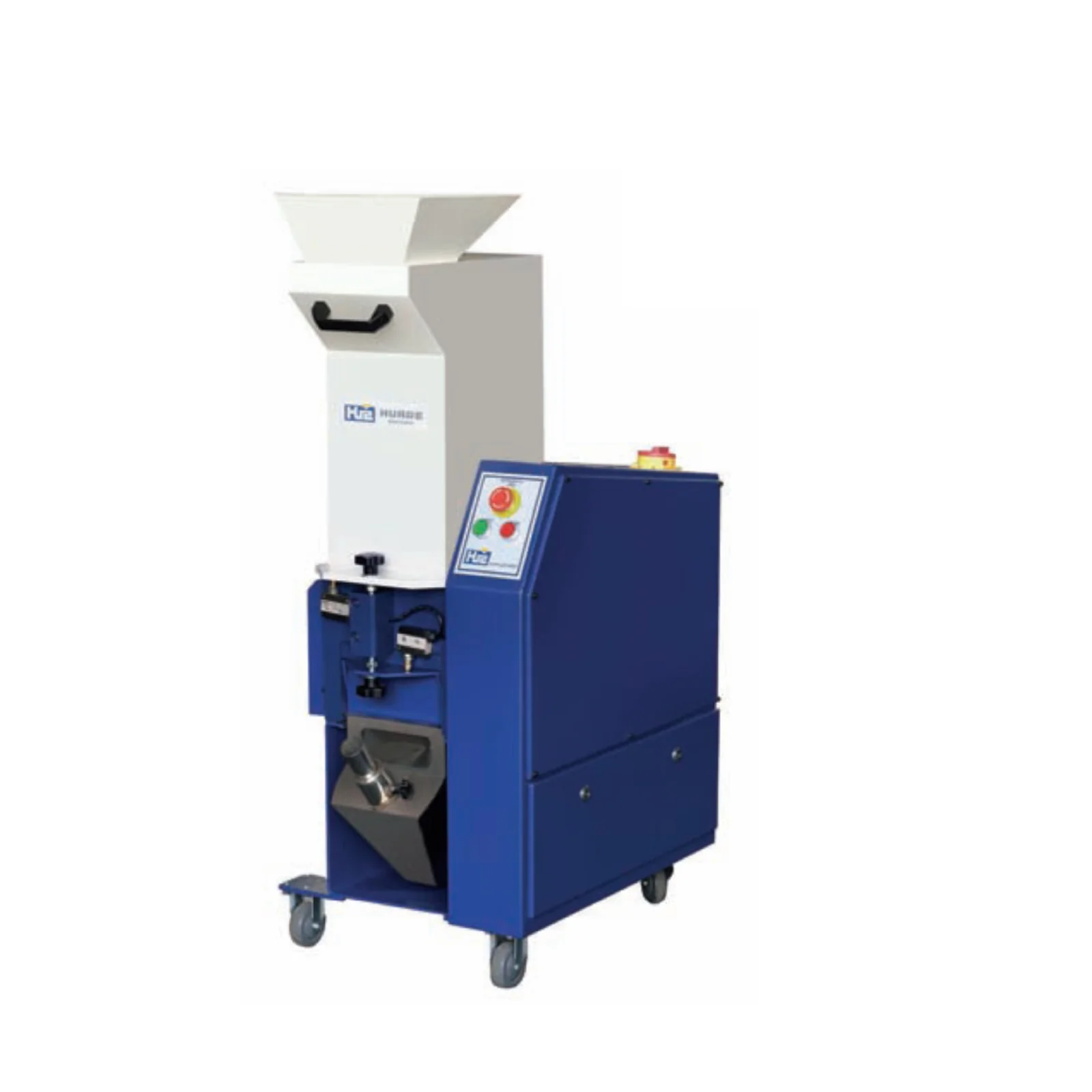
RECOVERYRunner separation → suitable granulation route
06 / APPLICATION ROUTES
Connect auxiliary equipment to the molded product
Open the application or machine page first when the production target is still being defined.
07 / BUYER QUESTIONS
Before you configure the production cell
What auxiliary equipment is needed for injection molding?
The requirement depends on the resin, product, mold, machine, output target and plant layout. Typical functions include drying, loading, temperature control, cooling, take-out, conveying and suitable scrap recovery.
What is the difference between a hopper loader and a central conveying system?
A hopper loader serves a local machine-side transfer task; a central system coordinates multiple sources, pipelines, receivers and machines.
Do all plastic materials require drying?
No. Drying must follow the resin supplier and actual process requirements.
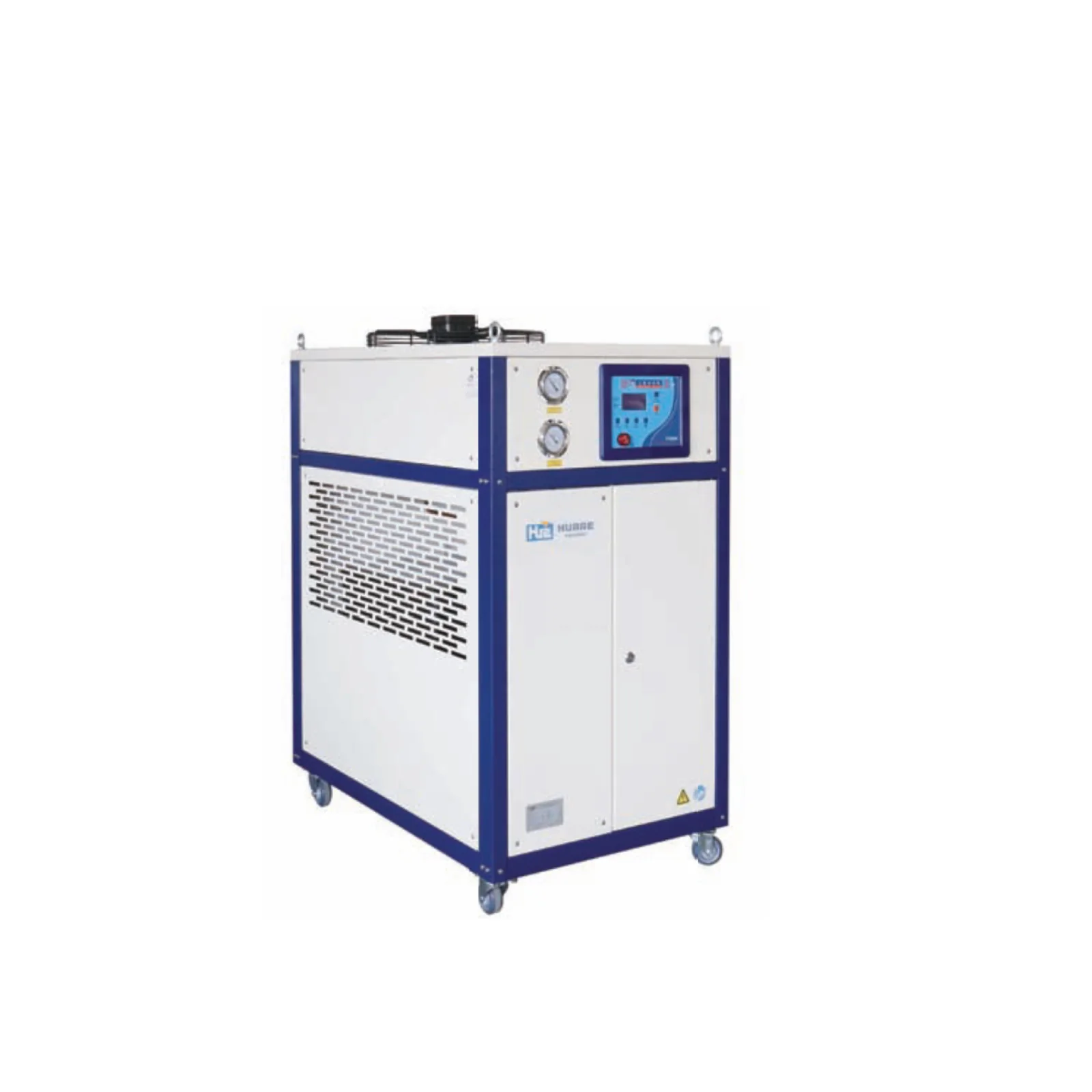
What is the difference between a mold temperature controller and a chiller?
The MTC regulates mold-side temperature while the chiller removes heat and supplies cooled water to confirmed process loads.
Can auxiliary equipment be integrated with an existing injection molding machine?
Yes, after the machine interfaces, utilities, layout, mold and production sequence are reviewed.
What is needed for a complete production-cell recommendation?
Provide the product, resin, machine or mold data, material consumption, output target, machine count, plant layout, utilities and automation requirements.
PROJECT INQUIRY
Get a Production Cell Recommendation
Send the information you already have. We will use it to identify the necessary auxiliary functions and the next engineering questions.
- Product and plastic material
- Machine and mold details
- Material consumption / target output
- Number of machines and layout
- Utilities and automation requirement
- Destination