 HWAMDA
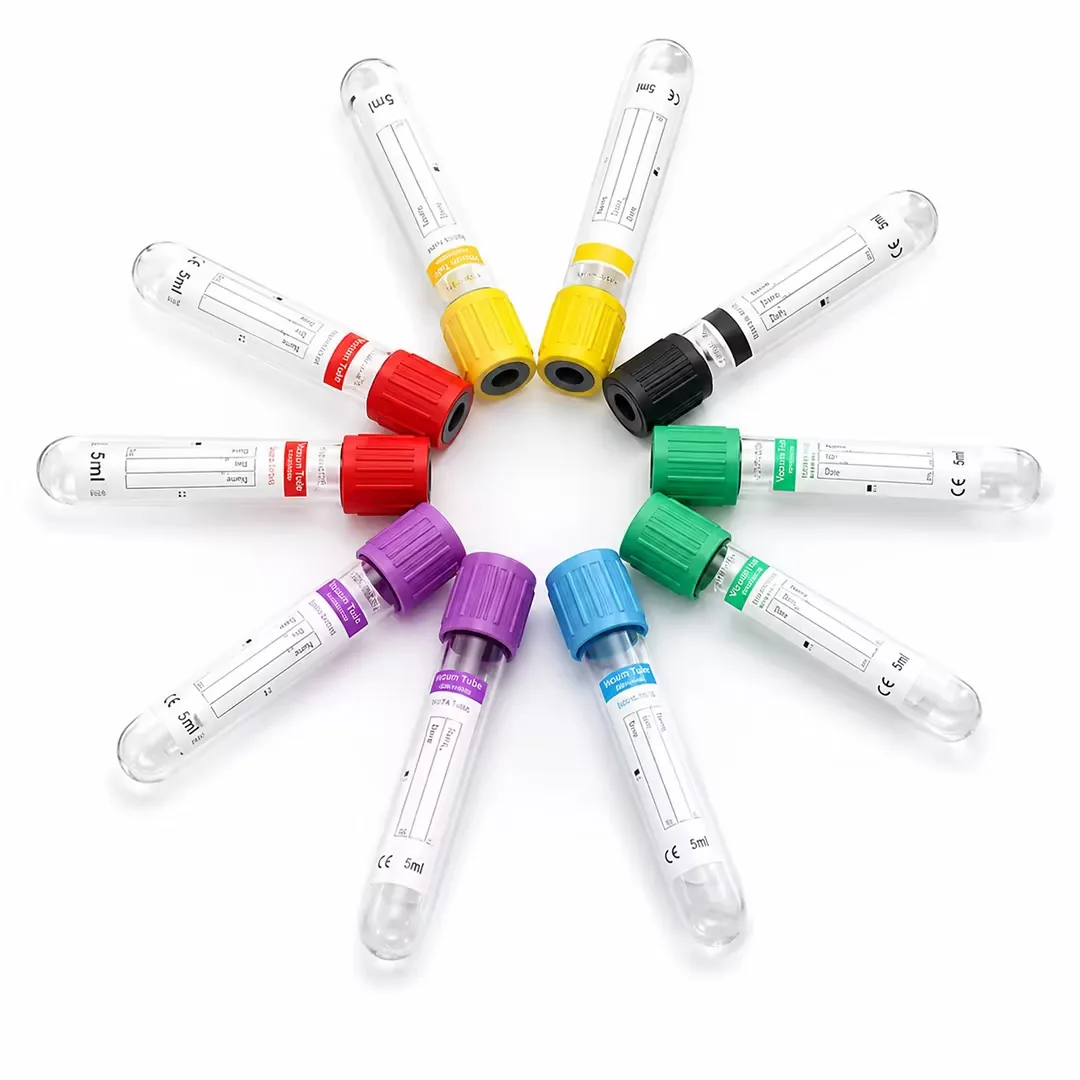
Typical medical and healthcare plastic parts
Disposable medical and laboratory products are produced in high volumes on multi-cavity molds, where small variations in shot weight or cooling show up as dimensional drift across cavities. Machine selection starts from the part family, the cavitation and the tolerance stack the assembly allows.
- Syringe barrels and plungers
- Long, thin cores and tight bore tolerances call for stable injection, balanced filling and consistent cooling across cavities.
- Caps and closures
- Small shot weights in high-cavitation molds, where shot-to-shot repeatability matters more than raw injection capacity.
- IV and tube connectors
- Luer and barb geometries need accurate sealing surfaces and clean, burr-free parting lines.
- Specimen containers and petri dishes
- Clear PS or PP parts where flatness, clarity and stack fit are checked on every lot.
- Pipette tips
- Very small parts with critical tip geometry and straightness, typically run in 16 to 96 cavity molds.
- Device housings
- ABS or PC housings with snap fits, bosses and cosmetic surfaces for diagnostic and handheld devices.
Typical materials and processing notes
| Material | Typical uses | Typical processing notes |
|---|---|---|
| PP | Syringe barrels, caps, containers, tips | Melt 200–250 °C; no drying for natural resin; watch shrinkage of 1.0–2.0% |
| PE (LDPE/HDPE) | Caps, plungers, bottles | Melt 180–240 °C; flexible grades need even cooling to limit warpage |
| PC | Connectors, housings, clear components | Dry 120 °C for 3–4 h; melt 280–320 °C; mold 80–110 °C |
| PS (GPPS) | Petri dishes, specimen containers | Melt 180–240 °C; brittle, so ejection must be balanced |
| ABS | Device housings, enclosures | Dry 80 °C for 2–4 h; melt 220–260 °C; mold 50–80 °C for gloss |
| TPE | Seals, grips, soft-touch parts | Grade dependent; often dried 60–80 °C; low melt shear preferred |
Values are typical starting points; confirm final settings with your resin supplier's datasheet.
Process requirements buyers define
Cleanroom compatibility, validation documentation and regulatory requirements are defined by the buyer's quality system. State them in the project brief so the machine configuration, auxiliary equipment and acceptance trial are planned around them.
- Dimensional stability
- Consistent shot weight, holding pressure and cycle keep critical dimensions within tolerance across all cavities.
- Clean material handling
- Closed hopper loaders, dryers and conveying lines reduce dust and contamination before the resin reaches the screw.
- Mold temperature control
- Dedicated mold temperature controllers and chillers hold mold surfaces within a narrow band for repeatable shrinkage.
- Contamination-free part handling
- Robot take-out and conveyors limit manual contact between ejection and packing.
- Documented process parameters
- Recorded setpoints and actual values give a reference process for each mold.
- Traceability
- Lot, mold and machine records link finished parts back to production conditions.
Machine selection inputs
For general precision medical and labware parts, the M8SII servo-hydraulic series is the usual starting point, with 25 models from 900 to 33,000 kN and several injection-unit options per model, so the screw can be matched to the actual shot.
- Cavitation
- Mold size and cavity count set tie-bar spacing, platen size and clamp force more often than the part itself.
- Shot utilization
- A typical target is 20–80% of barrel capacity; small shots in a large barrel increase residence time and degradation risk.
- Cycle
- Thin parts may cycle in 6–12 s, so cooling capacity and take-out timing need to be planned with the machine.
- All-around precision
- Repeatable injection, clamp parallelism and stable oil temperature together determine cavity-to-cavity consistency.
Project brief checklist
- Part data
- Drawings or 3D files, part weight, wall thickness and critical dimensions.
- Material
- Resin grade, colorant and any additive or regrind limits.
- Mold
- Cavity count, mold dimensions, hot runner details and ejection layout.
- Output
- Target cycle time and annual or hourly volume.
- Environment and quality
- Cleanroom class, documentation and acceptance requirements from your quality system.
- Automation
- Take-out, inspection, counting and packing needs.
FAQ
Frequently asked questions
Which HWAMDA machine fits medical disposables?
For general precision parts such as caps, containers, connectors and housings, the M8SII servo-hydraulic series is the usual recommendation. Clamp force and injection unit are selected from the mold size, cavitation and shot weight.
Can the machine be used in a cleanroom production area?
Cleanroom class and related requirements are defined by your quality system. Include them in the project brief so the configuration, auxiliary equipment and acceptance trial are planned around them.
How do I choose the injection unit for small medical parts?
Size the unit so the total shot, including runners, uses roughly 20–80% of barrel capacity. Use the shot size calculator to check the fit before requesting a quote.
What auxiliary equipment is typically needed?
Most projects use dryers for PC and ABS, closed hopper loaders, mold temperature controllers, chillers and a robot for take-out. These can be supplied and configured with the machine.
Can the machine be tested with our mold before shipment?
Yes. A factory trial before shipment can be arranged against the acceptance requirements agreed in the project, with the mold and material defined in the brief.