 HWAMDA

Resources
PET Preform Cost Calculator
Calculate the cost per 1,000 PET preforms from preform weight, cavities, cycle time, resin price, energy, labor and equipment investment, in USD.
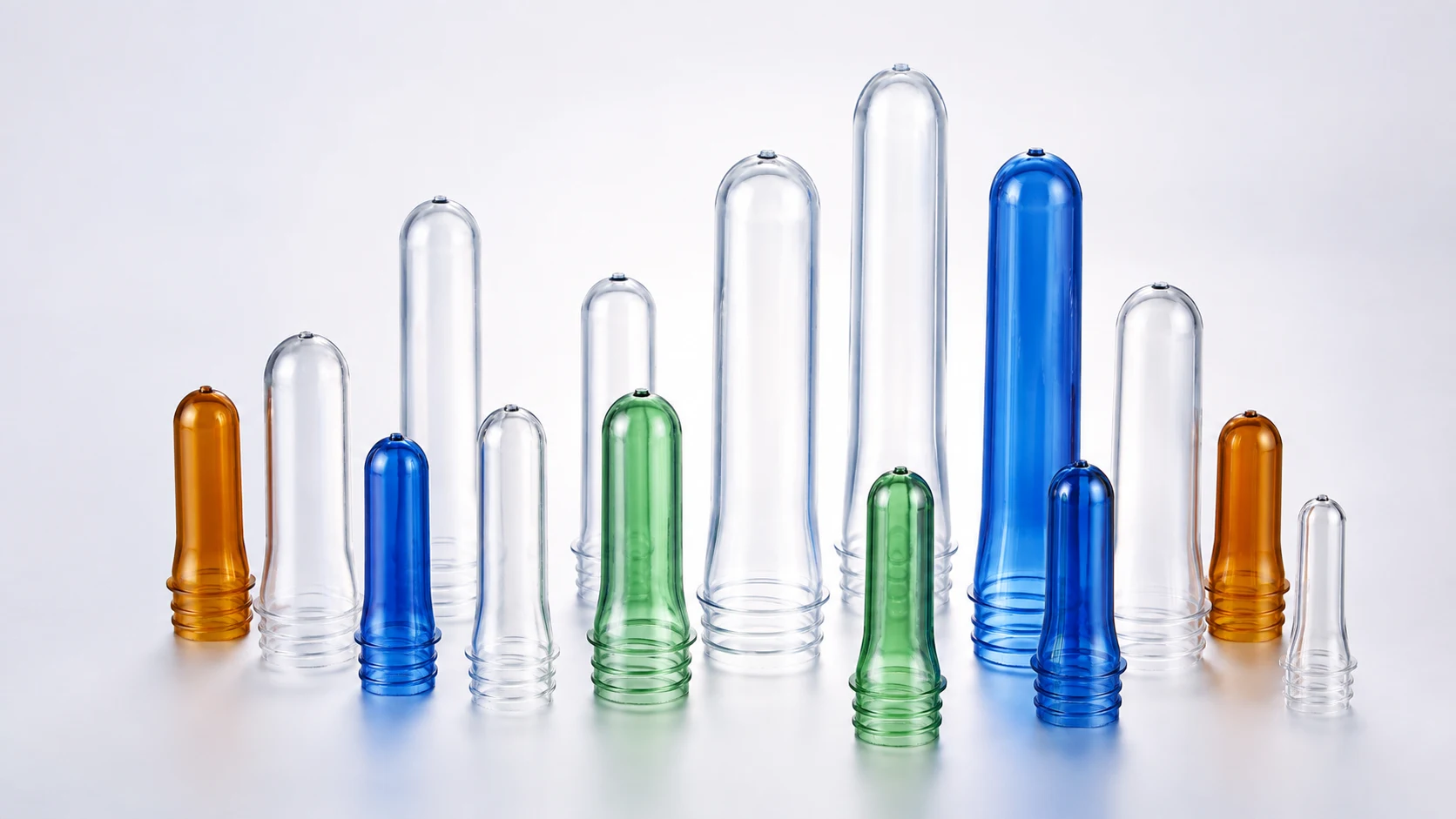
How to use the PET preform cost calculator
The cost of a PET preform is mostly resin, then energy, labor and the equipment itself. Enter your preform weight, cavity count and cycle time, then your resin price, electricity price and labor cost. The calculator returns the cost per 1,000 good preforms in USD and shows how much each item contributes.
The equipment investment field is empty on purpose. Enter the total of your machine, mold and auxiliary quotation with a depreciation period to include it, or leave it empty to see the running cost only.
The formula
Preforms per hour = cavities × 3,600 ÷ cycle time (s). Good preforms per hour = preforms per hour × (1 − reject rate).
PET throughput (kg/h) = preforms per hour × preform weight (g) ÷ 1,000.
Hourly cost = resin (throughput × resin price per kg) + energy (throughput × kWh/kg × electricity price) + labor per hour + depreciation (investment ÷ depreciation years ÷ operating hours per year).
Cost per 1,000 preforms = hourly cost ÷ good preforms per hour × 1,000.
Starting values and where they come from
| Input | Starting value | Where it comes from |
|---|---|---|
| Preform weight, cavities, cycle time | 16.5 g, 72 cavities, 9.9 s | Recorded on an HMD430PET in a customer mold trial |
| PET resin price | 1,000 USD/t | Example value. Use your delivered resin price |
| Reject rate | 1% | Example value. Use your own plant figure |
| Energy use of the line | 0.46 kWh/kg | Published average for modern preform injection systems (range 0.42 to 0.50 kWh/kg, PETnology) |
| Electricity price | 0.10 USD/kWh | Example value. Use your local tariff |
| Labor cost per hour | 10 USD/h | Example value for all operators on the line |
| Operating hours per year | 7,000 h | Example value. Use your shift plan |
| Equipment investment | Empty | From your quotation: machine, mold and auxiliaries |
Results are planning estimates before packaging, freight, rent, maintenance and financing.
Worked example
With the starting values, 72 cavities at a 9.9 s cycle give about 26,180 preforms per hour, or 25,920 good preforms at a 1% reject rate. At 16.5 g each, the line uses 432 kg of PET per hour. Resin costs 432 USD per hour, energy about 19.87 USD and labor 10 USD, so the running cost is about 17.82 USD per 1,000 preforms. Resin is about 94% of it.
Because resin dominates, preform weight matters most. A preform 1 g lighter saves about 26 kg of PET per hour on this setup, or about 183 tonnes over 7,000 hours: roughly 183,000 USD per year at 1,000 USD/t. Every 1,000,000 USD of equipment investment depreciated over 5 years adds about 1.10 USD per 1,000 preforms.
What drives the cost per preform
- Preform weight and resin price
- Resin is the largest item in almost every case. Lightweighting and resin purchasing change the result more than any other input.
- Cycle time and cavities
- More preforms per hour spread labor and depreciation over more parts. They do not change the resin cost per preform.
- Energy
- Drying, plasticizing and cooling use most of the energy. The dryer, chiller and compressed-air setup decide the kWh/kg of the whole line.
- Rejects and uptime
- Rejected preforms still consume resin and energy. Stable drying, mold cooling and take-out keep the reject rate low.
Next steps
To turn the estimate into a project, match the preform weight and cavity count to a machine. The HMD-PET reference configurations list recorded cycles by model, preform weight and cavity count.
Send your preform drawing, target output and resin to HWAMDA for a machine–mold matching review and a quotation.
FAQ
Frequently asked questions
How do you calculate the cost per PET preform?
Add the hourly cost of resin, energy, labor and depreciation, then divide by the good preforms produced per hour. Resin cost is the PET throughput in kg/h times the resin price per kg; throughput is cavities × 3,600 ÷ cycle time × preform weight.
What share of the preform cost is resin?
Usually the largest by far. In the example on this page (16.5 g, 72 cavities, 9.9 s, resin at 1,000 USD/t) resin is about 94% of the running cost before depreciation.
How much energy does a PET preform line use?
Published figures for modern preform injection systems are about 0.42 to 0.50 kWh per kg of PET. The actual value depends on the dryer, chiller, compressed air and how fully the line is loaded, so measure it at your plant when you can.
Does the calculator include the machine and mold price?
Yes, when you enter them. Put the total of your quotation in the equipment investment field with a depreciation period. HWAMDA quotes each PET preform project FOB Ningbo with every item listed.
Discuss your production requirement
Send the information you already have. We can help structure missing technical inputs.