 HWAMDA
Reusable plastic crates
Share the outside dimensions, product weight, material, stacking or load requirements and mold status.
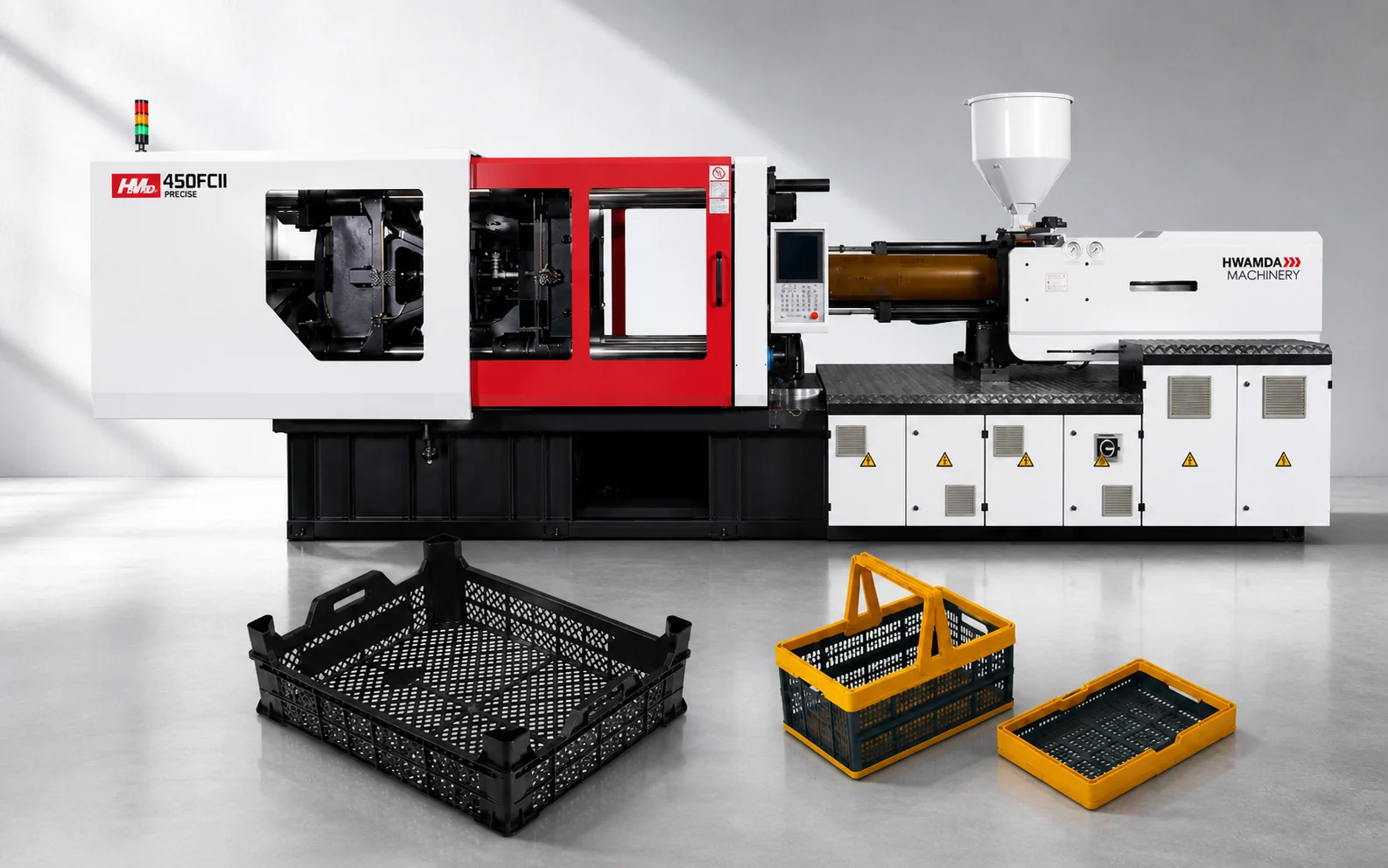
FCII CRATE & BASKET SERIES
Tell us your crate or basket size, weight and target output, and we recommend the FCII model that fits. Six models from 3,200 to 7,000 kN, built for crate production.
PRODUCT FIT
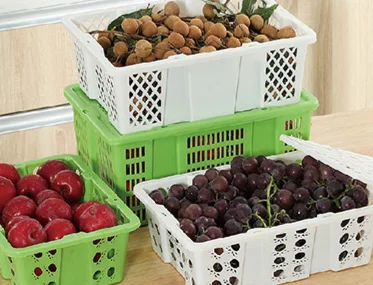
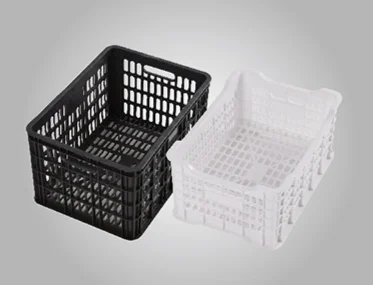
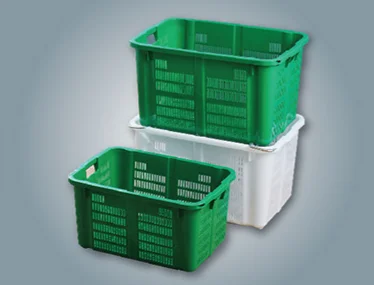
Crates and baskets can be evaluated within the same FCII equipment series. The final machine, injection unit and mold interface still depend on the exact product.
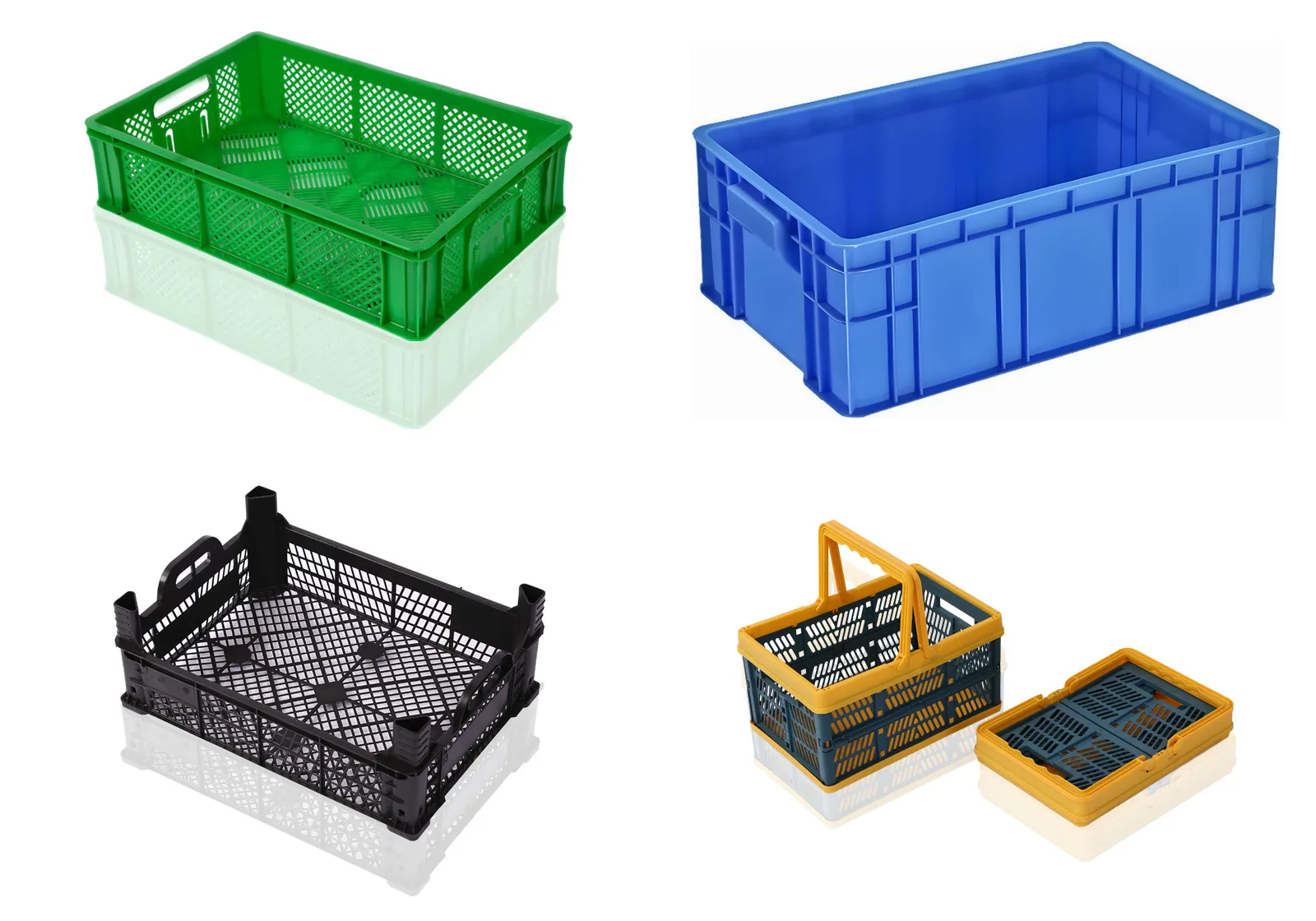
Share the outside dimensions, product weight, material, stacking or load requirements and mold status.
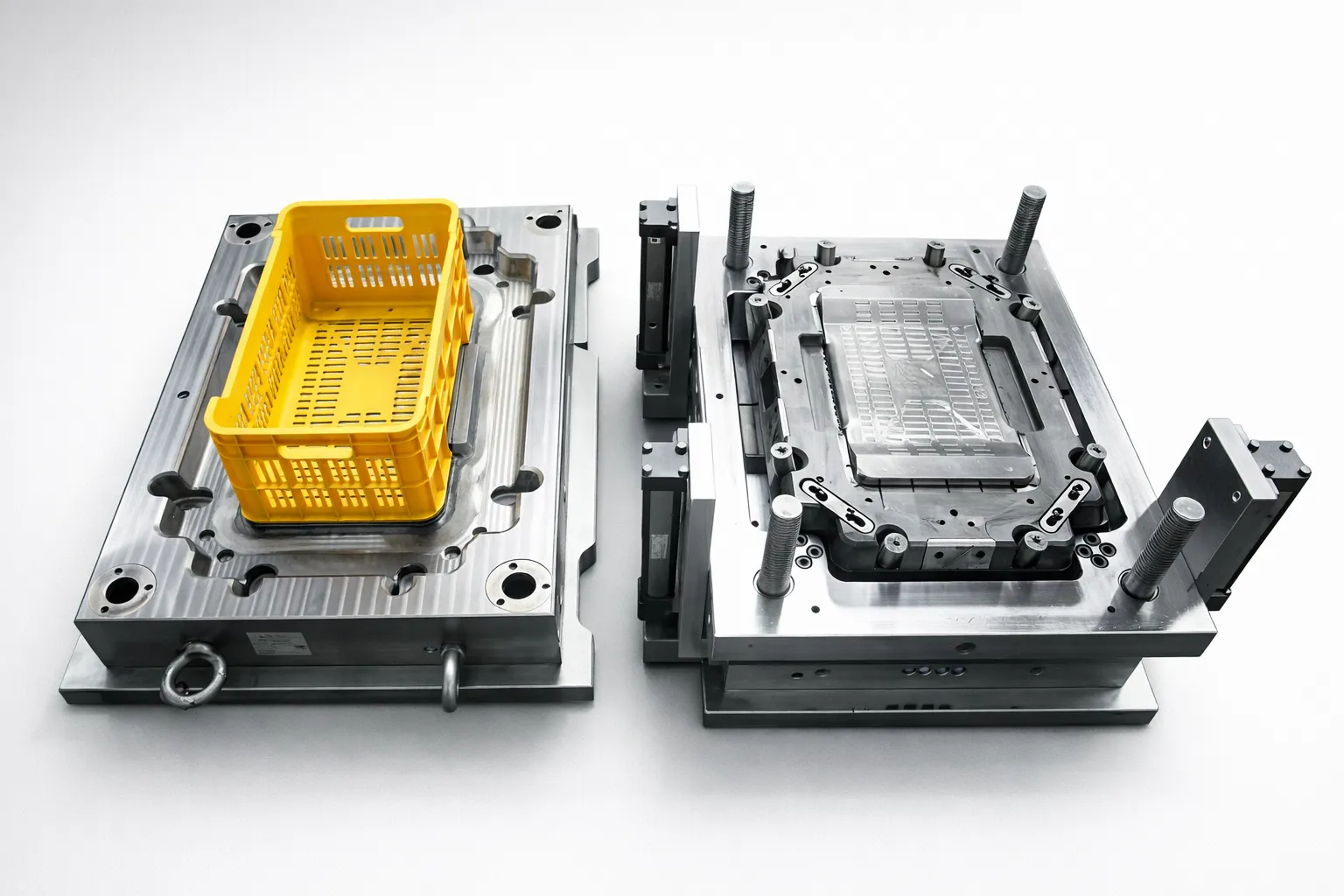
Open-wall geometry, rigidity targets, filling demand, ejection and part handling must be reviewed together.
Handle geometry, basket depth, mold actions and removal method can change the required configuration.
WHY FCII FOR CRATES
FCII is HWAMDA’s dedicated fruit-crate injection molding machine. Its clamping, plasticizing, control and hydraulic units are configured for crate molds and stable, fast cycles.
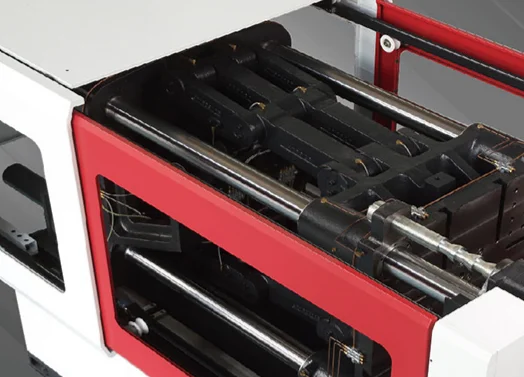
Rigid platens refined with finite-element analysis deform less and last longer. High-grade alloy steel tie bars resist breakage.
An extra-long mold opening stroke is designed for crate molds and meets in-mold labeling requirements.
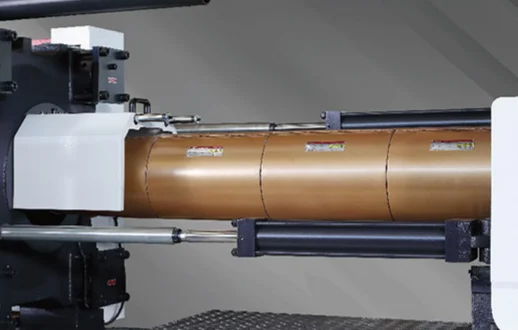
A dedicated hydraulic plasticizing motor handles higher plasticizing pressure and speed with a longer service life. Electric plasticizing is available as an option to charge during mold movement and shorten the cycle.
A bimetallic screw and barrel developed for crate materials raise plasticizing capacity and shorten the molding cycle. Nano-infrared heater bands are standard for efficient heating.
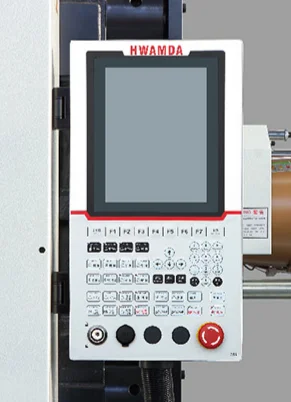
The INOVA controller gives precise, fast control. Solid-state relays and a hydraulic safety valve are standard, together with thermal main-switch and plug protection.
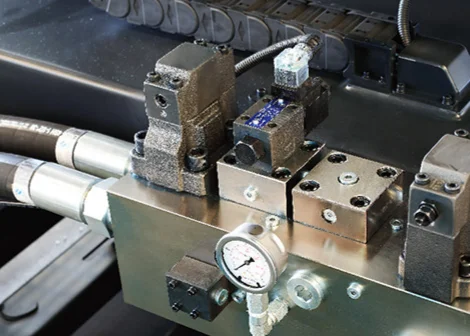
The servo control system reduces energy use. Main models support simultaneous mold opening and core pulling to shorten the cycle, and a proportional clamping valve gives smooth, fast mold movement.
FCII MODEL RANGE
Compare six FCII configurations. Model selection starts with your crate or basket, its mold and production requirements.
Product drawing or clear photos
Dimensions and target weight
Material and supplier grade
Mold drawing or interface data
Target cycle or hourly output
Part removal and automation needs
| Model | Clamping force | PS reference shot weight | Action |
|---|---|---|---|
| HMD320FCII | 3,200 kN | 1,306 g | Discuss this model |
| HMD370FCII | 3,700 kN | 1,858 g | Discuss this model |
| HMD450FCII | 4,500 kN | 2,460–2,740 g | Discuss this model |
| HMD530FCII | 5,300 kN | 2,460–2,740 g | Discuss this model |
| HMD580FCII | 5,800 kN | 3,216–3,544 g | Discuss this model |
| HMD700FCII | 7,000 kN | 3,890 g | Discuss this model |
Shot weights are theoretical PS values from the FCII catalog. For PP and HDPE crates, the usable shot weight is calculated from the resin during model selection.
DETAILED SPECIFICATIONS
Full specifications for all six FCII models. Where a model offers two injection-unit options, both values are shown.
| Parameter | Unit | HMD320FCII | HMD370FCII | HMD450FCII | HMD530FCII | HMD580FCII | HMD700FCII |
|---|---|---|---|---|---|---|---|
| Injection unit | |||||||
| International size rating | 1930/320 | 2674/370 | 3730/450 | 3730/530 | 4877/580 | 5300/700 | |
| Screw diameter | mm | 75 | 85 | 90 / 95 | 90 / 95 | 100 / 105 | 110 |
| Theoretical injection volume | cm³ | 1435 | 2042 | 2703 / 3011 | 2703 / 3011 | 3534 / 3895 | 4274 |
| Injection weight (PS) | g | 1306 | 1858 | 2460 / 2740 | 2460 / 2740 | 3216 / 3544 | 3890 |
| Injection rate (PS) | g/s | 543 | 714 | 691 / 769 | 796 / 887 | 945 / 1042 | 1059 |
| Injection pressure | MPa | 134 | 131 | 138 / 124 | 138 / 124 | 138 / 125 | 122 |
| Screw L/D ratio | 21.6:1 | 20:1 | 21:1 / 20:1 | 21:1 / 20:1 | 21:1 / 20:1 | 20:1 | |
| Screw stroke | mm | 325 | 360 | 425 | 425 | 450 | 450 |
| Screw speed | r/min | 0–200 | 0–152 | 0–195 | 0–225 | 0–170 | 0–150 |
| Clamping unit | |||||||
| Clamping force | kN | 3200 | 3700 | 4500 | 5300 | 5800 | 7000 |
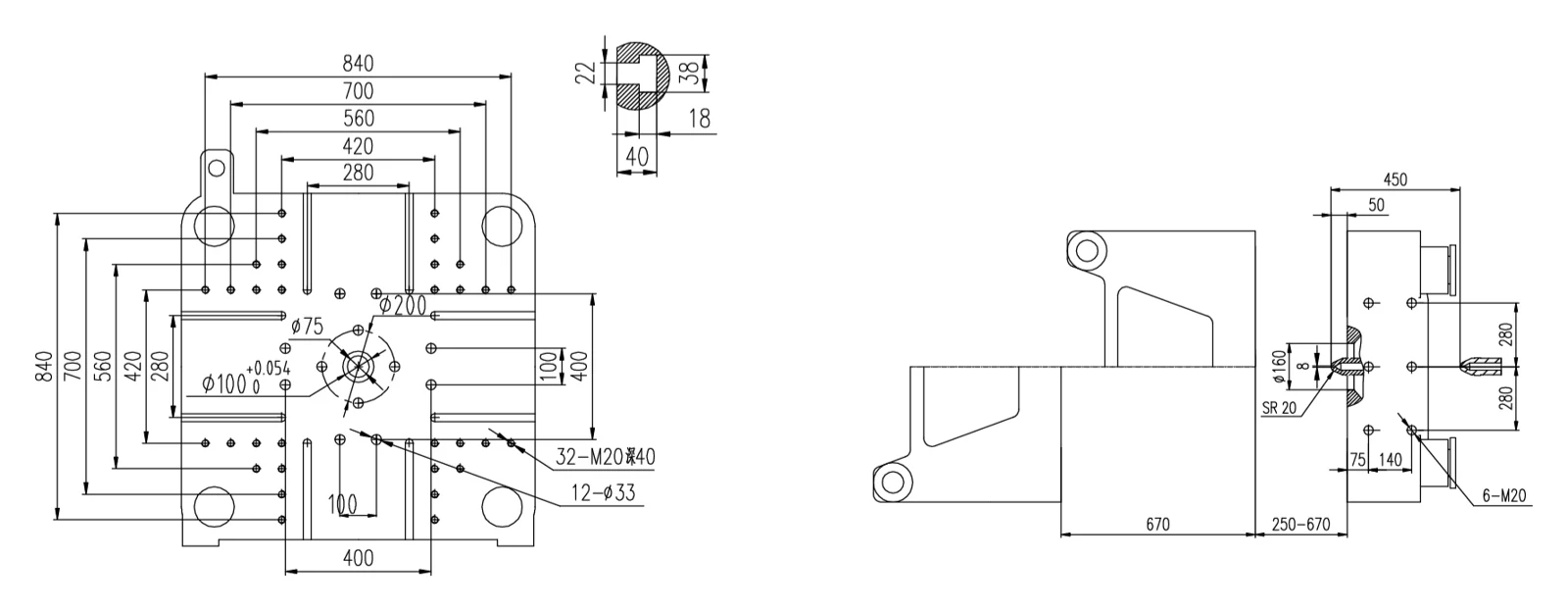
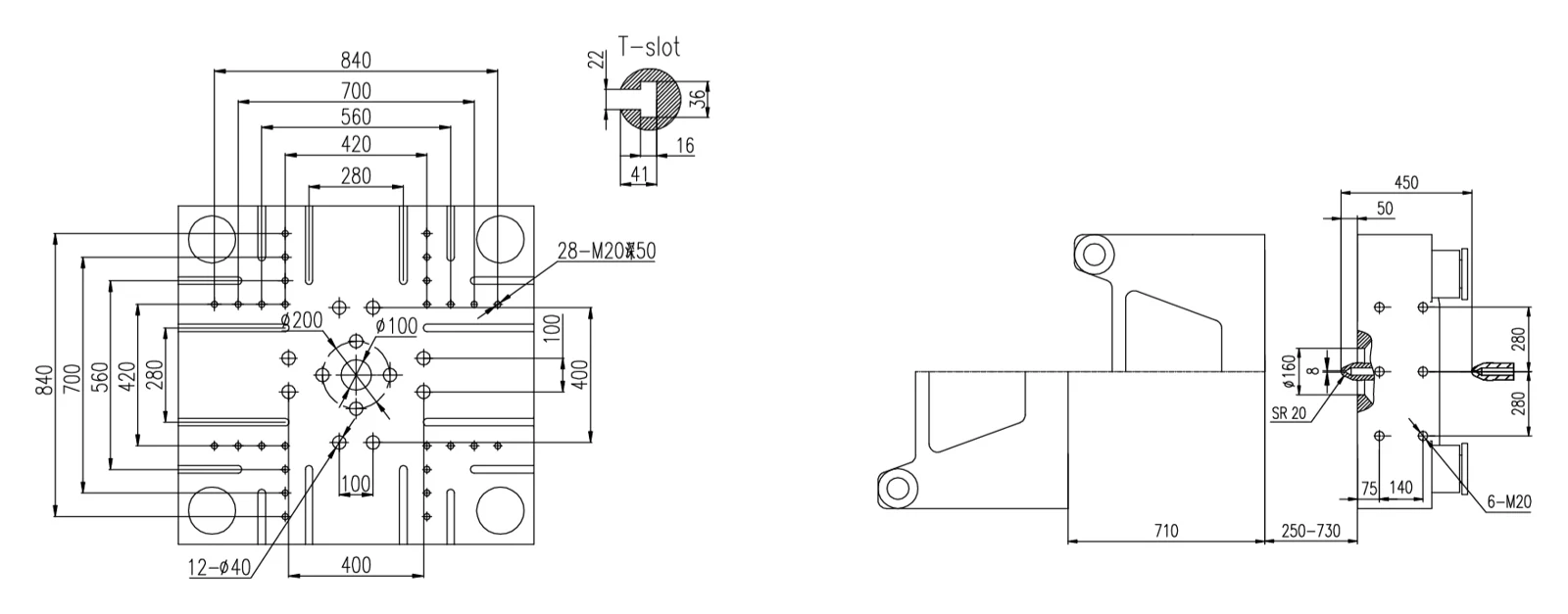
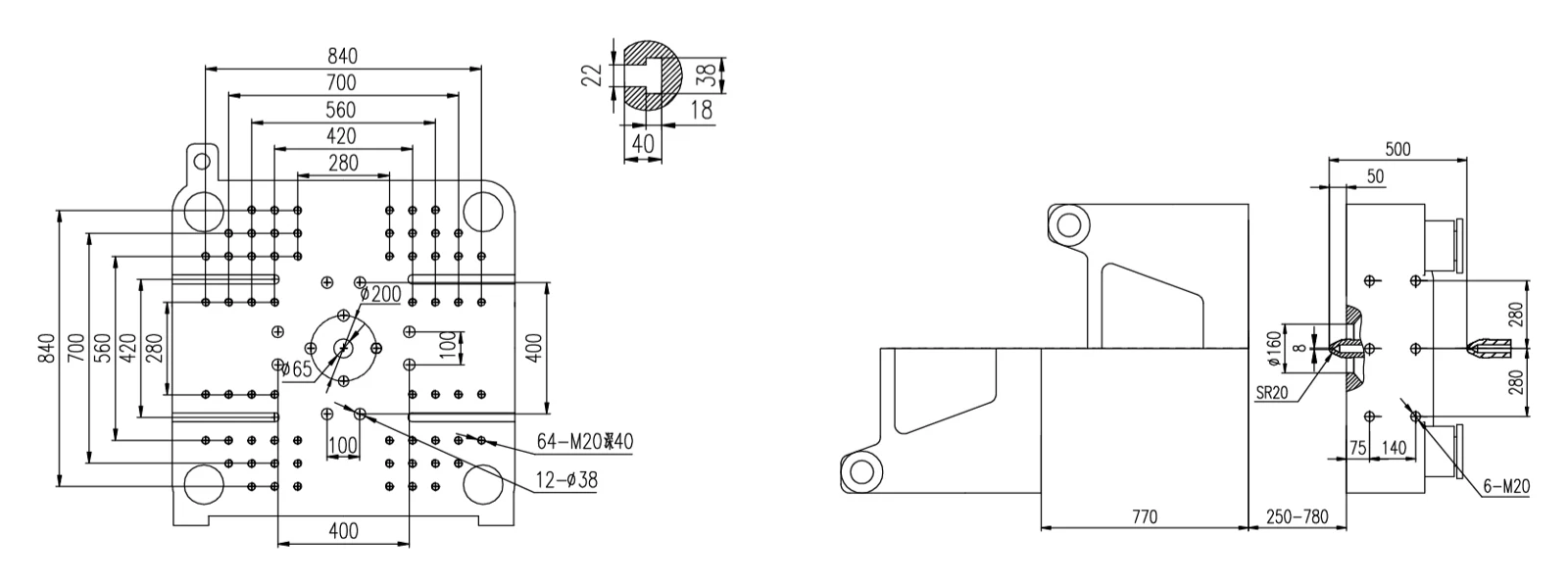
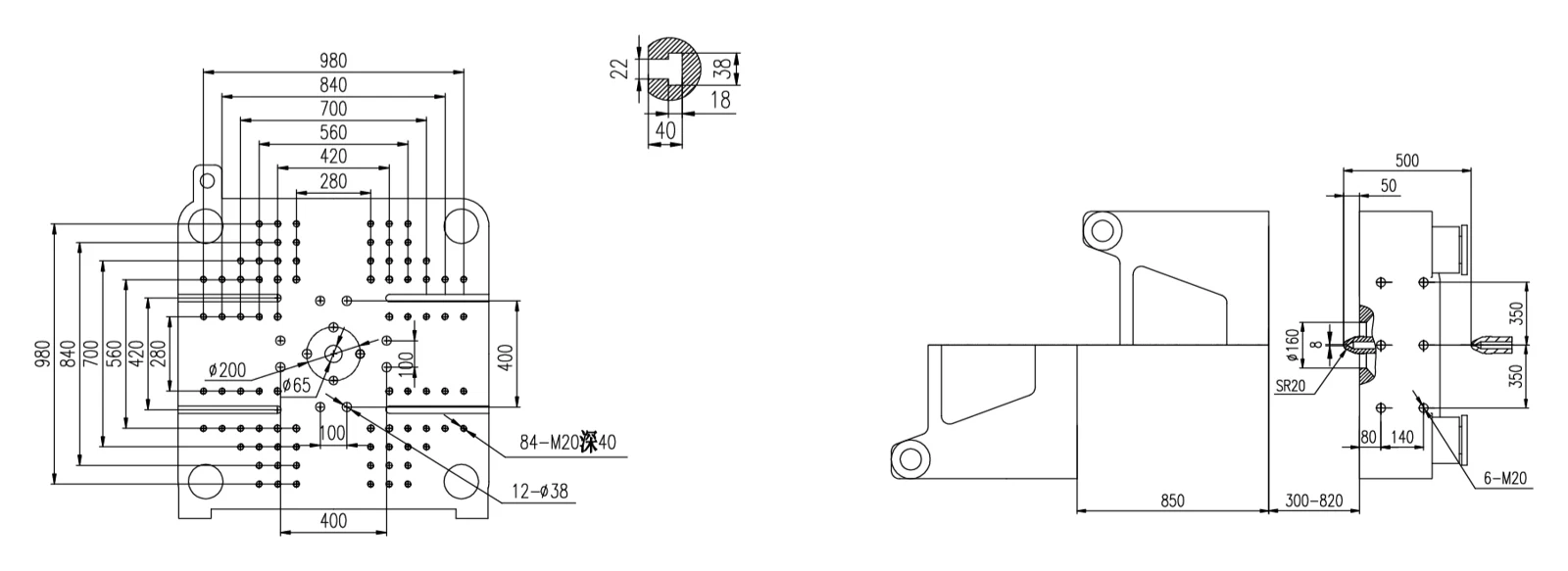
| Mold opening stroke | mm | 670 | 710 | 770 | 850 | 870 | 970 |
| Platen size | mm | 960 × 960 | 1055 × 1005 | 1052 × 1062 | 1123 × 1143 | 1180 × 1210 | 1325 × 1345 |
| Distance between tie bars (H × V) | mm | 680 × 680 | 730 × 680 | 770 × 740 | 820 × 800 | 870 × 840 | 970 × 930 |
| Maximum daylight | mm | 1340 | 1440 | 1550 | 1670 | 1700 | 1930 |
| Mold thickness (min–max) | mm | 250–670 | 250–730 | 250–780 | 300–820 | 300–830 | 350–960 |
| Ejector stroke | mm | 160 | 185 | 185 | 220 | 220 | 265 |
| Ejector force | kN | 77 | 111 | 111 | 151 | 151 | 182 |
| Power and general | |||||||
| Hydraulic system pressure | MPa | 17.5 | 17.5 | 17.5 | 17.5 | 17.5 | 17.5 |
| Pump motor power | kW | 64.6 | 76 | 50.2 + 31.3 | 64.6 + 31.3 | 76 + 31.3 | 64.6 + 50.2 |
| Heater power | kW | 31 | 31.8 | 44.3 | 44.3 | 55.6 | 52.7 |
| Temperature control zones | 5 | 5 | 5 | 5 | 5 | 5 | |
| Oil tank | L | 380 | 505 | 500 | 570 | 570 | 680 |
| Machine dimensions (L × W × H) | m | 7.1 × 1.8 × 2.5 | 7.4 × 1.9 × 2.5 | 8.6 × 2.1 × 2.6 | 8.9 × 2.2 × 2.7 | 9.1 × 2.3 × 2.7 | 10.5 × 2.4 × 2.8 |
| Machine weight | t | 12 | 14.5 | 18 | 19 | 22 | 32 |
Source: HWAMDA FCII catalog, 2025 edition. Specifications may change as the product is improved.
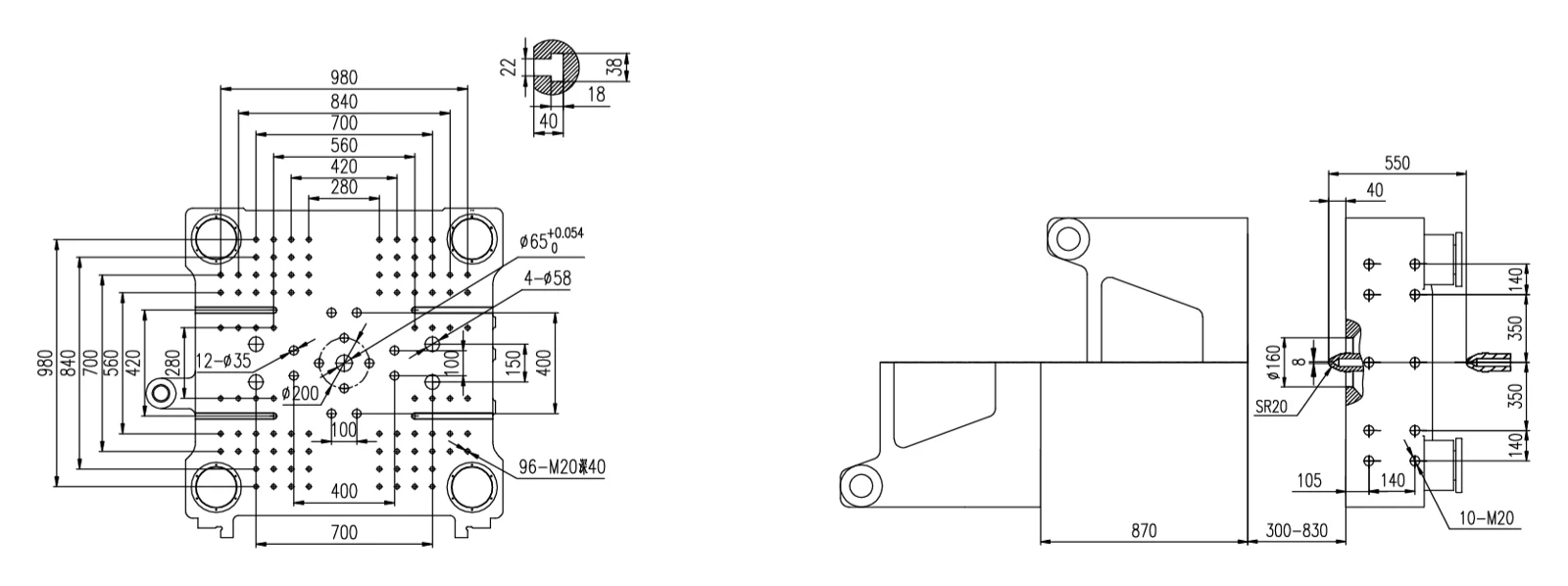
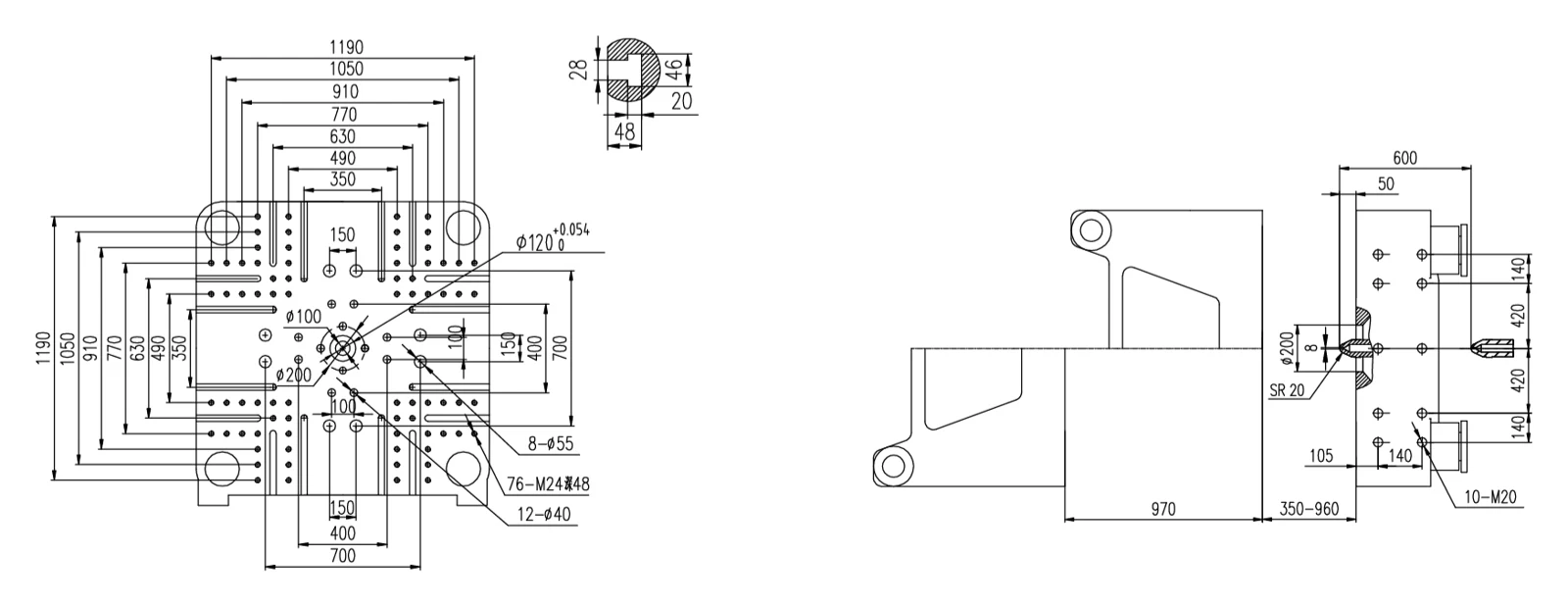
Mold mounting dimensions for each FCII model, from the catalog. Open a drawing to view it full size.
MACHINE–MOLD MATCHING
An existing or planned mold is assessed against the machine envelope, injection requirement, actions and target output. Unknown values can be reviewed after the initial enquiry.
Part geometry, weight, projected area and material establish the molding requirement.
Mold dimensions, thickness and weight are checked against platen, tie-bar and opening space.
Runner, cavities and shot requirement are matched to a suitable injection unit.
Ejection, core actions, connections and controls are confirmed from the mold information.
Review cooling, demolding and handling together to define the production target for the selected configuration.
Illustrative matching relationship
COMPLETE PRODUCTION LINE
Plan the FCII machine, the crate mold and optional auxiliaries together, with a mold trial before shipment and optional installation and training.
PROJECT EVIDENCE
Review the FCII series representative, fruit and vegetable crate formats, and the machine inspection reference. Project performance is confirmed against the selected machine, mold and trial conditions.
Customer project · Kenya
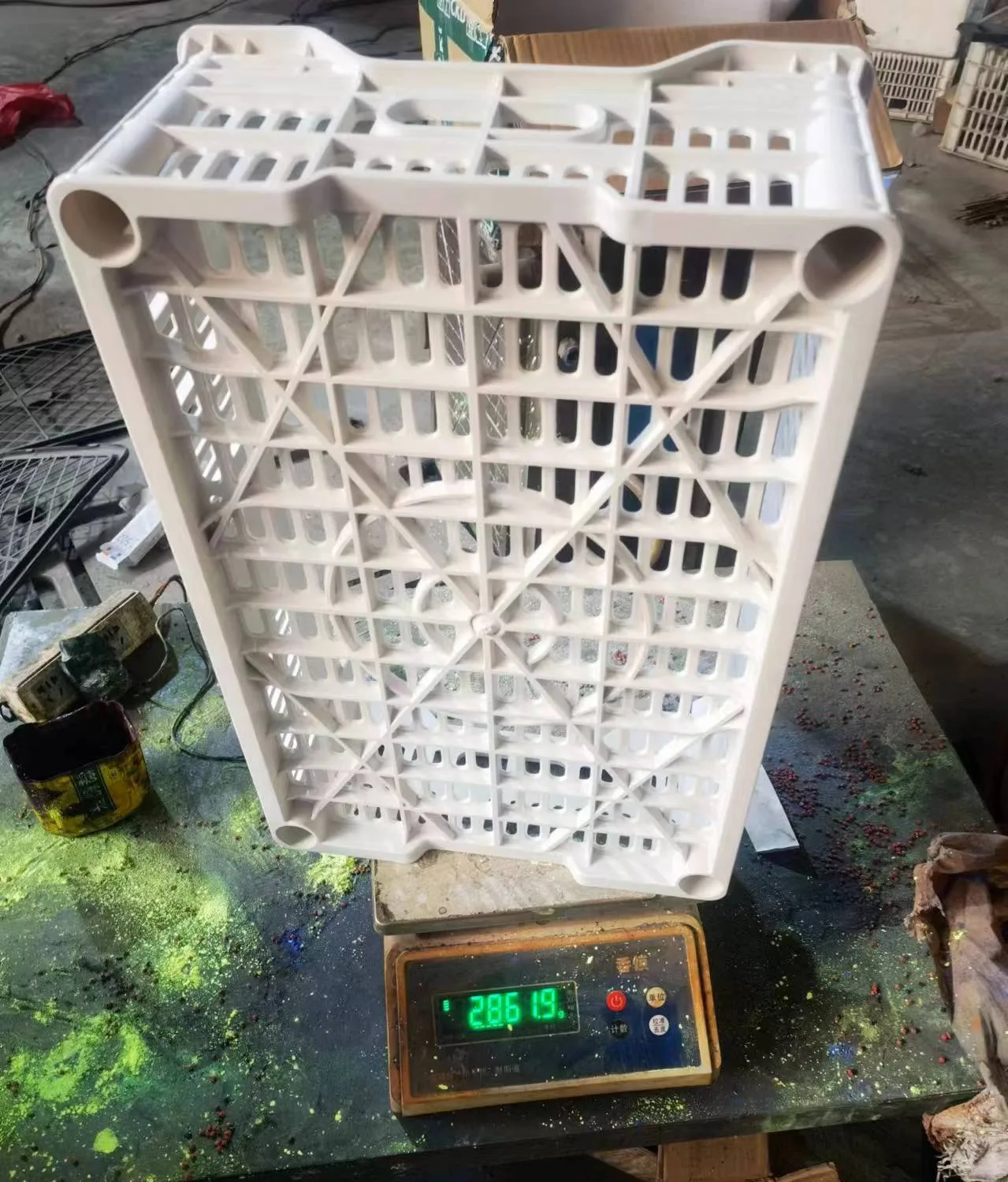
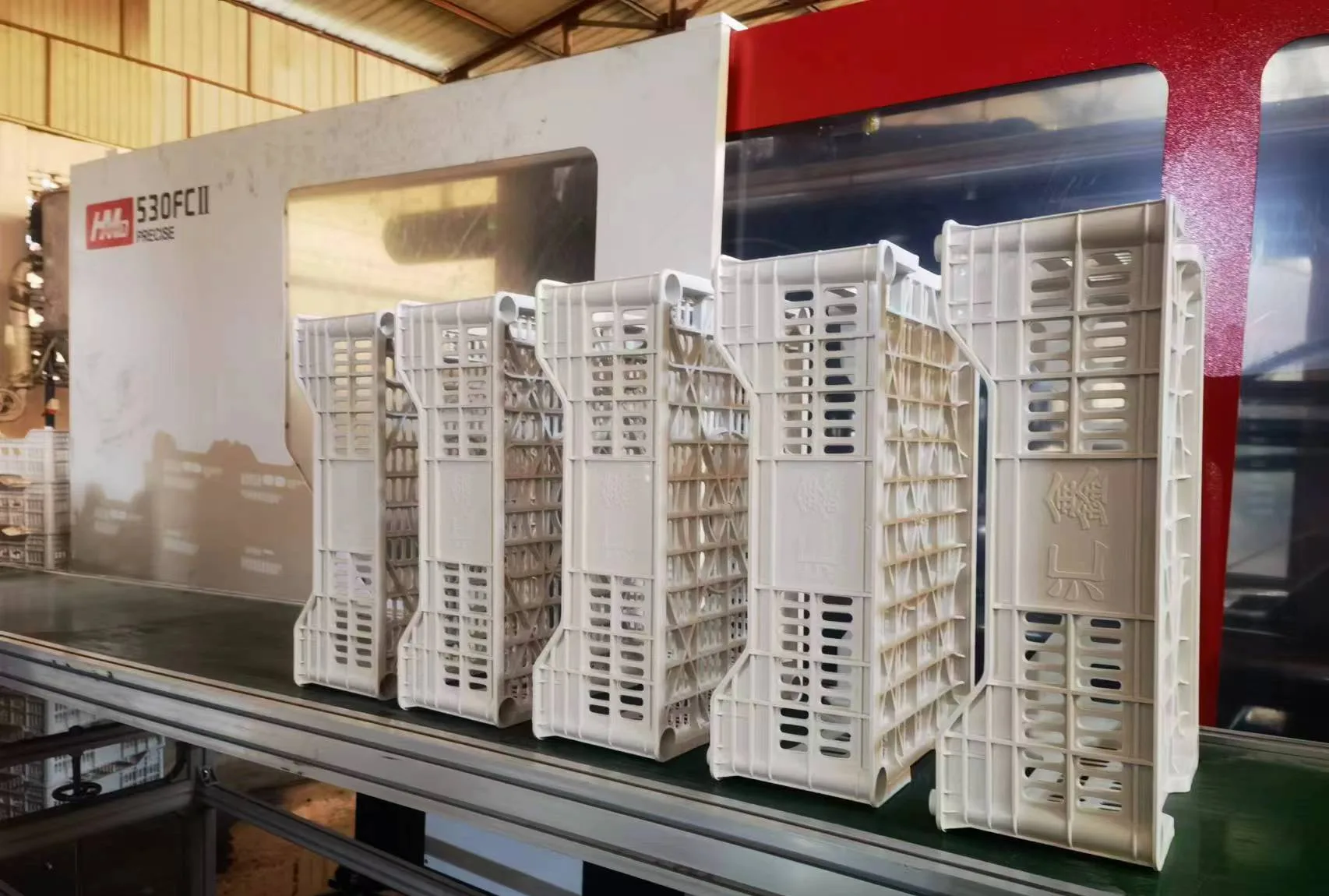
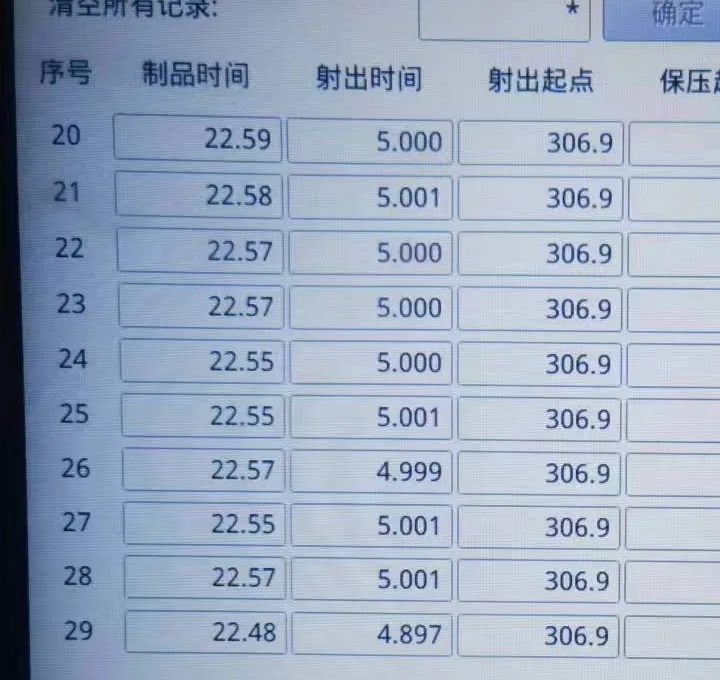
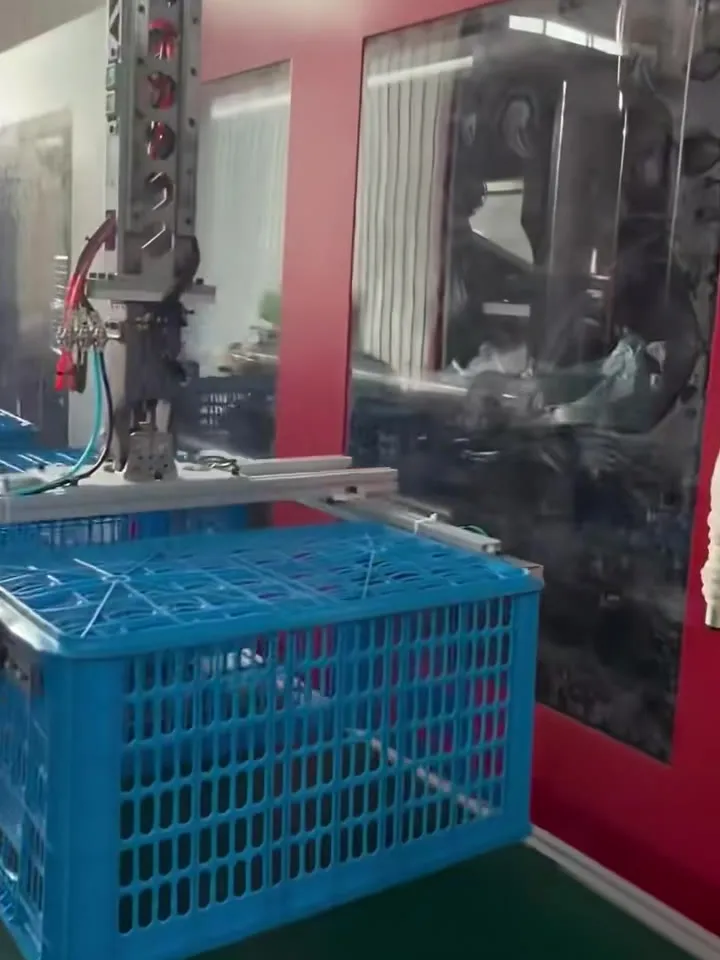
A fruit crate producer in Kenya molds a heavy-duty fruit crate on an HMD530FCII with a take-out robot. The machine log shows a steady cycle from shot to shot.
Customer project · Uzbekistan
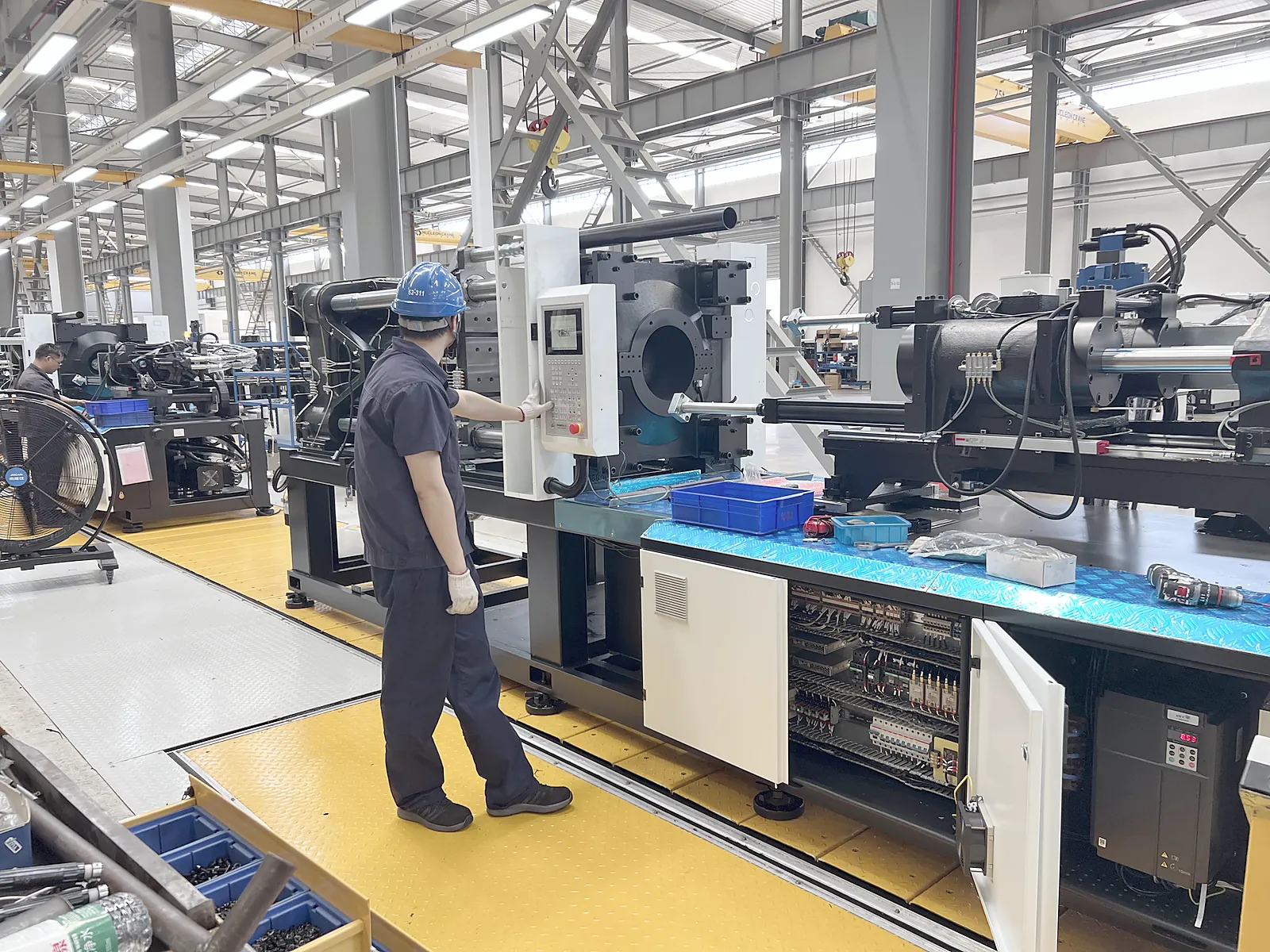
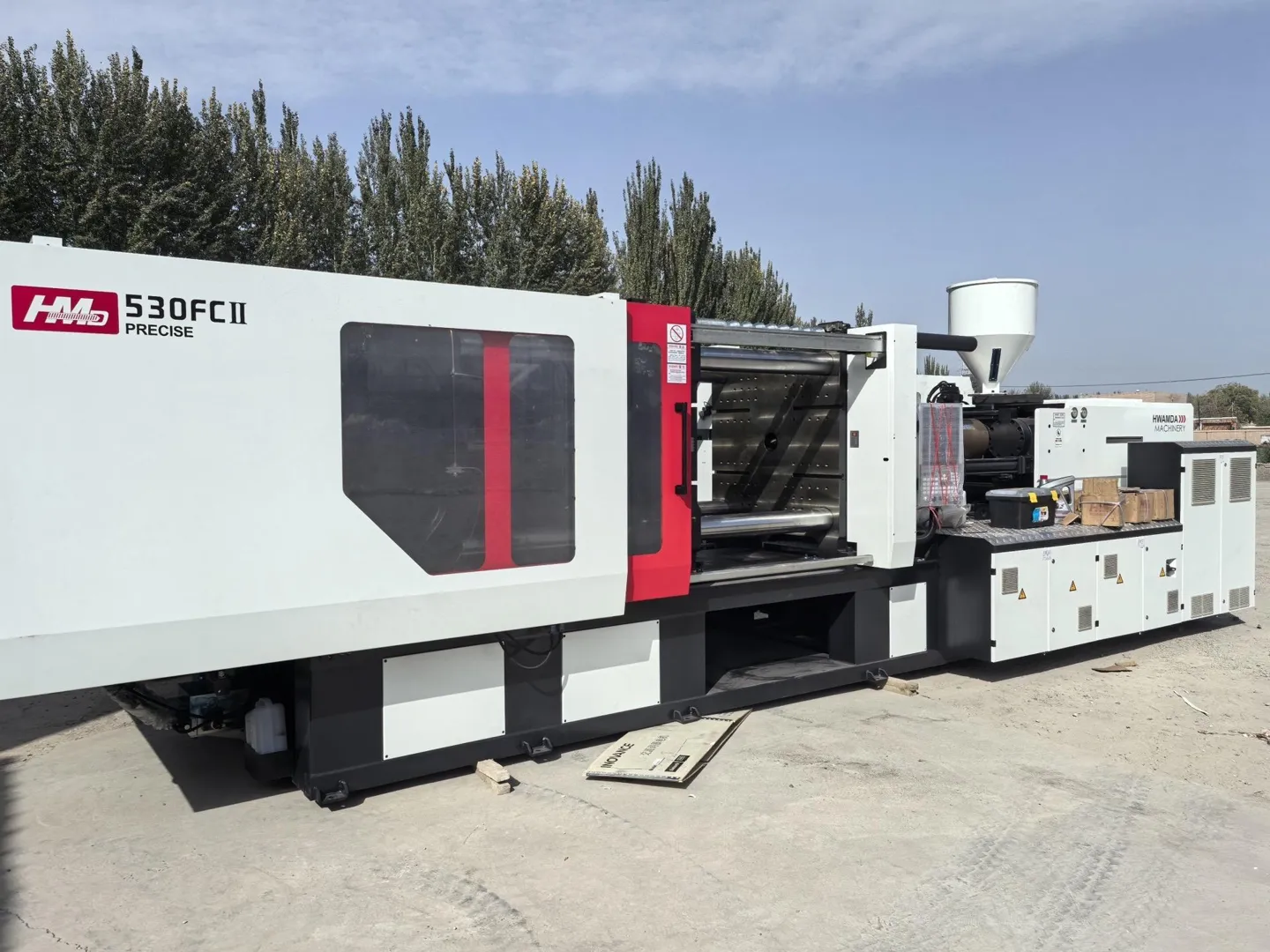
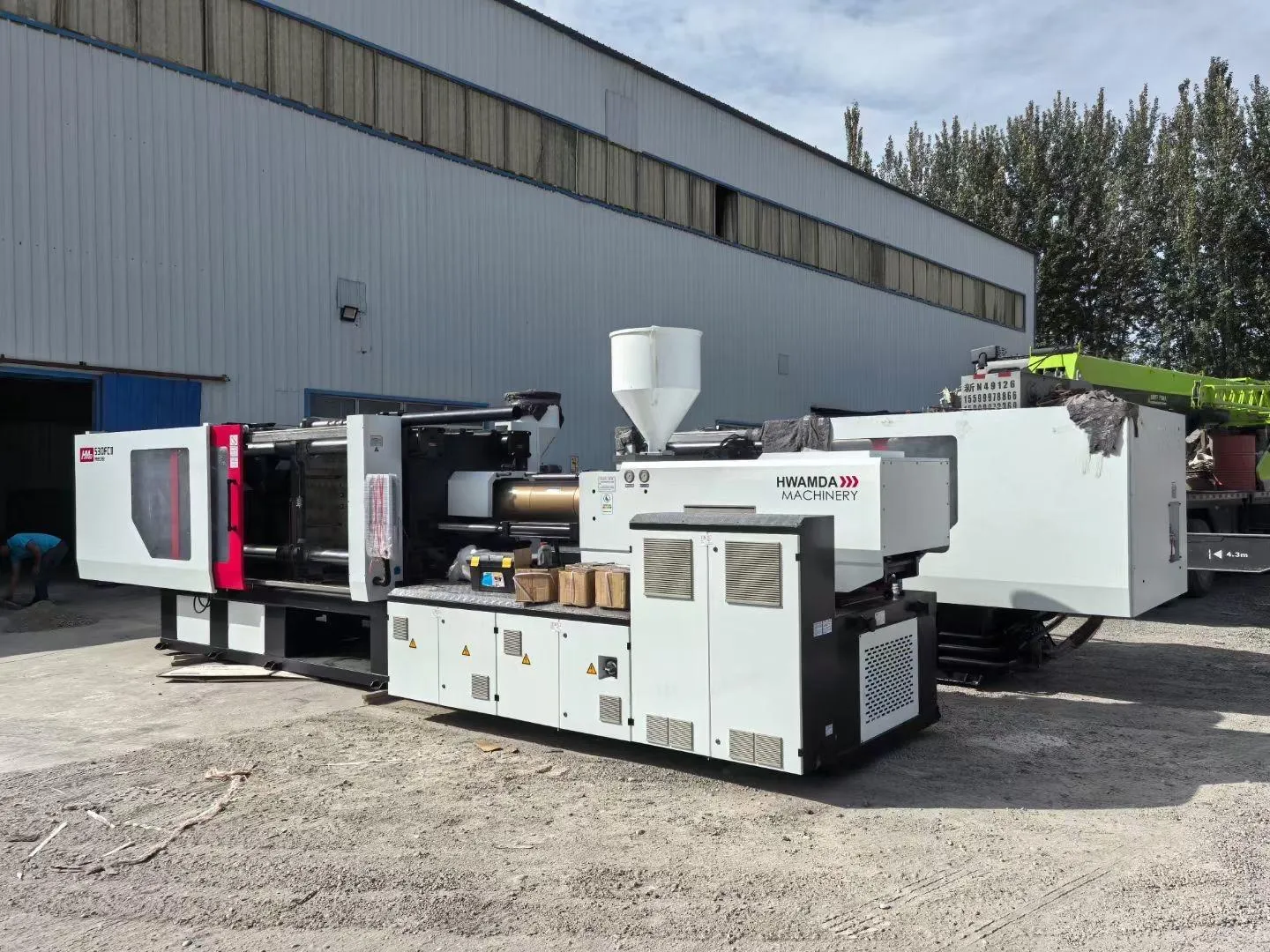
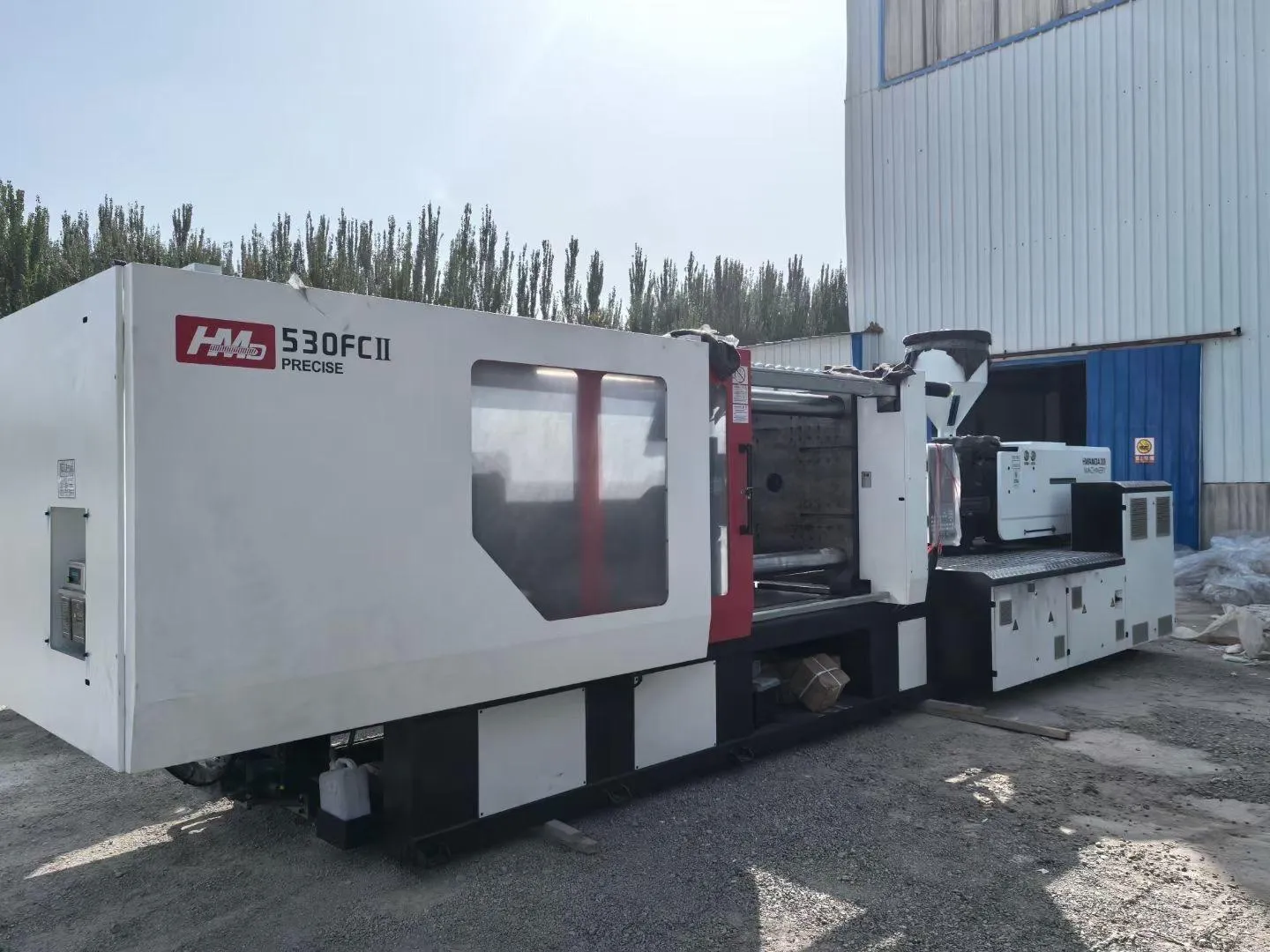
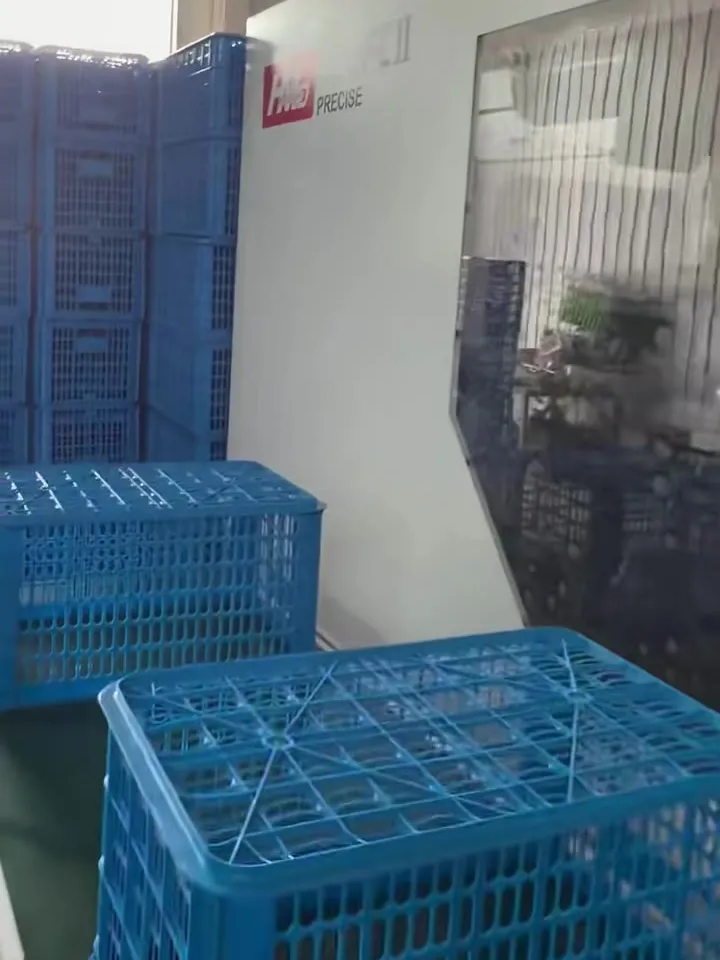
Two HMD530FCII crate injection molding machines were delivered to a crate producer in Uzbekistan and set in place at the plant.
Customer project · China
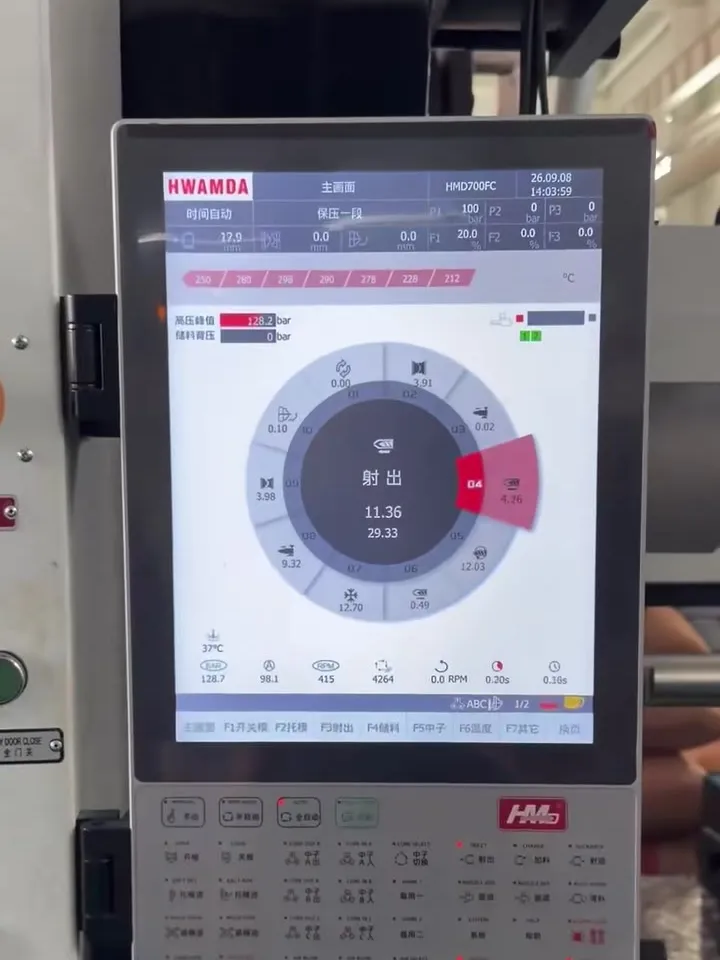
A crate producer in China runs a two-cavity fruit crate mold on an HMD700FCII. The machine makes two crates every 29.3 s, and a take-out robot places the finished crates.
MACHINE PRICE & PROJECT QUOTATION
Machine price depends on the selected FCII model and injection unit, mold scope, auxiliaries, automation, logistics and service requirements. Send the basics first; missing engineering details can be confirmed later.
Machine-only, machine + mold and complete-project scopes are quoted separately
Machine price and production output are defined for the confirmed configuration
Mold-only enquiries remain available through the same form
Optional drawings or photos can be attached for review
BUYER QUESTIONS
Yes. Crates, produce baskets and handled plastic baskets can be reviewed within the FCII series. The suitable model, injection unit and mold interfaces still depend on the individual product and project.
Start with a product drawing or clear photo, dimensions, weight, material, mold information if available, target output and preferred handling method. Unknown values do not prevent an initial enquiry.
It may be possible after the mold dimensions, weight, injection requirement, platen and tie-bar fit, ejector, actions, interfaces and sample information are checked. Compatibility is not assumed without that review.
Part geometry, resin, wall and rib layout, runner and cavities, filling and holding, mold cooling, ejection, part handling and the required quality window all affect a stable cycle.
Tie-bar spacing runs from 680 × 680 mm on the HMD320FCII to 970 × 930 mm on the HMD700FCII, and mold thickness from 250 mm up to 960 mm. The specification table lists opening stroke, daylight and ejector data for each model.
Theoretical injection weight runs from 1,306 g (PS) on the HMD320FCII to 3,890 g (PS) on the HMD700FCII. For PP and HDPE crates, the usable shot weight is calculated from the resin during model selection.
Auxiliary equipment is optional and selected for your project: loaders, dryers, color masterbatch dosers, granulators, take-out robots and conveyors. The quotation lists every item included.
Yes. Installation, commissioning and operator training are available as an optional service and are quoted with your project.
A machine quote covers the confirmed machine configuration and stated options. A complete-project quote can also include an agreed mold scope, auxiliaries, automation and services, with the supply scope clearly defined.
Yes. Choose “Mold Only” in the enquiry form. You do not need to purchase a machine to submit a mold requirement.